


More news on this day
As wildfires burn across parts of France and Spain during the peak European holiday season, many travelers are weighing whether to board flights, cancel trips, or reroute their journeys through the Mediterranean.
Get the latest news straight to your inbox!
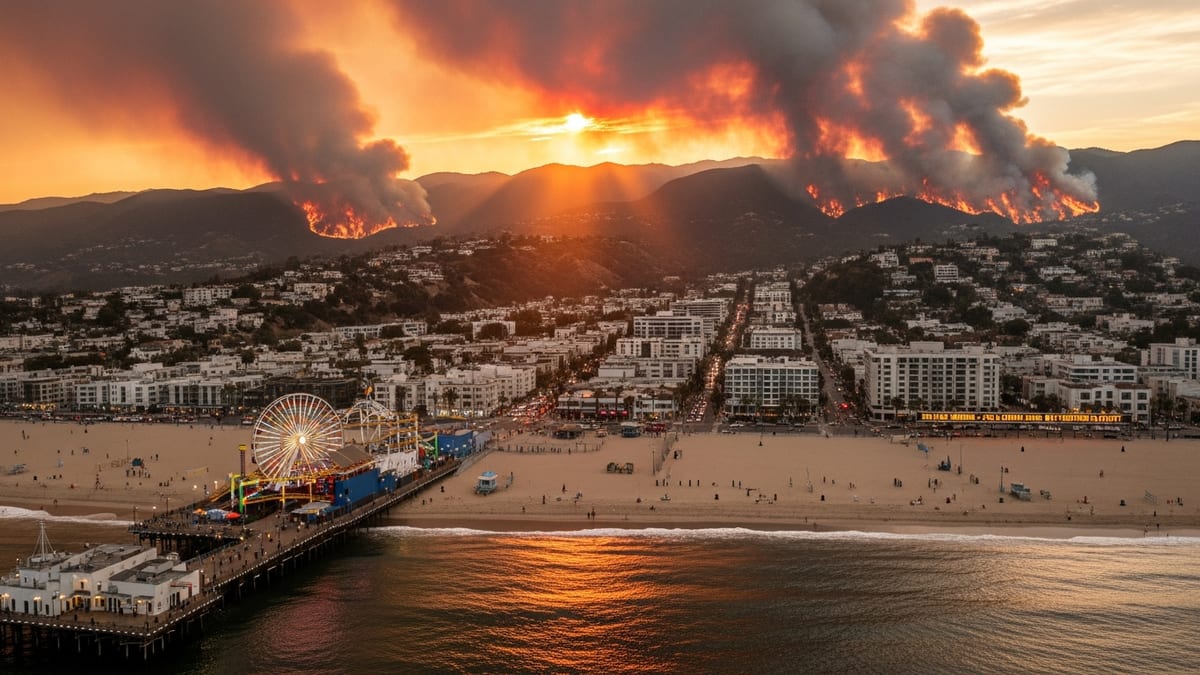
Where fires are burning and which regions are most affected
Current reports indicate that the most serious wildfire activity in France is concentrated in the southwest, particularly in the Gironde and Landes departments near Bordeaux and Arcachon Bay. Large forest fires there have burned areas described as several times the size of Paris, forced mass evacuations and prompted temporary closures of campsites, beaches and sections of road and rail. Some nearby coastal resorts have seen visitors moved out as a precaution, even where hotels and urban areas remain intact.
In Spain, the most intense blazes this season have been recorded in several interior and southern regions, with national authorities classifying hundreds of municipalities as affected by civil protection emergencies linked mainly to forest fires. The current heatwave is driving very high fire danger in parts of Andalusia, Castilla y León, Aragón, Catalonia and the Ebro valley, among other areas. Rural communities, natural parks and agricultural zones are seeing the greatest direct impacts, while major cities remain largely shielded from the flames themselves.
Heat and drought are amplifying the risk on both sides of the Pyrenees. France’s meteorological service has highlighted elevated wildfire danger across much of the country during this latest hot spell, while Spain’s national civil protection agency has warned that fire risk is expected to reach “extreme” levels in several regions as temperatures climb above 40 degrees Celsius. That means conditions can change quickly, with new blazes flaring and existing ones spreading when winds shift.
Despite dramatic images, it is important to recognize that the current fires are geographically concentrated. Large parts of France and Spain, from Paris and Lyon to Madrid, Valencia and much of the Atlantic and Mediterranean coasts, are operating more or less normally for visitors, even as emergency services focus on the hardest-hit zones.
Official travel advice: disruption, not blanket bans
For now, most major governments have not issued broad advisories against travel to either France or Spain. Recent updates from several foreign ministries and national travel-advice services acknowledge active wildfires and local states of emergency, but characterize the situation as regional rather than nationwide. Publicly available guidance generally urges travelers to monitor local news, follow instructions from civil protection agencies and avoid entering affected forest or rural areas.
Travel advisories for France specifically mention ongoing fires in the southwest and note that conditions may lead to sudden road closures, evacuations or restricted access to forests and coastal dunes. In Spain, updated advice points to the combination of extreme heat and wildfire risk and encourages visitors to check alerts issued by regional authorities, especially if planning hiking, camping or driving through inland areas where vegetation is dry.
Importantly for those wondering if their holidays are “canceled,” there is currently no widespread recommendation against visiting major cities, established coastal resorts or cultural centers in either country. Flights to Paris, Madrid, Barcelona and other major airports are largely operating on schedule, and many beach destinations remain open. The main concern flagged in official information is the possibility of localized disruption and the need for flexibility rather than a complete halt to leisure travel.
Travelers are, however, urged to review the fine print of their insurance policies, as some insurers treat wildfires as extraordinary events that may or may not trigger coverage for trip changes unless a formal “do not travel” notice is in place for the specific destination.
How transport and tourism are being affected on the ground
Transport networks in fire-hit zones are under particular pressure. In southwestern France, sections of rail line serving Bordeaux and onward routes toward the Atlantic coast and the Spanish border have experienced suspensions or slower services at various points as smoke, heat and firefighting operations affect tracks and power lines. Local media and traveler reports describe long delays and occasional cancellations on trains into and out of the worst-affected areas.
Road closures are common around active fire fronts, both in France and Spain. Authorities are blocking access to certain forest roads, mountain passes and rural highways to keep people away from danger and to give priority to emergency vehicles. Drivers heading to coastal resorts or crossing between the two countries by car may face diversions and should be prepared for extra travel time, especially in the late afternoon when conditions are hottest and winds can shift.
Within major cities and at key tourist hubs, tourism infrastructure remains largely functional. Airports in Paris, Madrid, Barcelona, Bilbao and other gateways are open, and there have been few reports of sustained flight disruption directly attributed to wildfire smoke. Hotels, museums and urban attractions in these cities are welcoming visitors, although some outdoor sites on the fringe of metropolitan areas, such as forest parks, viewpoints and historic monuments surrounded by scrubland, may impose temporary closures on high-risk days.
For businesses in affected regions, the impact is more severe. Reports from the Bordeaux area highlight how wineries, campsites and small tourism operators have seen bookings evaporate after evacuations and travel warnings targeting the immediate fire zones. Similar patterns are emerging in Spanish rural tourism, where country guesthouses and trekking operators in high-risk landscapes are facing cancellations, even where their properties remain undamaged.
Practical safety tips for travelers considering or continuing trips
For visitors already in France or Spain, or those due to arrive in the coming days, specialists recommend focusing on situational awareness and flexibility rather than panic. Before traveling between regions, it is advisable to check national meteorological and civil protection services for heat and fire danger maps, and to follow regional government channels for any evacuation orders or park closures. Local tourism offices and accommodation providers can often give the most up-to-date picture of what is open and what is off-limits nearby.
If planning to visit or drive through areas with active or recent fires, travelers should build extra time into their itineraries and have a fallback plan that avoids remote forest roads. Keeping fuel tanks topped up, carrying water, and avoiding travel during the hottest part of the day in rural areas can all reduce risk. Authorities in both countries repeatedly remind the public not to enter closed-off zones and to avoid any activity that could spark new fires, such as lighting barbecues or discarding cigarettes in dry vegetation.
Urban stays, city-to-city train journeys outside the southwestern France corridor, and visits to coastal resorts far from current burn areas are generally considered to carry low direct wildfire risk at present. However, visitors should still take heat warnings seriously. High temperatures can pose health risks for children, older travelers and those with underlying conditions, even far from the flames, so staying hydrated, seeking shade and limiting strenuous outdoor activity during peak heat hours remain basic precautions.
When it comes to bookings, flexible tickets and accommodation with generous cancellation or date-change policies are especially valuable this season. Travelers may wish to prioritize options that allow last-minute changes without heavy penalties, in case fires flare near their planned destination or a favorite hiking area is closed at short notice for safety reasons.
So, is it safe to travel to France and Spain right now?
Current conditions suggest that travel to France and Spain remains possible for most visitors, provided they avoid specific wildfire-affected zones and stay informed. The main tourist cities and many coastal regions are functioning, flights are largely operating, and there is no blanket call to stay away from either country. Instead, publicly available information frames the situation as a series of serious but localized emergencies unfolding against a backdrop of an otherwise busy summer season.
That said, some trips are clearly more exposed than others. Holidays focused on camping in forests, trekking in high-risk rural landscapes, or touring wine country near active fire fronts carry a higher likelihood of disruption or last-minute change. In those cases, would-be visitors might consider postponing, rerouting to less affected regions, or swapping remote stays for city breaks and well-connected coastal resorts where emergency access and alternative transport options are stronger.
Travelers who do go ahead with plans to visit France and Spain in the coming weeks should treat wildfire and heat information as essential pre-trip reading rather than background noise. Checking official alerts daily, maintaining flexible schedules and respecting local restrictions can significantly reduce personal risk while also easing pressure on emergency services. In an increasingly fire-prone Mediterranean climate, this kind of prepared and adaptable approach is likely to become part of the new normal for summer travel.