


More news on this day
As wildfires burn across parts of southwest France and central Spain in the middle of the European summer season, many travelers with imminent trips are asking whether it is still safe to go, and how far the fires are affecting airports, rail lines and popular holiday regions.
Get the latest news straight to your inbox!
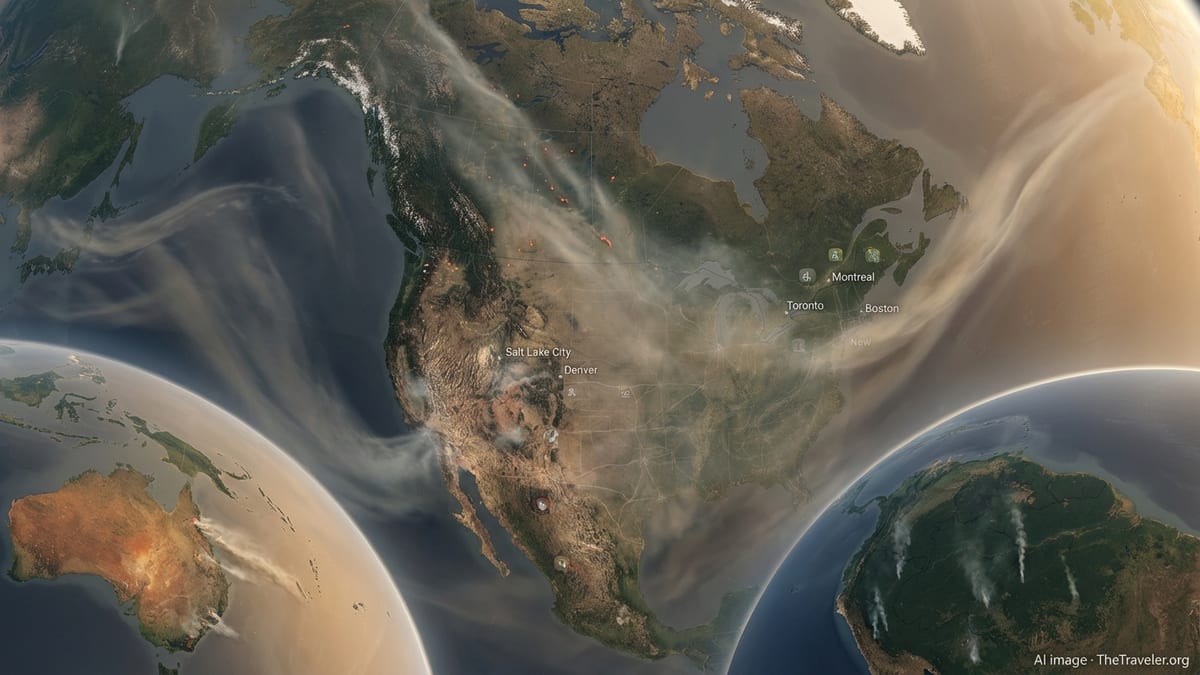
Where the Wildfires Are Burning in France and Spain
Recent coverage from international and local media indicates that the most serious fires in France are concentrated in the southwestern Gironde region, including forested areas west of Bordeaux and near Atlantic coast resorts such as Lège-Cap Ferret. Thousands of people have been evacuated from campsites and holiday homes as crews work to contain large blazes in pine forests close to beaches and lakes.
In Spain, reports highlight significant fires in parts of central and western regions, including areas near Madrid and several rural provinces across Castilla y León, Aragón and other interior communities. Spanish government updates describe dozens of municipalities designated as affected by civil protection emergencies since the spring, many of them related to forest fires in inland, mountainous and agricultural zones.
Despite the dramatic images, most major urban centers and many coastal destinations in both countries remain physically untouched by flames. Paris, Barcelona, Madrid, Seville, Valencia, the Costa del Sol and the Balearic Islands are, at the time of writing, operating largely as normal tourist hubs, although they may experience heat, haze or smoke on some days depending on wind patterns.
The most direct impact on visitors so far has been in heavily forested holiday corridors rather than city centers: Atlantic coast stretches in southwest France, rural camping and hiking areas in southern France, and inland Spanish provinces popular for nature tourism and road trips.
Government Travel Advice: Caution, Not a Blanket Halt
Travel advisories from several governments continue to rate both France and Spain as broadly safe destinations, while stressing heightened seasonal wildfire risk. Publicly available guidance for France notes that wildfires are affecting some regions and urges visitors to monitor local information and respect access restrictions to forests and nature reserves where fire danger is high.
For Spain, official advice emphasizes a prolonged heat episode across large parts of the country and warns that the fire danger level is extreme in many interior areas. Travelers are encouraged to stay informed through meteorological updates and civil protection alerts, and to avoid any activities that could accidentally spark new fires, such as lighting barbecues in unauthorized areas or discarding cigarette butts outdoors.
Importantly for travelers, no major government has issued a broad recommendation against travel to France or Spain as a whole. Instead, the messaging focuses on localized disruption near active fire zones, along with strong appeals for caution in rural and wooded landscapes. Visitors are advised to check regional advisories and transport updates shortly before travel, especially if they plan to drive through fire-affected departments in France or inland Spanish provinces.
In practice, this means most holidaymakers can still proceed with trips, but should be prepared to adapt itineraries if a local alert leads to road closures, campground evacuations or temporary restrictions on access to parks and hiking trails.
How Wildfires Are Affecting Transport and Tourism Operations
Transport networks in France and Spain are generally functioning, but there have been targeted disruptions. In southwest France, recent reporting describes sections of rail services towards Bordeaux and the Atlantic coast being reduced or rerouted at times when smoke, heat or firefighting activity made it unsafe to operate trains through certain stretches of track. Some local roads near fire fronts have been closed to nonresidents to keep access clear for emergency vehicles.
Spain has experienced temporary road closures and detours around inland fire zones, especially near smaller towns and rural highways. In areas where villages were evacuated or declared disaster zones, local businesses catering to visitors, including rural guesthouses and activity providers, have seen cancellations and in some cases physical damage. However, major motorways and high-speed rail lines linking principal cities remain open, and flights into key Spanish and French airports continue largely on schedule.
Tourism bodies in both countries continue to promote summer travel, pointing to strong international arrival figures and hotel occupancy data that suggest the broader tourism industry remains resilient. At the same time, operators in affected regions are urging visitors to stay away from active fire perimeters and to respect any instructions from local services about evacuation zones and restricted access to forests.
Travelers with bookings in specific rural or coastal areas close to the fires may find that individual hotels, campsites or holiday parks are closed temporarily, even if the region itself has not been fully evacuated. In those cases, flexible ticket policies and travel insurance with disruption cover can be crucial in recovering costs or rearranging plans at short notice.
Health, Safety and Air Quality Considerations
Beyond the direct threat of flames, wildfires pose risks related to heat, smoke and air quality that can affect travelers even at some distance from the burn area. Public health information in Spain highlights soaring daytime temperatures across much of the peninsula, with forecasts above 40 degrees Celsius in several river valleys and interior regions and warnings about increased fire risk and heat stress.
French environmental and meteorological agencies describe a rising level of forest fire danger, particularly in heavily wooded regions of southern and western France. During peak risk periods, regional authorities have restricted access to certain forest massifs and advised against hiking or picnicking in high-risk zones. Visitors planning outdoor activities should verify whether their chosen trails or parks are open on the day of use, and avoid entering closed areas even if they appear calm.
Smoke can travel far beyond active fire lines, occasionally affecting visibility and air quality in popular tourist zones. Travelers with respiratory conditions, heart disease, or other vulnerabilities may be more sensitive to smoky conditions and extreme heat. Health advisories recommend limiting strenuous outdoor activity during heatwaves, seeking air-conditioned environments when possible, drinking plenty of water and paying attention to any local alerts about poor air quality.
While city hospitals and medical services in France and Spain are well equipped, visitors should carry any regular medications in hand luggage, ensure their travel insurance covers medical treatment, and familiarize themselves with local emergency numbers before arrival.
Practical Advice for Travelers With Upcoming Trips
For travelers due to visit France or Spain in the coming days and weeks, the core message from publicly available guidance is to stay informed, stay flexible and stay away from active fire zones. Before departure, it is sensible to review travel advisories issued by your home country, check regional government or civil protection updates for your specific destination, and look at airline or rail operator notices for any weather or fire-related schedule changes.
Once on the ground, travelers should monitor local news and follow signage indicating fire risk levels around forests and nature parks. Many municipalities use color-coded systems to communicate daily danger levels and may close hiking routes or picnic areas during periods of extreme risk. Respecting these restrictions not only protects visitors but also eases pressure on firefighting and emergency services.
Those with itineraries that include long driving routes through rural France or interior Spain may wish to build extra travel time into their plans, in case they need to take detours around closed roads. Booking accommodations with flexible cancellation policies, and considering travel insurance that covers natural hazard disruption, can provide additional reassurance if conditions change quickly.
For now, the majority of France and Spain remains open to tourism, with iconic cities, cultural sites and many coastal resorts welcoming visitors. However, the current wildfire season is a reminder that summer travel in southern Europe increasingly requires closer attention to local conditions, particularly for travelers drawn to forests, mountains and off-the-beaten-path rural landscapes.