


More news on this day
UK holidaymakers face some of the highest levels of disruption on record, as fresh data singles out the airlines and routes most likely to suffer lengthy delays and raises fresh questions about how many passengers are missing out on compensation of up to £350.
Get the latest news straight to your inbox!
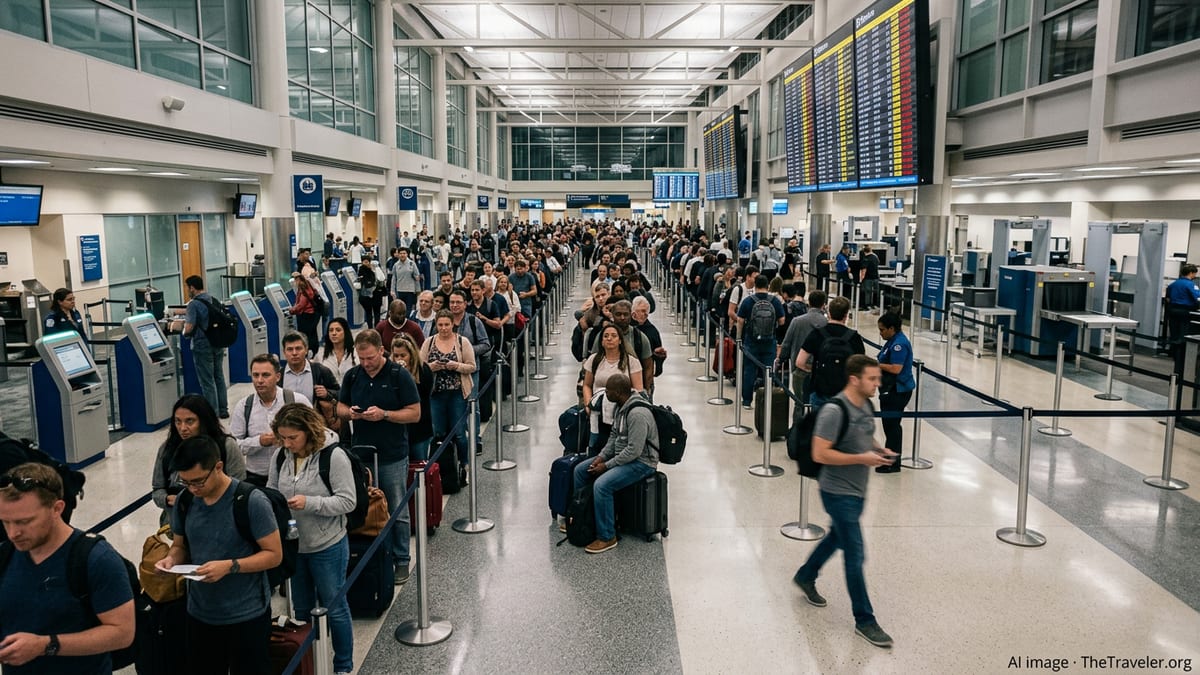
New figures spotlight the worst performers for UK flight delays
Recent disruption reports and industry briefings indicate that UK departures are experiencing some of the longest delays seen in years, with certain airlines repeatedly performing below the market average. Analysis based on Civil Aviation Authority statistics and consumer reports suggests that some long haul and leisure-focused carriers have particularly poor punctuality records from UK airports.
Coverage of performance league tables compiled from official data has repeatedly highlighted a handful of names. In previous annual snapshots, carriers such as Air India and several European network airlines have featured near the bottom of rankings for on-time departures from UK airports, while some regional and low-cost operators have performed significantly better. The gap between the best and worst performers often stretches to well over half an hour in average delay time.
Although individual rankings fluctuate year by year, the pattern points to systemic congestion on specific long haul routes, as well as recurrent scheduling and resourcing pressures at busy hubs such as London Heathrow, London Gatwick and Manchester. Travel analysts say that this combination means certain routes are far more prone to late arrivals, missed connections and overnight disruption than others.
Consumer advocates argue that this picture underlines the importance of passengers checking both the historical punctuality of their chosen airline and their rights to redress when things go wrong, particularly on cross-border journeys where compensation rules are more generous.
Routes where delays hit hardest
Published disruption reports for 2025 highlight that not all routes are equal when it comes to delays. Long haul services connecting UK airports with destinations in South Asia, North America and parts of the Middle East are frequently singled out for above-average disruption, partly because they operate at or near airport curfew limits and are exposed to knock-on effects from congestion earlier in the day.
Some leisure routes from UK regional airports into southern Europe also see a high share of arrivals more than one hour late during peak holiday periods. These services often run on tight turnaround times, so an early-morning delay can ripple through the schedule and leave later flights arriving several hours behind time.
Industry monitoring shows that even relatively short intra-European sectors can generate severe disruption for passengers if they form part of a longer itinerary. A delay on a feeder leg into a hub, for example from a UK regional airport into a major European base, can trigger missed connections and overnight stays, pushing total arrival delays beyond the three-hour threshold that matters for compensation.
Travel experts note that the worst-affected routes change over time as airlines adjust their schedules, fleets and staffing levels. However, long sectors that are consistently heavily booked and that operate from slot-constrained airports remain among the most exposed to extended delays.
When a delay could be worth £350 under UK and EU rules
For many UK travellers, the key question is when a delay crosses the line from inconvenience into a legal right to cash. Under retained European-style rules known as UK261, passengers on flights departing from a UK airport, or arriving into the UK on a UK or European carrier, can be entitled to fixed-sum compensation if they arrive at their final destination at least three hours late and the disruption was within the airline’s control.
Official guidance and parliamentary briefing material explain that the amount depends on the distance of the flight and the length of the delay. For medium haul services between 1,500 and 3,500 kilometres, such as many routes between the UK and North Africa or parts of eastern and southern Europe, the standard compensation level is £350 per person when arrival is three hours or more behind schedule.
Shorter flights under 1,500 kilometres attract a lower fixed amount, typically £220, while longer flights over 3,500 kilometres can generate payments up to around £520 for very long delays. Similar banded payments exist under the parallel EU261 framework for flights departing from European Union airports, though the figures there are quoted in euros rather than pounds.
These regimes treat long delays in a similar way to cancellations. The key test is the delay at arrival, not the scheduled departure time. A late pushback from the gate that is largely made up in the air, for example, will not normally qualify if the aircraft still reaches the final destination within three hours of the timetable.
What does and does not qualify as a compensatable delay
Compensation under UK261 and EU261 is not automatic for every late flight. Passenger rights bodies and official summaries of the regulations stress that airlines only have to pay when the cause of the delay is within their control, such as technical faults that are part of normal operations, crew rostering issues, aircraft rotation problems or schedule planning.
Delays attributed to so-called extraordinary circumstances are treated differently. Events such as severe weather, air traffic control strikes, security incidents or sudden runway closures typically fall outside the airline’s liability, provided the carrier can demonstrate that it took reasonable steps to avoid or mitigate the disruption. In those cases, airlines must still provide care and assistance, including meals and accommodation when necessary, but they do not have to pay the fixed cash sums.
The rules also recognise situations where an airline offers an alternative routing that gets passengers to their destination with a shorter delay. On some long haul flights over 3,500 kilometres, case law has allowed carriers to reduce compensation by 50 per cent if the traveller accepts a rerouted itinerary that limits the final arrival delay to under four hours.
Because responsibility can be shared between multiple airlines on a single ticket, especially on codeshares, determining who should pay compensation can be complex. Guidance from consumer organisations recommends that passengers focus on the operating carrier for the disrupted leg and be prepared to provide booking references, boarding passes and evidence of the actual arrival time when making a claim.
How to check if you may be owed money for a past delay
With watchdogs estimating that UK travellers have claimed billions of pounds in flight compensation over recent years, there are growing concerns that many more passengers simply do not realise they qualify. Data from compensation specialists, consumer groups and law firms indicates that large numbers of travellers either do not submit claims or abandon them at the first refusal.
Passengers can usually check their eligibility by confirming three key elements: whether their journey falls under UK261 or EU261 based on the departure and arrival airports and the airline’s home base, the exact delay at the final destination, and whether the cause cited by the airline genuinely counts as extraordinary. Publicly available tools that track historical flight data can help verify real arrival times, while official and consumer guidance materials explain how specific scenarios are typically treated.
Travellers are entitled to claim directly with the airline using its online forms or customer services channels, and many cases are resolved without the need for legal support. If a claim is rejected and the passenger believes this is unfair, they can escalate to an alternative dispute resolution body or a small claims process, depending on the jurisdiction and carrier.
Specialists caution that third party claims firms, while sometimes helpful, typically charge a significant share of any payout. For straightforward cases where the rules clearly apply and documentation is available, making a self-filed claim can allow passengers to keep the full £350 or other applicable amount they are entitled to for a lengthy delay.