


More news on this day
U.S. air travel faced widespread disruption after a telecommunications failure tied to an air-traffic facility in the Northeast forced ground stops and throttled arrivals, leaving at least 1,358 flights delayed and 85 canceled in widely cited tracking snapshots as delays cascaded across major hubs.
Get the latest news straight to your inbox!
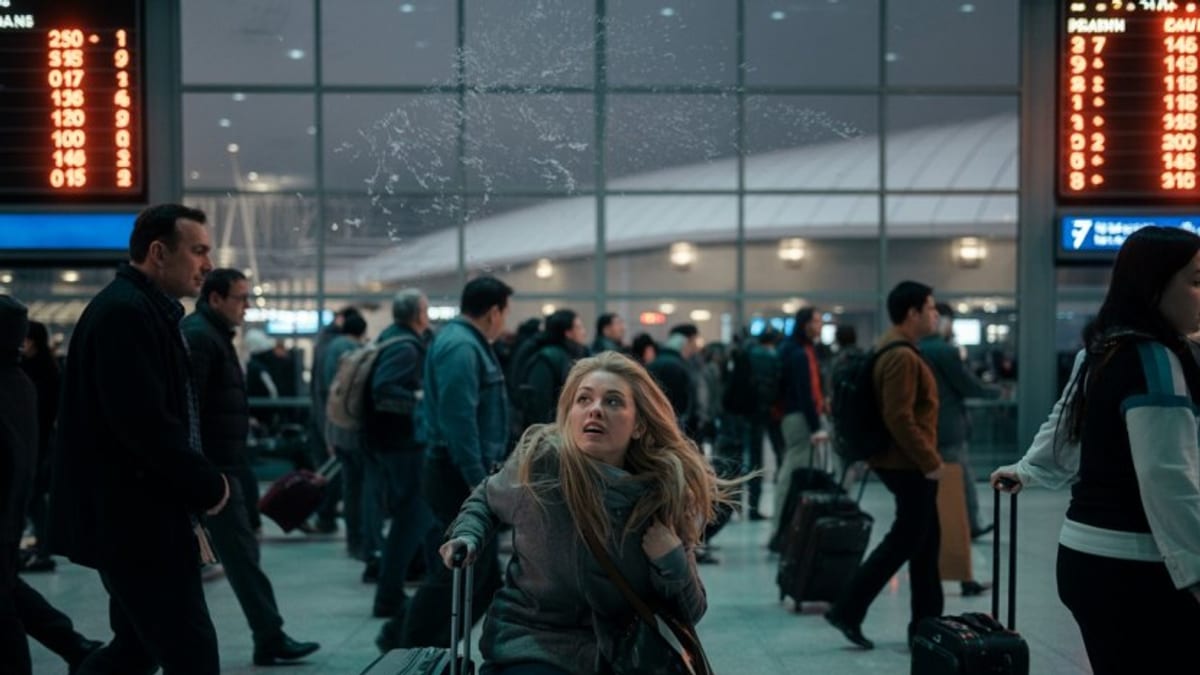
What triggered the disruptions across the Northeast corridor
Published coverage indicates the disruption centered on a key air-traffic control facility serving the Philadelphia area, where a primary communications circuit failed and a backup fiber connection was also unavailable after a construction-related cut. The combination interrupted radar and communications for a period, prompting traffic management measures that quickly expanded beyond a single airport.
The ripple effects were amplified by the geography of the region: Newark, New York City-area airports, and Philadelphia sit inside one of the country’s most tightly scheduled air corridors. When inbound flows are paused or metered, aircraft and crews end up out of position within hours, which can turn a localized outage into a nationwide schedule reset.
Reports also show public disagreement over the exact attribution for the fiber cut, with competing accounts pointing to rail-related construction activity and contractors working on or near New Jersey transit infrastructure. Regardless of attribution, the operational result was the same: a prolonged interruption followed by a lengthy recovery period as flight banks and connections were rebuilt.
Where the impact was most visible: Newark, Philly, NYC, and Boston
Newark Liberty International Airport absorbed some of the sharpest immediate consequences, with published reporting describing long stretches where commercial arrivals were effectively halted. Newark’s role as a major hub for connecting itineraries meant missed onward flights quickly turned into rebooking queues, hotel searches, and tight seat availability on later departures.
Philadelphia International Airport also saw heavy cancellations and arrival delays, according to multiple reports tracking the outage’s impact on the region’s approach and departure control. Even after operations began resuming, the lag between “flights restarting” and “schedules returning to normal” remained significant, a common pattern after ground stops.
In New York City, LaGuardia and JFK were caught in the same system-wide constraint. Even flights that were not heading to the affected airports often experienced knock-on delays because aircraft were held at departure points to manage congestion into the Northeast.
Boston Logan International Airport also saw substantial delays and cancellations Monday, with local coverage attributing much of the disruption to the same Northeast outage and its downstream scheduling effects. That created a particularly challenging situation for travelers trying to reroute around New York or New Jersey by swapping to Boston-area flights.
Delay and cancellation counts: why numbers can change hour by hour
Flight-tracking totals such as “1,358 delayed and 85 canceled” are often captured as rolling snapshots, which can move quickly as airlines adjust schedules, issue preemptive cancellations, and re-time departures. By Tuesday, publicly available tracking dashboards were showing higher national totals for the day, reflecting the broader system as recovery continued and new weather or volume constraints emerged elsewhere.
It is also common for the same disruption to show up differently depending on the tracking definition used, such as “within, into, or out of the United States” versus total global airline operations, or whether regional affiliates are counted separately. Travelers trying to understand conditions for a specific itinerary typically get the most actionable picture by checking the status of the exact flight number and the departure airport’s traffic management status.
FAA status pages and air-traffic planning updates can show whether ground stops or delay programs are active, but they do not substitute for airline-specific information about aircraft swaps, crew legality, and gate availability. Those operational constraints frequently drive late-night cancellations even after the original disruption is resolved.
Airline waivers and what rebooking options travelers may have
In response to the Northeast outage, multiple carriers posted travel waivers covering affected airports and travel dates in the September 21 to September 22, 2026 window, according to publicly available airline advisories. These waivers typically allow eligible customers to change dates or routes without a change fee, but the exact conditions can vary by airline and fare type.
For many travelers, the most effective tactic during a regional air-traffic constraint is to rebook early to the first available flight the next day, even if it departs from a different airport or includes a longer connection. Seats on nonstop options can disappear quickly after a major hub is throttled, and later recovery flights can remain vulnerable to further schedule compression.
Travelers who must arrive the same day often look to rail or car as a fallback for short Northeast corridors. However, because the disruption involved infrastructure and communications issues linked to rail activity in published coverage, travelers were also watching for secondary transportation impacts and advising flexibility on timing.
Passenger rights and compensation depend heavily on the cause classification. When delays are driven by air-traffic control constraints or other factors outside an airline’s control, U.S. rules generally do not require cash compensation, but airline-specific commitments on meals, hotels, and rebooking can still apply depending on the situation and published carrier policies.
What to watch next as airports work through the backlog
Even after repairs and resumptions are reported, recovery can take a full day or more because aircraft and crews are often stranded away from their planned positions. That can lead to a second wave of morning delays as airlines attempt to rebuild hubs, reposition planes, and accommodate passengers rebooked from the prior day.
Travelers flying Tuesday and Wednesday through Newark, Philadelphia, and the New York City airports may see lingering irregular operations, especially during peak afternoon departure banks. Monitoring airport-specific status pages, airline app alerts, and gate assignments before leaving for the airport can help reduce time spent waiting in terminals.
For travelers making tight connections in the Northeast, the most useful planning assumption is that one delay can compound into missed onward flights. Building in extra connection time, avoiding the last flight of the day when possible, and choosing itineraries with more frequent backup options can reduce the impact when disruptions cascade across the region.