


More news on this day
New York City has long doubled as Spider-Man’s unofficial co-star, and a 24-hour Spider-Man-inspired route now offers fans a way to experience the city much like Peter Parker does, from quiet Queens blocks to the bright canyons of Midtown.
Get the latest news straight to your inbox!
Morning in Queens: Walking Peter Parker’s Home Turf
Any Spider-Man-themed day in New York logically starts in Queens, the borough that has shaped Peter Parker’s story across decades of comics and multiple film adaptations. Forest Hills, in particular, is frequently cited in published histories and fan guides as Peter’s canonical neighborhood, with tree-lined streets and brick houses that mirror the modest family life depicted for Aunt May and Uncle Ben. Visitors arriving early can capture some of that atmosphere by wandering residential blocks and small commercial corridors before the city fully wakes up.
Forest Hills and nearby neighborhoods such as Sunnyside and Woodside have been repeatedly referenced in coverage of Spider-Man’s film locations. Guides to the 2002 Spider-Man production point to residential streets that substituted for the Parker home, while film fans have traced the now-familiar shot of Peter racing to catch a school bus to real intersections along Queens Boulevard. Although precise addresses may differ between adaptations, the mix of low-rise housing, subway access and busy thoroughfares gives today’s traveler a sense of why this part of Queens has remained central to Peter’s backstory.
From Forest Hills, a short ride on the E, F, M or R subway lines mirrors Peter’s own commute into Manhattan highlighted in both comics commentary and fan discussions. The journey offers a practical transition, carrying visitors from the quieter borough setting that shaped Peter’s early years into the dense urban grid where Spider-Man spends much of his time. Watching the skyline rise from the subway window provides a fitting visual cue for the shift from Peter’s everyday life to the larger-than-life stakes of his superhero identity.
Late Morning: Midtown Skyscrapers and Daily Bugle Vistas
Emerging in Midtown places visitors in the vertical landscape most associated with Spider-Man’s web-swinging. Publicly available production notes and film-location maps identify several towers and avenues in this area that have doubled as backdrops for Spider-Man’s acrobatics. Among the best-known is the triangular Flatiron Building, long cited as the exterior reference for the Daily Bugle newspaper where Peter famously sells his photographs. Standing at the busy intersection around the wedge-shaped tower gives fans a sense of the hectic environment implied in newsroom scenes.
From here, walking north along Fifth Avenue traces a route that production histories link to sequences of Spider-Man moving between Midtown landmarks. The corridor mixes historic facades with newer glass towers, recreating the blend of old and new that artists have sketched for decades in Spider-Man comics. Even without formal signage marking Marvel locations, the combination of tight street canyons and overhead steel provides the sort of architectural playground often illustrated for Spider-Man’s patrols.
Nearby, Rockefeller Center appears in accounts of the 2002 film as the setting for a rooftop garden where Spider-Man brings Mary Jane to safety. While current access rules vary for observation decks and terraces, visiting one of Midtown’s public viewing platforms during late morning offers a comparable vantage point, with sweeping views across the grid. Looking out over the streets from this height underscores how closely Spider-Man’s world is intertwined with the real topography of Manhattan.
Afternoon: Bridges, Trams and High-Stakes Crossings
After lunch in Midtown, the route turns to the transit infrastructure that has provided dramatic backdrops across Spider-Man media. The Queensboro Bridge, which spans the East River between Midtown and Queens, is frequently mentioned in film retrospectives as the site of a major confrontation in the early 2000s franchise. While the cinematic showdown between Spider-Man, a tram car and a falling civilian is fiction, walking the pedestrian path today offers expansive views over the river and back toward the skyscrapers where much of the character’s action unfolds.
South of the bridge, the Roosevelt Island Tram has also become part of Spider-Man sightseeing suggestions compiled by fan communities and travel forums. The aerial cable cars glide between Manhattan and Roosevelt Island, offering a perspective on the city that echoes the sweeping camera moves used in Spider-Man films. A mid-afternoon tram ride, timed for clear weather if possible, lets visitors experience a slower, more observational version of the high-altitude travel that defines Spider-Man’s mode of movement.
These crossings highlight how central New York’s infrastructure is to Spider-Man’s storytelling. Interviews and essays on the character’s development often stress that bridges, elevated tracks and riverfronts are not just scenic backdrops but narrative tools to raise the stakes of rescues and confrontations. For today’s traveler, tracing those structures on foot or by tram provides both cinematic views and a greater appreciation of how the city’s engineering has shaped superhero imagery.
Evening: Midtown Lights and Iconic Street Corners
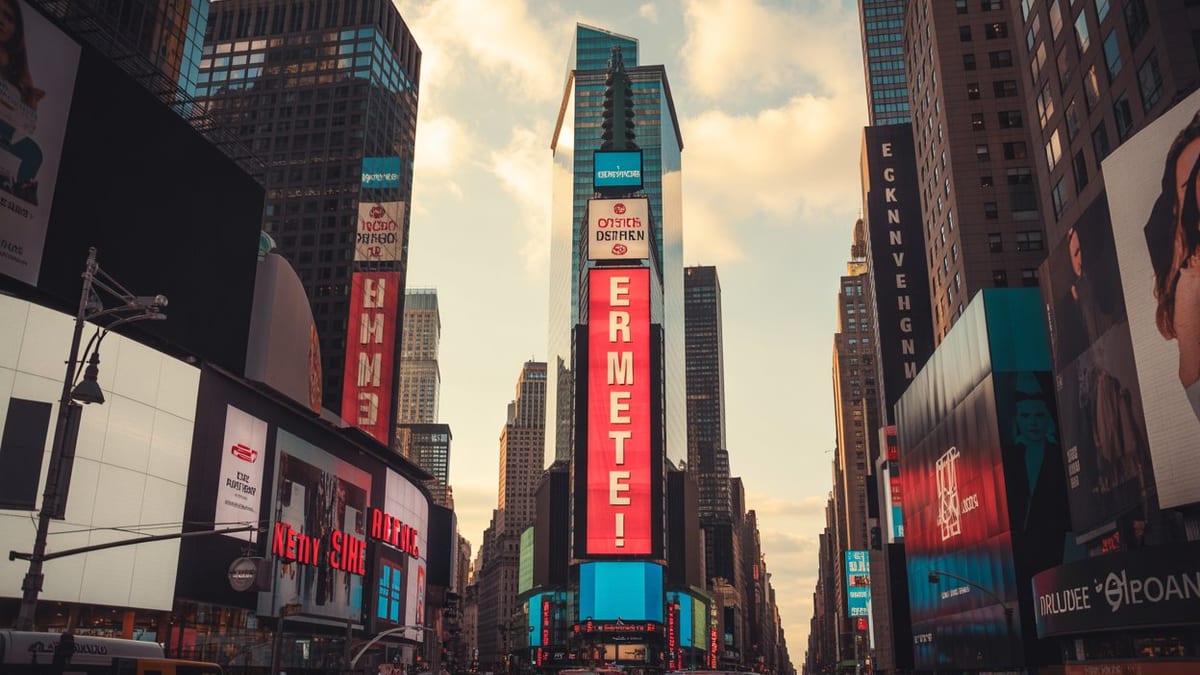
As daylight fades, the route returns to Manhattan for an evening immersed in neon and marquees. Many of the sweeping shots used in modern Spider-Man films and other Marvel productions feature the glow of Times Square and surrounding commercial corridors. Entertainment coverage has often noted that second-unit crews capture these vistas to underscore the sense of scale and density that defines Marvel’s New York. Walking through these blocks at dusk replicates the crowded, illuminated environment where Spider-Man is frequently shown perching on billboards or monitoring street-level troubles.
From Times Square, heading south along Broadway links several intersections recognizable from more recent Spider-Man adaptations and crossover films. While specific storefronts and signs evolve quickly, the overall effect of fast-moving traffic, flashing screens and late-night pedestrians remains consistent with what appears on screen. Travelers can pause along the way at plazas and pedestrianized sections that offer clear upward views into the surrounding canyons of glass and steel, encouraging the kind of vertical awareness that Spider-Man, in fiction, must maintain.
Nearby, the blocks around major transportation hubs such as Penn Station and Grand Central Terminal have surfaced in reports on more contemporary Spider-Man productions. These spaces, dense with commuters and layered platforms, underscore the hero’s ties to everyday New Yorkers. Spending part of the evening here, observing the constant flow of people, aligns with the “friendly neighborhood” identity that analysts often attribute to Spider-Man’s character compared with more distant or cosmic heroes.
Late Night: A Queens Return and Quiet Neighborhood Streets
To close the 24-hour circuit, travelers are encouraged to follow Peter Parker’s path back to Queens rather than ending the day in Manhattan. Nighttime train rides across the East River mirror scenes from multiple Spider-Man films in which Peter, tired and reflective, returns home after intense encounters. Stepping off at a Queens station and walking through calmer neighborhood streets provides a stark contrast to the amplified energy of Midtown.
Forest Hills and surrounding areas generally quiet down as evening progresses, leaving corner delis, low-lit apartment windows and the occasional passing train as the dominant notes. Commentators on Spider-Man’s cultural impact often point to this contrast between global-scale threats and an unassuming home base as a key reason the character resonates with audiences. Experiencing that shift in real time, from buzzing skyscraper corridors to residential sidewalks, may be the most authentically “Peter Parker” part of the entire itinerary.
By structuring the day around both boroughs and major crossings, this Spider-Man-inspired route connects fans to an evolving map of locations drawn from comics, films and academic studies of the character’s relationship with New York. The result is less a rigid checklist and more a narrative arc, tracing the same movement that has defined Spider-Man for generations: out from a modest Queens home, into the heart of the city, and back again before the sun rises on another day.