


More news on this day
Toronto’s position as a global gateway is set to strengthen in 2027, as Air Canada rolls out a fresh wave of international routes and added frequencies that promise to boost both outbound demand and inbound tourism to Canada’s largest city.
Get the latest news straight to your inbox!
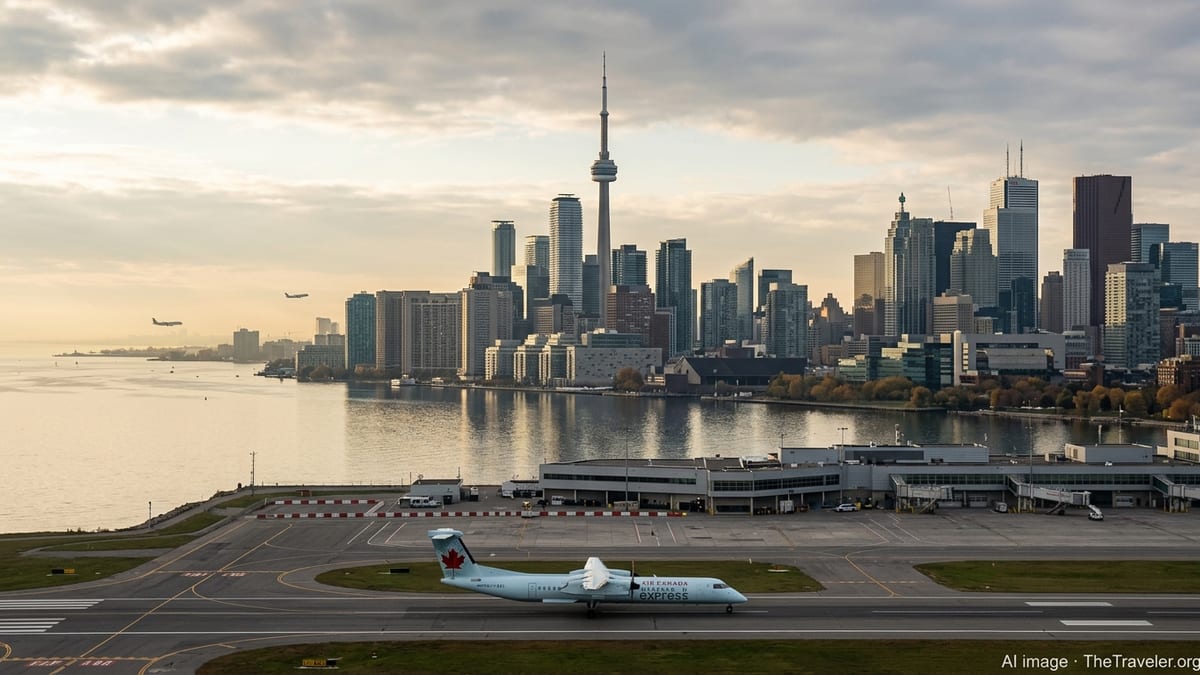
New 2027 Routes Put Toronto at the Center of Air Canada’s Growth
According to recent network announcements, Air Canada is planning a significant expansion of its global schedule for summer 2027, with Toronto Pearson International Airport positioned as a primary beneficiary. Publicly available information from the airline’s newsroom indicates that the carrier will introduce new long haul links and additional frequencies that tighten Toronto’s connections with Europe, Asia and Latin America, while also converting some previously seasonal services into year round operations.
Toronto Pearson is already identified as Air Canada’s main global hub, handling a large share of the airline’s international traffic. Recent corporate disclosures highlight the strategic importance of concentrating new intercontinental flying at Toronto, where a broad domestic and U.S. network helps funnel passengers onward to overseas services. The 2027 additions build on this strategy, using the city as a transfer point for travelers across Canada and the United States heading to new destinations abroad.
Alongside fully new destinations, the plan for 2027 includes stronger service on existing routes. Industry coverage of the summer 2027 schedule points to added frequencies on high demand transatlantic and transpacific sectors from Toronto, reflecting confidence that long haul demand will remain resilient through the middle of the decade.
Key International Links: Asia, Europe and Latin America in Focus
Network details released this month show that Asia remains a central pillar of Air Canada’s growth plans. The airline’s broader 2026 and 2027 schedules already call for expanded service to major Asian gateways, and reports on the summer 2027 network indicate that new or additional flights from Toronto into the region are part of the next phase. This strategy reinforces the role of Toronto as a connecting point between secondary U.S. and Canadian cities and key Asian hubs.
Europe also features prominently in the 2027 buildout. Previous announcements for 2026 included resumed and new European cities from Toronto such as Budapest and additional capacity to Central and Eastern Europe. The latest summer 2027 outline extends that trajectory, with more non stop options expected to appeal both to leisure travelers looking for new city break destinations and to diaspora communities with strong ties to European markets. The shift of some routes from seasonal to year round operations further underlines the depth of demand on these corridors.
Latin America and the Caribbean are another area of focus. Air Canada has already been adding links from Toronto into South America and sun destinations, and supporting documentation around its 2027 plans references new or expanded connections into the region, including services that complement a Toronto Guatemala City route expected to start as a winter 2026 launch and continue into year round operation. These moves point to Toronto’s growing role as a north south bridge for travelers connecting between Latin America, Europe and Asia on a single itinerary.
Economic Tailwinds for Toronto’s Tourism and Business Sectors
Available airline and airport data show that international air links are closely tied to tourism, trade and investment flows, and Air Canada’s 2027 network expansion is expected to have measurable effects on the Greater Toronto Area. The carrier’s own growth forecasts, published in recent investor and sustainability reports, project that network expansion through its Canadian hubs can add billions of dollars to national GDP and support thousands of jobs across aviation, hospitality and related industries.
For Toronto specifically, additional long haul routes translate into more visitors with higher average spending, particularly from Europe and Asia where travelers often stay longer and spend more on accommodation, dining and cultural attractions. Tourism organizations in Ontario have consistently emphasized the importance of direct air service in attracting meetings, conventions and major events, and the 2027 schedule positions Toronto more competitively when bidding against rival cities in North America and Europe.
Business travel is also likely to benefit. As corporate travel gradually normalizes, companies place a premium on nonstop links to financial and industrial centers. Stronger year round connectivity from Toronto to key international markets can help local firms access clients and partners more efficiently, while making the city more attractive as a location for regional headquarters and foreign investment. The ability to offer one stop connections from smaller Canadian and U.S. cities via Toronto onto new long haul services further enhances this competitive edge.
Stronger Hub Connectivity and Passenger Experience at Toronto Pearson
Toronto Pearson’s role as Air Canada’s primary global hub is central to how the 2027 changes are expected to reshape travel flows. The airport already handles a large volume of connecting traffic, and new long haul departures create more opportunities to build banked connections where inbound domestic and transborder flights arrive in coordinated waves before international departures. This structure can cut total journey times for passengers starting in secondary markets that previously required two or more stops to reach certain overseas destinations.
The expansion of Air Canada’s fleet, including the continued deployment of Boeing 787 Dreamliners and the planned arrival of narrowbody long range aircraft, supports this hub strategy. These aircraft enable a mix of high capacity flagship routes and thinner long haul markets that can be served profitably from Toronto. As the airline gradually introduces more fuel efficient jets into service, travelers using the Toronto hub are expected to see a broader choice of departure times and destination pairings.
At the same time, airport infrastructure improvements at Toronto Pearson and at other regional airports feeding into the hub continue to enhance the overall passenger experience. Efficient connections, expanded preclearance options at select Canadian airports and digital tools for itinerary management all contribute to making Toronto a more seamless transit point for international journeys built around the new 2027 routes.
Implications for Canadian Competitiveness in Global Aviation
Air Canada’s 2027 network moves from Toronto arrive in a competitive global context, as North American and European carriers race to capture long haul demand and secure strategic transfer markets. By concentrating a larger share of its new routes at Toronto Pearson and aligning them with existing domestic and U.S. feeder services, the airline is positioning itself to defend and grow its share of sixth freedom traffic, where travelers connect through Canada between two foreign points.
Industry observers note that this strategy supports Canada’s broader ambitions to remain a relevant player in international aviation despite geographic and regulatory constraints. Canada's major carriers face competition from large U.S. hubs and European megacarriers, and the ability to sustain a diversified network from Toronto is seen as a key factor in keeping high value traffic flows within the country. The 2027 expansion therefore functions not only as an airline initiative but also as a development that could influence Canada’s standing in global route networks.
For travelers, the practical result of these strategic decisions is a wider menu of one stop options from Toronto, often with competitive schedules and fares compared with itineraries routed through U.S. or European hubs. As booking channels begin to load the new 2027 flights, both leisure and business passengers are expected to gain more flexibility in how they plan trips, reinforcing Toronto’s image as one of North America’s leading international gateways.
Air Canada: Ready for take off network expansion for summer 2027
Air Canada: Toronto global hub expansion in summer 2027