


More news on this day
An American Airlines Airbus A319 operating Flight AA1363 from Atlanta to Chicago diverted to Indianapolis, resulting in passengers reaching a different destination than planned and facing disrupted onward travel across the Midwest.
Get the latest news straight to your inbox!
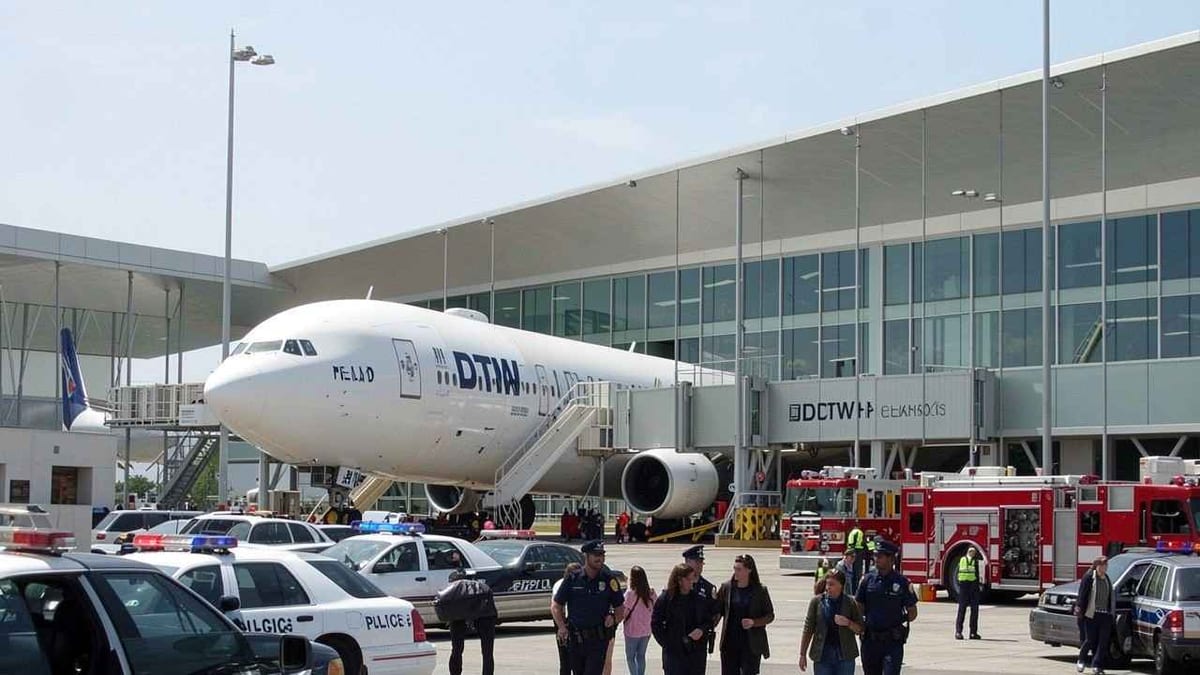
Unexpected Diversion on a Routine Domestic Route
The American Airlines service, operating under flight number AA1363 from Hartsfield Jackson Atlanta International Airport to Chicago O Hare International Airport, was scheduled as a routine midweek connection between two of the busiest hubs in the United States. Flight tracking data and publicly available schedules show the route is usually completed in around one and a half to two hours on an Airbus A319 configured for short to medium haul domestic operations.
On this occasion, instead of continuing north to Chicago, the aircraft diverted to Indianapolis International Airport. The change in course meant that travelers expecting to arrive at Chicago O Hare instead found themselves disembarking in Indiana, a several hour drive from their intended destination, depending on final travel plans.
Public flight information platforms routinely track diversions across the United States and indicate that deviations from planned routes can be triggered by a range of operational factors, including weather, air traffic flow constraints, and technical or medical reasons. In this case, available data confirms the diversion path into Indianapolis but does not specify a single publicly verified cause at the time of writing.
The aircraft involved, an Airbus A319 132, is one of the smaller narrowbody types in the American Airlines mainline fleet, commonly used on high frequency business and connecting routes such as Atlanta to Chicago. Diversions on such routes are relatively rare when compared with the overall number of daily flights, yet they can cause outsized disruption for those on board.
Operational Context and Possible Contributing Factors
While specific technical or meteorological details behind this individual diversion have not been fully described in public sources, similar incidents on domestic routes often follow recognizable patterns. Airways around major Midwest hubs can be heavily congested, and traffic management initiatives are regularly imposed during periods of low visibility, thunderstorms, or runway configuration changes.
Industry reporting and aviation incident databases describe how, in comparable cases, crews may request or accept alternate airports when onboard indications suggest a potential mechanical issue, when fuel margins are eroded by extended holding, or when destination conditions deteriorate faster than forecast. Indianapolis, positioned roughly south southeast of Chicago with extensive runway infrastructure and established maintenance support, is a common diversion point for flights bound for Chicago area airports.
Publicly available operational guidelines highlight that airlines typically prioritize the nearest suitable airport when performance, maintenance, or medical considerations arise. A diversion to Indianapolis fits this logic for an aircraft operating in the corridor between Atlanta and Chicago, providing rapid access to ground assistance while still keeping passengers within the broader region of their planned arrival.
A review of recent diversion patterns into Indianapolis shows a mix of weather related reroutes and aircraft specific issues from multiple carriers, suggesting that the airport routinely functions as an alternate for Midwest operations rather than as an exceptional or isolated choice.
Impact on Passengers and Onward Connections
For travelers on AA1363, the most immediate effect of the diversion was the sudden change in arrival city. Passengers expecting to connect onward from Chicago, or to meet ground transportation there, instead faced the need to rebook flights or arrange surface travel from Indianapolis to their final destinations.
Publicly available customer guidance from large U.S. carriers, including American Airlines, explains that when diversions occur, passengers are typically re accommodated on later flights once the aircraft is able to continue or once alternative services can be arranged. In cases where the operating aircraft or crew cannot proceed the same day, airlines may seek to transfer travelers to other departures or, when feasible, to partner carriers serving the original destination.
Travel forums and previous diversion case studies indicate that responses can vary depending on the underlying cause, the timing of the diversion, and seat availability from the unscheduled arrival airport. For an event in Indianapolis affecting a flight bound for Chicago, options may include a follow on flight to O Hare, a reroute through another hub, or ground transportation when distances are manageable.
The diversion will also have affected baggage handling and subsequent rotations of the aircraft. Checked luggage may need to be located, unloaded, and re tagged for continuation, while the A319 and its crew could be reassigned or delayed for later sectors, which can contribute to broader schedule knock on effects across the network.
How Diversions Fit into the Broader Safety System
Aviation safety specialists consistently emphasize that diversions, while disruptive, are a planned and integral part of airline operations. Aircraft carry fuel reserves calculated to allow for holding, alternate airport approaches, and possible rerouting when conditions demand. The decision to divert is treated as a proactive safety measure rather than an exceptional failure of the system.
Regulatory frameworks in the United States require airlines and flight crews to maintain conservative decision making standards in relation to weather, navigation equipment, and aircraft performance. Publicly accessible safety analyses show that opting to land at an alternate airport is usually a sign that those standards are being applied as intended, even when the exact trigger is not disclosed in real time to passengers or the wider public.
Comparable events involving American Airlines and other major U.S. carriers often conclude with flights either continuing onward to the original destination once conditions permit, or with aircraft being inspected and, if necessary, removed from service until engineers clear them for further flights. This layered approach aims to reduce risk even at the cost of short term inconvenience.
For travelers, the diversion of AA1363 serves as a reminder that even on short, frequently operated domestic segments, operational flexibility remains essential. Planning extra time for connections, maintaining updated contact details in airline bookings, and monitoring flight status tools can help mitigate the impact when a routine trip unexpectedly ends at a different airport than planned.
What Travelers Can Take Away from the Incident
The experience of passengers on the Atlanta to Chicago flight that diverted to Indianapolis underlines several practical points for frequent and occasional flyers alike. Diversions are statistically uncommon, but when they do occur they can significantly affect tightly timed onward itineraries, particularly for travelers relying on same day connections.
Travel planning resources and consumer advice columns often recommend building buffer time into itineraries passing through busy hubs such as Chicago O Hare, especially during seasons with elevated thunderstorm or winter weather risks. A diversion to a nearby airport, even when not caused by severe conditions, can still ripple through carefully arranged plans.
Available guidance also stresses the value of keeping airline and third party travel apps installed and notifications enabled, as these tools usually update more quickly than airport displays when an aircraft changes course or a new departure gate is assigned. In events similar to the AA1363 diversion, passengers who receive early notice can sometimes secure rebooking options ahead of the wider crowd.
Although the diversion left passengers from AA1363 arriving in Indianapolis instead of Chicago, the flight landed without reports of injury, reinforcing the core principle that operational decisions are ultimately geared toward maintaining safety. For travelers across the U.S. network, that trade off continues to define how unexpected route changes, missed connections, and changed arrival cities are managed when circumstances force an aircraft away from its planned path.