


More news on this day
Australia’s rising cruise tourism sector is intersecting with a global boom in independent travel, as small-ship operator Coral Expeditions expands dedicated solo offerings that aim to draw more international travellers to remote coasts and reef destinations.
Get the latest news straight to your inbox!
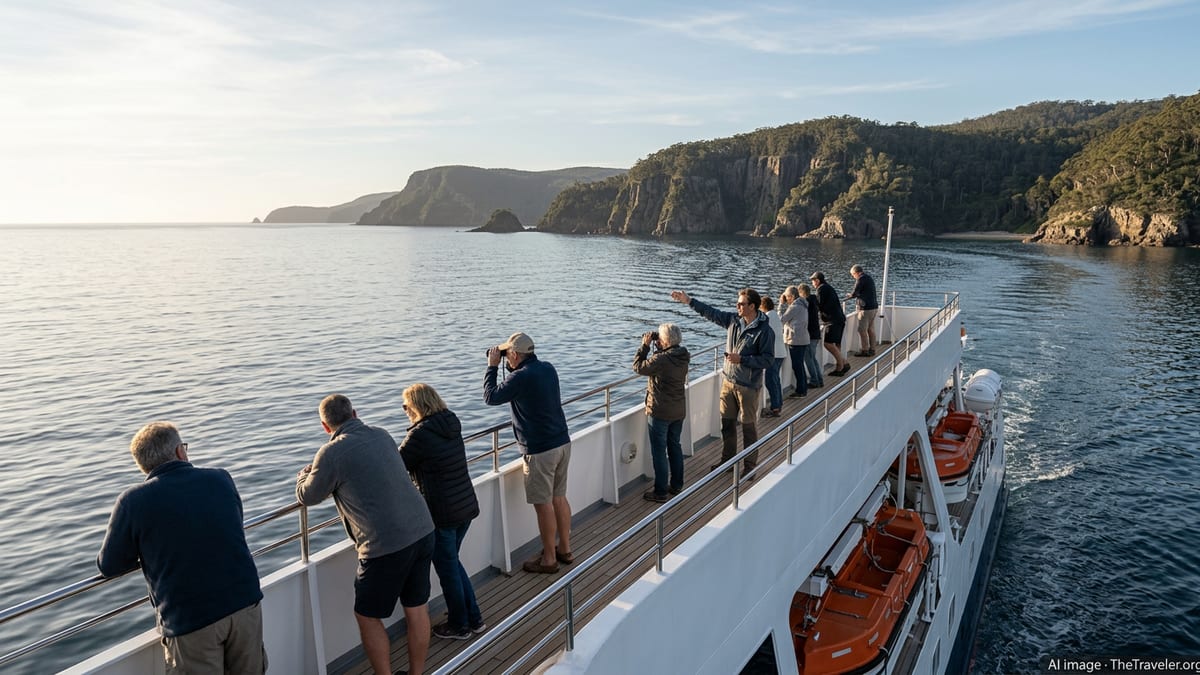
Australia Positions Cruise Tourism for Long-Term Growth
Australia is sharpening its focus on cruise tourism as a high-yield component of the visitor economy, with government strategies and industry bodies highlighting the role of ships in dispersing travellers and spend to coastal regions. National frameworks such as the federal THRIVE 2030 visitor economy strategy emphasise cruise as part of a broader plan to grow tourism sustainably and support regional communities through to the end of the decade.
Recent analysis from the Australian Cruise Association indicates that while overall activity has moderated from record highs, cruise still supports tens of thousands of jobs and extensive supply chains across ports, provisioning, transport and onshore touring. The 2024–25 economic impact assessment notes that future growth will depend on keeping Australia competitive through policy settings that provide certainty for operators planning itineraries years in advance.
Parallel work by state governments has targeted infrastructure and port improvements to accommodate both large vessels and smaller expedition ships that access remote regions. In Queensland, for example, dedicated cruise terminals and channel upgrades have been rolled out to support continuing demand along the state’s extensive coastline, reinforcing cruise as a driver of regional visitation.
Industry submissions to forthcoming federal budgets also call for a national cruise tourism strategy and regulatory clarity on coastal trading rules, arguing that stable frameworks are essential if Australia is to remain a preferred base and destination for global cruise lines.
Coral Expeditions Scales Up Dedicated Solo Voyages
Within this policy environment, Coral Expeditions is moving to broaden its appeal among independent travellers. Recent trade coverage reports that the line has expanded its solo traveller program, building on existing policies that include year-round departures where single supplements are reduced or waived. The new push groups more of these departures into clearly branded solo-friendly voyages, designed to make itineraries easier to identify and book for those travelling alone.
The expanded program is being launched across a selection of itineraries in Australia and the broader Asia-Pacific region, including Kimberley coast sailings, Tasmanian circumnavigations and voyages into Indonesia and the South Pacific. Reports indicate that these sailings are structured to offer small-group activities, shared expedition experiences and hosted social events that cater to solo guests while maintaining Coral Expeditions’ long-standing focus on nature, culture and coastal exploration.
Coral Expeditions operates a trio of small expedition ships, including Coral Discoverer and Coral Adventurer, which typically carry fewer than 120 passengers. The vessels’ size allows frequent use of tenders and expedition craft, enabling landings at reefs, islands and remote shorelines that are inaccessible to larger ships. Industry commentary suggests this format naturally fosters a communal on-board atmosphere that appeals to travellers who value connection without the scale of mainstream cruising.
Travel media profiling the brand’s solo offering note that the operator has seen a steady rise in demand from independent travellers over recent years. Solo bookings now represent a notable share of its business, reflecting broader trends across adventure and expedition cruising where smaller ships and informal settings are seen as welcoming environments for guests travelling without companions.
Independent Travellers Drive Demand in Australia’s Cruise Market
Australia’s cruise market is increasingly shaped by independent and solo travellers, mirroring shifts across global tourism. Data released through Cruise Lines International Association’s Australian market reports show passenger numbers rebounding and surpassing some pre-pandemic benchmarks, with more Australians choosing cruises both domestically and overseas.
Research cited by tourism and transport groups points to one in three Australians considering a cruise holiday in the near term, with Australia, New Zealand and the South Pacific the most popular regions. Within this growth, expedition and small-ship segments remain a relatively small but expanding niche, attracting travellers who prioritise destination immersion, wildlife encounters and cultural experiences over resort-style amenities.
Media coverage within the Australian cruise sector highlights particularly strong momentum among solo female cruisers and older independents, who value both the security and social structure of organised voyages. Expedition-style products, including those offered by Coral Expeditions, are frequently identified as options where a relaxed onboard culture and guided excursions help to reduce the barriers that can deter people from travelling alone.
At the same time, online travel communities show rising international interest in combining Australian cruises with longer independent itineraries on land. North American and European travellers, in particular, are increasingly treating coastal voyages as one component of broader trips that might also include self-drive holidays, rail journeys or city stays.
Solo Voyages Tailored to Small-Ship Expedition Experiences
The new solo-focused voyages from Coral Expeditions are structured around the line’s core expedition model, which emphasises guided exploration, local partnerships and low-impact travel. Reports on the program outline inclusions such as pre-cruise accommodation, hosted welcome events and curated small-group activities that encourage social interaction without formal seating plans or large-scale entertainment.
On board, expedition leaders, guest lecturers and local guides typically accompany landings to interpret natural and cultural sites, from rock art galleries along the Kimberley coast to wildlife habitats in Tasmania or coral reefs in the tropical north. The small-ship format means that most guests, including solo travellers, participate in the same excursions, creating shared narratives and a sense of community over the course of each voyage.
Pricing structures for solo departures have become an important competitive tool for expedition lines, and Coral Expeditions’ approach sits within a wider trend of flexible single supplements, dedicated single cabins and occasional promotional waivers across the sector. Travel industry analysis suggests that clearly signposted solo programs make it easier for independent travellers to compare options and budget, particularly when itineraries extend to two or three weeks in remote regions.
By building solo offerings into its published schedules rather than treating them as last-minute promotions, the company is signalling an intention to cultivate this customer segment for the long term. That strategy aligns with broader cruise industry efforts to diversify passenger demographics beyond traditional couples and multigenerational groups.
Economic and Regional Benefits for Coastal Australia
The elevation of cruise tourism, including solo and expedition segments, carries implications for coastal economies across Australia. Economic impact assessments compiled by cruise industry associations show that ship calls generate spending on port services, hospitality, retail, touring and transport in gateway cities and smaller regional centres.
Smaller expedition vessels, such as those operated by Coral Expeditions, are particularly associated with visits to remote towns and indigenous communities that receive fewer large-scale tour groups. Publicly available reports from Queensland and other states note that cruise-derived spending can support local guides, cultural centres, marine operators and small businesses, provided itineraries are developed in consultation with destinations and environmental protections are maintained.
Regulatory material from Australian border and biosecurity agencies underscores that all cruise traffic, including small expedition ships, is subject to rigorous arrival and departure requirements. These frameworks are designed to safeguard marine environments and communities along Australia’s vast coastline, where sensitive ecosystems such as the Great Barrier Reef and fragile island habitats are central to the tourism offering.
As government strategies and industry plans continue to evolve through to 2030, operators that align product development with sustainability and dispersal goals are likely to play a significant role in shaping Australia’s cruise narrative. Coral Expeditions’ enhanced focus on solo travellers positions the line within that conversation, highlighting how targeted product design can support both visitor demand and regional outcomes.
Australian Cruise Association 2024–25 value of cruise tourism
EGlobal Travel Media coverage of Coral Expeditions’ solo program
Austrade THRIVE 2030 visitor economy strategy
Travel Weekly reporting on cruise demand and top destinations