


More news on this day
Hundreds of travelers were left stranded across several of Brazil’s busiest air hubs on Wednesday as monitoring data pointed to more than 130 delays and at least 10 cancellations affecting flights operated by LATAM Brasil, GOL, Azul Brazilian Airlines and other carriers through Guarulhos, São Paulo, Campinas and Maringá.
Get the latest news straight to your inbox!
Ripple Effects at Brazil’s Main Gateways
Publicly available flight tracking boards for May 27 showed disruption clustering around São Paulo–Guarulhos International Airport, the country’s primary international gateway, with late departures and arrivals cascading across the domestic network. While many flights continued to operate, a steady pattern of extended ground times and rolling schedule changes made onward connections increasingly uncertain for passengers.
Regional airports that depend on São Paulo connections, including Maringá in Paraná state and Viracopos in Campinas, experienced knock-on effects as aircraft and crews arrived late from earlier rotations. Data covering the São Paulo to Maringá corridor indicated schedule pressures on both LATAM Brasil and Azul Brazilian Airlines services, reflecting how even modest delays at a hub can quickly translate into missed connections and overnight stays for travelers further down the line.
The timing of the latest disruption comes only weeks after earlier operational strains in the São Paulo airspace, which had already tightened capacity at Guarulhos and forced airlines to rework parts of their domestic schedules. Airport operators and carriers had previously warned that reductions in runway availability and air traffic management constraints could limit their flexibility when irregular operations occur.
As a result, Wednesday’s wave of delays fell on a network that was already operating with less margin, increasing the likelihood that a single late inbound aircraft from one city would lead to multiple delayed departures to others.
LATAM Brasil, GOL and Azul Under Pressure
LATAM Brasil, GOL and Azul Brazilian Airlines, which together account for the vast majority of domestic capacity through Guarulhos, Congonhas and Campinas, shouldered most of the visible impact. Tracking boards showed each of the three carriers listing delayed flights on trunk routes linking São Paulo with southern and northeastern cities, as well as on shorter regional hops.
LATAM Brasil’s schedule through Guarulhos remained dense, with frequent services to destinations such as Florianópolis, Navegantes and Maringá still operating but often outside their planned time windows. GOL’s operations on key business corridors, including flights into São Paulo and onward to Brasília and other capitals, also faced extended turnaround times, while Azul’s strong presence at Campinas meant that even small timing changes could reverberate across several interconnected routes.
Smaller and regional operators were not immune. Public data showed that delays and cancellations were distributed across more than one airline, reflecting a broader strain on Brazil’s domestic system rather than issues confined to a single carrier. For many passengers, that meant limited options to switch to another airline at short notice, particularly on routes where only one or two daily frequencies are normally available.
Industry data from recent months has already highlighted how congestion and tight scheduling can leave airlines vulnerable to spikes in delays, with on-time performance at major hubs fluctuating when weather, infrastructure works or air traffic control measures reduce usable capacity.
Stranded Passengers Face Rebooking and Added Costs
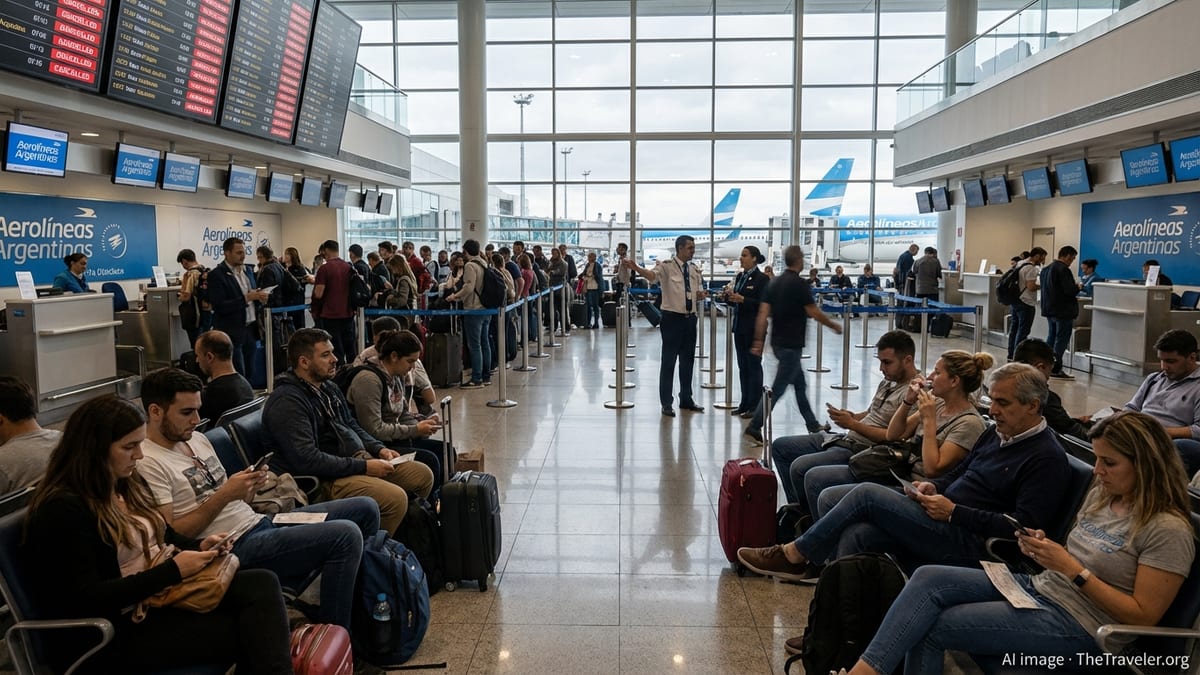
The immediate human impact of Wednesday’s disruption was most visible in terminal departure halls, where passengers reported long lines at check in counters, self service kiosks and customer service desks as they sought rebooking options. Those traveling through Guarulhos and Campinas in particular encountered busy connection areas as missed links were reassigned to later flights, often with limited spare seats.
Travelers heading to or from Maringá and other regional cities found themselves especially exposed. With fewer daily flights and heavy reliance on connections through São Paulo, a single cancellation or multi hour delay could mean an unplanned overnight stay or the need to reroute via an entirely different city. For some travelers, that meant additional spending on hotels, meals and ground transport while they waited for the next available departure.
Consumer advocates in Brazil frequently point to these kinds of cascading disruptions as a test of airline compliance with local passenger protection rules, which set out standards for assistance when delays and cancellations occur. Historical reports have noted that travelers sometimes need to push for meal vouchers, accommodation and alternative itineraries to which they are entitled, particularly during busy travel periods when staff are under heavy workload.
As the latest wave of delays unfolded, online discussion forums and social media posts reflected a familiar mix of frustration over missed events and appreciation when airlines were able to quickly accommodate changes. For many affected travelers, however, the primary concern remained simply getting to their destinations as soon as possible.
Operational and Infrastructure Factors in Focus
The disruption placed renewed attention on structural pressures across Brazil’s aviation system. Earlier this year, airport planning notices and local coverage highlighted that Guarulhos would temporarily operate with reduced runway capacity during scheduled works, potentially trimming overall movements at the country’s busiest hub. At the same time, reports of occasional technical and air traffic management constraints in the wider São Paulo region underscored how dependent airlines remain on smooth coordination between airports and control centers.
Data from Brazilian air navigation and aviation authorities in recent reporting periods has shown that Guarulhos, Congonhas and Campinas have all experienced varying levels of departure and arrival delays, with punctuality influenced by factors ranging from congestion in peak hours to weather and infrastructure limitations. Airlines such as LATAM Brasil, GOL and Azul typically adjust schedules and add buffer time where possible, but high aircraft utilization and dense banks of connections can limit room for maneuver.
Operational analysts frequently note that when runways are constrained or airspace is temporarily restricted, carriers must prioritize certain flights and reassign aircraft across their networks, a process that can have visible effects on smaller regional routes. The current cluster of delays and cancellations affecting Maringá and other secondary destinations appears consistent with this pattern, in which large hubs absorb much of the traffic while peripheral links become more vulnerable to disruption.
With Brazil’s domestic demand trending high in 2026 and new international routes scheduled to launch from Guarulhos in coming months, pressure on infrastructure and airline operations is expected to remain elevated, raising questions about how the system will cope during peak holiday periods.
What Travelers Can Expect in the Coming Days
As airlines worked to restore regular operations on Wednesday, publicly available information suggested that most of the delayed flights were expected to depart later the same day, albeit with revised timings and potential knock on effects for subsequent rotations. However, some cancellations were likely to persist where crews or aircraft could not be repositioned in time, particularly on lower frequency routes linking São Paulo, Campinas and smaller regional airports.
Travel planning experts generally advise passengers transiting Guarulhos, Congonhas or Campinas during periods of irregular operations to monitor their flights closely through carrier apps and airport boards, arrive earlier than usual for check in and security, and keep essential items in carry on baggage in case of missed connections. For those with tight same day connections or critical events such as business meetings and international departures, booking longer layovers through São Paulo can offer additional protection when schedules grow unstable.
In the short term, the latest disruptions are likely to feed into ongoing debates about capacity, pricing and competition in Brazil’s aviation market, as travelers weigh the reliability of different routes and carriers. For the hundreds of passengers stranded across Guarulhos, São Paulo, Campinas and Maringá on May 27, the immediate priority remains far more basic, centered on rebooked seats, updated boarding passes and the hope that the next flight on the screen will depart on time.