


More news on this day
Indian comedian and television presenter Danish Sait has drawn fresh attention to Thai Airways’ ongoing disruption at Bangkok’s Suvarnabhumi Airport after describing how he was left stranded for hours with what he called “zero communication” from the carrier.
Get the latest news straight to your inbox!
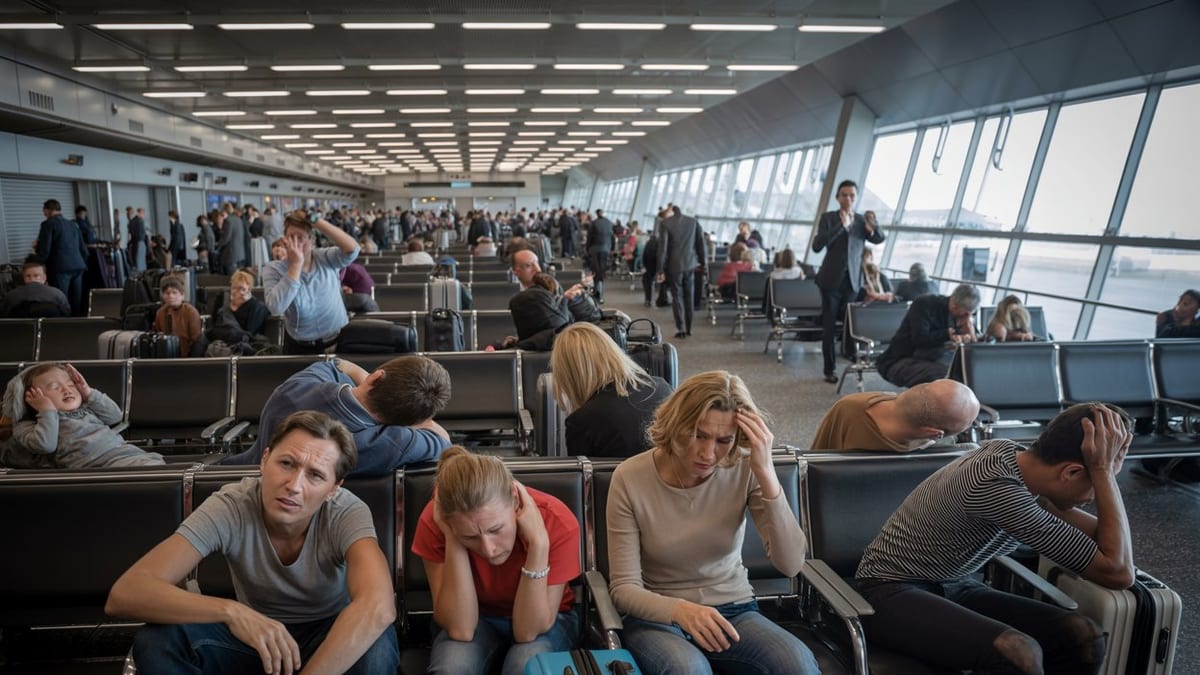
Social Media Post Highlights Passenger Frustration
According to Indian entertainment and travel coverage published on September 29, 2026, Danish Sait shared his experience on social media after a Thai Airways service through Bangkok was disrupted amid wider operational problems at Suvarnabhumi Airport. Reports indicate that Sait was among passengers who waited for extended periods at the airport with limited updates from the airline regarding flight status and baggage.
Coverage of his account states that Sait questioned how an international flag carrier could provide so little real-time information during a major disruption, using the phrase “zero communication” to describe his dealings with the airline at the airport. His criticism quickly gained traction among followers, adding a high-profile voice to a growing number of complaints about Thai Airways’ handling of delays and baggage issues in Bangkok.
While full details of Sait’s itinerary were not disclosed in public reports, his comments have resonated with other travelers who say they faced similar uncertainty over rescheduled flights and missing bags. His posts circulated at the same time that local media documented hours-long queues at baggage belts and crowded arrival halls.
The public attention around Sait’s experience has helped frame the disruption not only as an operational breakdown but also as a customer service and communication failure, raising questions about how airlines manage information flows during severe delays.
Wider Disruption At Suvarnabhumi Airport
The incident involving Sait unfolded against a broader crisis affecting Thai Airways operations at Bangkok’s Suvarnabhumi Airport on September 28 and 29, 2026. Local business and general news outlets in Thailand report that ground-handling problems led to an operational collapse that left thousands of passengers waiting five to six hours, and in some cases overnight, to retrieve their baggage at the main terminal.
Published coverage notes that the disruption followed acute staff and equipment shortages in baggage handling, which created backlogs across several arrival belts. Travelers arriving from both domestic and international destinations described crowded carousel areas, growing queues and limited frontline staff presence as the situation unfolded.
In response to the disruption, Thai Airways temporarily canceled a number of services on September 29, including round-trip flights between Bangkok and Khon Kaen (TG040 and TG041), Bangkok and Phuket (TG201 and TG202), Bangkok and Hanoi (TG560 and TG561), and Bangkok and Singapore (TG403 and TG404). Public statements from the airline characterized the cancellations as part of efforts to stabilize operations and clear baggage backlogs.
Reports indicate that additional staff were later deployed to support baggage delivery and customer queries at Suvarnabhumi. However, passengers interviewed by regional outlets continued to describe confusion over where to obtain information and how long they would need to remain at the airport.
Questions Over Thai Airways’ Communication And Passenger Care
Sait’s description of “zero communication” from Thai Airways echoes a central theme in domestic coverage of the disruption, which points to a breakdown in basic information sharing at the airport. Thai newspapers and regional outlets have reported that many travelers waited hours without clear announcements about baggage status, rebooking options or compensation rights.
Publicly available information on Thai Airways’ customer service plan, particularly for routes involving the United States, states that the airline aims to notify customers of delays of more than 30 minutes within 30 minutes and to make every reasonable effort to deliver mishandled baggage within 24 hours. The airline also outlines commitments to respond to customer complaints within defined timeframes and to take steps to mitigate inconvenience when delays or cancellations occur.
The contrast between these written commitments and the experiences described by passengers in Bangkok has become a focal point for criticism. Commentaries in Thai business media note that even if the root cause of the disruption lay in ground-handling shortages, passengers primarily interact with the airline, not contractors, and therefore expect timely updates, proactive rebooking support and clear instructions about baggage retrieval.
For travelers like Sait, whose public platforms amplify their experiences, the episode has raised broader questions about how well major carriers are prepared to communicate during rapidly evolving disruptions, particularly when multiple flights and systems are affected at once.
Regulatory Scrutiny And Potential Penalties
According to local news reports in Thailand, authorities responsible for Suvarnabhumi Airport and transport oversight are reviewing the September disruption and considering possible penalties related to baggage delays and passenger treatment. Media coverage indicates that regulators are examining whether existing contracts and service standards were met, including obligations concerning ground handling and customer information.
Commentators in Thai business outlets have suggested that any formal findings could lead to fines or corrective orders focused on staffing, baggage-handling capacity and customer communication protocols. The incident is being viewed in the context of broader debates about service quality at major Southeast Asian hubs, where rising passenger numbers have placed additional pressure on airport infrastructure and airline operations.
For Thai Airways, which serves as Thailand’s flag carrier and operates its primary hub at Suvarnabhumi, the episode represents both an operational challenge and a reputational risk. Public discussion in Thailand has emphasized that consistent communication, including regular announcements, clearly staffed help points and reliable digital updates, is now seen by travelers as integral to the travel experience, particularly when things go wrong.
The outcome of the regulatory review and any remedial steps announced by Thai Airways are likely to be closely watched by frequent travelers in the region, as well as by tourism businesses that depend on smooth transit through Bangkok.
What Recent Events Mean For Future Travelers Through Bangkok
While the disruption that affected Sait and many other passengers appears to have been concentrated over specific days in late September 2026, the incident has prompted renewed advice for travelers connecting through Bangkok. Travel industry commentary suggests that passengers may wish to build in longer connection windows at Suvarnabhumi and to keep essential items, such as medications and important documents, in carry-on baggage whenever possible.
Several outlets have also highlighted the importance of monitoring flight status and baggage information through multiple channels, including airline apps, airport display boards and staffed service counters inside the terminal. In situations where airport systems are under strain, having more than one way to check updates can reduce uncertainty, even if frontline staff are temporarily overwhelmed.
Publicly available information on Thai Airways’ website lists contact center numbers and email addresses for different regions, along with online forms for feedback and baggage claims. Travelers affected by delays or mishandled baggage are advised in those materials to submit written claims within specified time limits, often within 21 days of receiving delayed luggage, in order to seek reimbursement for documented expenses.
For now, Sait’s account of being stranded with little information has become one of the most visible snapshots of the recent turmoil at Suvarnabhumi Airport. As operations normalize, the incident is likely to remain a reference point in discussions about how airlines balance operational recovery with transparent, timely communication to the passengers waiting at the gate or by the baggage belt.