


More news on this day
Thai Airways has cancelled a series of flights out of Bangkok as a mounting baggage-handling breakdown at Suvarnabhumi Airport strands passengers for hours without luggage and with limited information about when services will return to normal.
Get the latest news straight to your inbox!
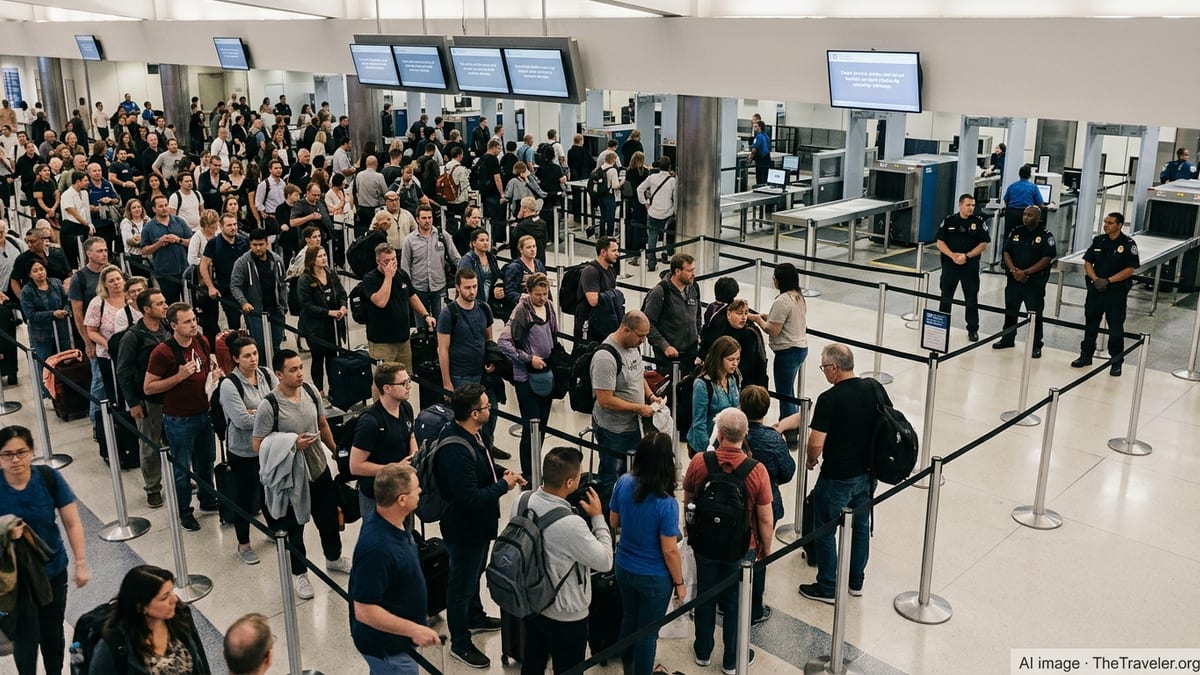
Floods, faulty equipment and a mounting baggage backlog
The disruption follows several days of heavy rain and flooding in Bangkok that have impeded travel for ground staff and disrupted operations at Suvarnabhumi, Thailand’s main international gateway. Publicly available information from Thai media indicates that baggage and departure delays first escalated over the weekend of September 26 and 27, when arriving travellers reported waiting many hours at carousels before their luggage appeared.
Reports from local outlets describe a combination of problems: flood-related staff shortages, baggage transport carts taken out of service for repairs, and a sudden surge of flights as the airport attempted to maintain its schedule. Airports of Thailand, which operates Suvarnabhumi, has acknowledged that the difficulties began on September 26 and quickly spread across multiple Thai Airways services, affecting both departing passengers and those collecting luggage on arrival.
Thai Airways has publicly attributed the initial disruption to extreme weather and flooding that prevented some staff from reaching work and slowed baggage sorting and delivery. The airline said it increased the number of employees handling luggage and began working through the backlog, committing to start returning delayed bags to passengers who had registered their details from the afternoon of September 28.
Despite those measures, the backlog remained significant into September 29. According to published coverage in Thailand, Thai Airways has been managing delayed baggage from at least 52 flights at Suvarnabhumi, prompting the carrier to concentrate resources on ground operations and pull back parts of its flying schedule.
Flights canceled as Thai Airways shifts focus to ground recovery
As the baggage crisis deepened, Thai Airways canceled a series of flights on September 29, including services on key domestic and regional routes from Bangkok. Information released through Thai-focused travel and news platforms shows that affected routes include Bangkok to Phuket and other regional destinations, alongside some long-haul services to Europe and neighboring countries in Asia.
Separate information from Thailand’s official tourism channels indicates that Thai Airways has also announced the cancellation of selected flights on September 29 and 30, citing the wider impact of flooding in Bangkok and surrounding areas. These cancellations cover a mix of domestic routes such as Bangkok to Udon Thani, regional services to Singapore, Kuala Lumpur and New Delhi, and long-haul flights to Frankfurt, Munich and Brussels.
Additional online summaries of the situation report that Thai Airways has canceled at least eight flights specifically linked to the baggage-handling disruption at Suvarnabhumi on September 29. Travel industry monitoring sites describe the move as an attempt by the carrier to free aircraft and crew schedules, allowing more attention to be directed toward clearing the baggage backlog and stabilizing on-the-ground operations.
The cancellations compound an already difficult experience for many passengers, some of whom had already endured long delays on earlier flights before being told their onward services would not operate. Those now facing canceled departures are being asked to contact Thai Airways or their booking channels for rebooking options or refunds, but the level of detail available to travelers has varied by route and point of purchase.
Stranded passengers face long waits and uncertain luggage returns
Accounts gathered by Thai and regional media describe scenes of frustration at Suvarnabhumi as some Thai Airways customers waited five to six hours for baggage, with certain travelers reportedly leaving the airport without their luggage and being advised to return the next day. In several cases, passengers arriving late at night or in the early hours said they were told to go home, rest and come back in the morning to queue again for their bags.
Publicly accessible reports indicate that the standard delayed-baggage procedure at Suvarnabhumi, which typically involves filling out a missing-bag report and arranging home delivery, has not always been followed during the current disruption. Some passengers have reported being directed instead to collect luggage in person from a designated baggage service office inside the terminal, adding further pressure to already crowded facilities.
Social media posts and online travel forums, while anecdotal, align with the picture painted by local news coverage: travelers arriving on Thai Airways flights describe carousels jammed with bags, long lines at lost-and-found counters and limited announcements about the status of delayed luggage. Some contributors say they received food vouchers during extended waits, while others recount returning to the airport on subsequent days to retrieve their belongings.
The uneven experience has led to questions about prioritization within the airport’s baggage system. Some passengers claim that services for other international airlines have recovered more quickly than for Thai Airways, though this point has not been independently verified. Airport and transport authorities have stated through public channels that they are reviewing the incident and considering possible penalties if contractual service standards were breached.
Airline response and what travelers can do now
Thai Airways has issued multiple public apologies over the past three days, stating that it is mobilizing additional staff and equipment to accelerate baggage delivery and stabilize flight operations. The carrier has highlighted efforts to repair or replace defective baggage carts and has acknowledged that heavy rain and flooding created operational bottlenecks that were not resolved quickly enough to prevent large-scale disruption.
The airline has urged passengers with missing or delayed baggage to register their details through official Thai Airways baggage service channels at Suvarnabhumi or via its customer contact center. For those whose luggage has already been located, the airline has said that deliveries and arranged collections should ramp up from Monday afternoon, September 28, with a goal of returning bags from the most severely affected flights as quickly as possible.
Travelers scheduled to fly with Thai Airways from Bangkok in the coming days are being advised in public travel alerts and news reports to monitor their flight status frequently and allow extra time at the airport. Those with tight connections or essential items in checked baggage are being encouraged to carry critical documents, medications and valuables in hand luggage, and to prepare for the possibility of extended waits at baggage claim even if their flights operate close to schedule.
Consumer guidance published by regional travel and aviation observers notes that passengers facing significant delays, cancellations or baggage problems should keep boarding passes, baggage tags and any written communication from the airline. These documents can support later claims for reimbursement or compensation under airline policies or applicable international conventions if the disruption meets the relevant thresholds for financial redress.
Ongoing review of Suvarnabhumi’s resilience
The baggage crisis at Suvarnabhumi has triggered a broader discussion within Thailand about the resilience of the country’s main aviation hub to extreme weather and infrastructure strain. Commentaries in local business and transport media point to Suvarnabhumi’s central role as a regional gateway and warn that repeated operational breakdowns could damage the country’s reputation among international travelers and airlines.
Publicly available statements from officials overseeing the airport and transport sector indicate that authorities are examining how flood-related ground access problems, staffing levels and equipment maintenance combined to create the current crisis. There is also scrutiny of the balance between ground-handling responsibilities carried out by Thai Airways on behalf of other carriers and the needs of the airline’s own passengers during periods of intense disruption.
For now, Thai Airways and Suvarnabhumi Airport remain focused on clearing the remaining baggage backlog and restoring a reliable schedule. While some passengers arriving on other airlines have reported relatively smooth experiences in recent hours, those flying with Thai Airways continue to face a higher risk of disruption as the carrier works through the aftermath of several days of operational strain.
The pace at which luggage is reunited with its owners and flights return to normal frequency over the coming days will be closely watched by Thailand’s tourism industry, which relies heavily on Suvarnabhumi’s role as a hub for both regional and long-haul travel. Until then, travelers planning to pass through Bangkok are being encouraged by travel advisories and news reports to build in extra time, remain flexible and stay closely informed about the evolving situation.