


More news on this day
Travellers using Glasgow Airport are being urged to be extra vigilant at some of the hub’s most popular overseas destinations, as updated government travel advisories highlight heightened risks from terrorism, petty crime and local unrest during late 2026.
Get the latest news straight to your inbox!
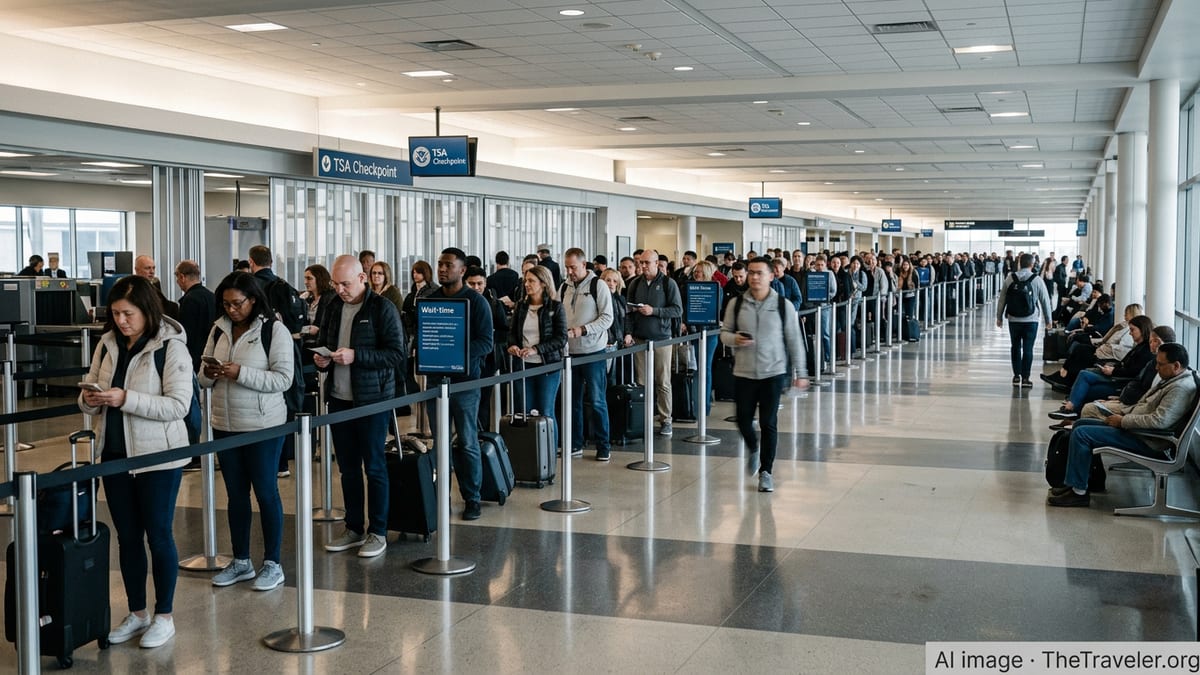
Popular Glasgow routes under renewed security spotlight
Glasgow Airport connects Scotland to a wide range of European beach resorts and city break destinations, as well as longer-haul hubs. Package holiday specialists highlight the Canary Islands, mainland Spain, the Balearics, Turkey and North African resorts such as Agadir among the most sought-after routes for 2026 departures from Glasgow.
Recent government and diplomatic travel advisories for several of these regions reiterate existing cautions rather than introducing blanket bans on travel. The tone of current guidance generally advises visitors to exercise increased caution or remain vigilant, particularly in busy urban areas, transport hubs and tourist districts, rather than avoiding travel altogether.
In practice, this means that flights and holiday packages from Glasgow Airport are continuing to operate normally. However, holidaymakers are being encouraged to pay closer attention to pre‑departure advice, destination‑specific security information and local news, especially for trips booked for late 2026 and early 2027.
Travel industry updates indicate that operators serving Glasgow are monitoring official guidance on a country‑by‑country basis. Where risk levels change, airlines and tour companies are adjusting customer communications, highlighting insurance requirements and reminding passengers to check the latest advice right up to the day of travel.
‘Be extra vigilant’ guidance and what it means in practice
Across many destinations served from Glasgow, foreign travel advisories now use phrases such as “exercise increased caution,” “remain aware of your surroundings” or “be extra vigilant in crowded places.” This wording typically reflects concerns about terrorism, opportunistic street crime, political demonstrations or sporadic unrest rather than a specific, time‑limited threat.
For travellers, being extra vigilant generally involves a series of practical steps. These include keeping valuables out of sight, securing passports and bank cards in hotel safes where possible, avoiding isolated areas late at night, and staying alert at public transport interchanges, outdoor events and nightlife districts. It also means paying attention to any local security announcements and avoiding large gatherings if tensions appear to rise.
Published guidance from UK authorities stresses that attacks or serious incidents overseas can occur with little or no warning, and that tourists may be caught up even when they are not the intended target. As a result, travellers are advised to build in time before departure to read destination‑specific security sections, understand any local curfews or restrictions, and register contact details with their airline or tour operator.
Advisories also emphasise the importance of comprehensive travel insurance that explicitly covers medical treatment, repatriation and disruption related to security incidents or civil unrest. Policies sold alongside package holidays from Glasgow often include this cover, but travellers booking flights and accommodation separately are urged to double‑check policy wording before departure.
Heightened awareness around airports, transfers and resorts
Transport hubs and busy tourist corridors are a particular focus of recent warnings. Guidance aimed at passengers flying via Glasgow Airport highlights the need for extra care not only on board flights, but also during airport transfers, in hotel lobbies and on excursions.
Travellers are being encouraged to pre‑book reputable airport transfer services where possible and to confirm pick‑up details in advance, especially for late‑night or early‑morning arrivals. Public information notes that unlicensed taxis or informal offers of transport can present additional risks, particularly where visitors are unfamiliar with local regulations.
At resorts and city hotels popular with Scottish holidaymakers, recent crime reports have pointed to issues such as pickpocketing, distraction thefts and bag‑snatching around tourist attractions, beachfront promenades and nightlife zones. Visitors are therefore advised to carry only the cash and cards needed for the day, use cross‑body bags that can be kept in front, and avoid placing phones or wallets on café tables at the edge of pavements.
For those connecting through larger international hubs on the way to long‑haul destinations, official advice is to allow ample time for security checks and potential additional screening. Travellers are encouraged to remain patient and cooperative during any enhanced checks, and to keep boarding passes and identification easily accessible to reduce queues and congestion.
Government advisories and how Scottish travellers can stay informed
Publicly available information from UK and partner governments confirms that foreign travel advice is being updated regularly in response to evolving security assessments. These advisories summarise the overall risk level for each country, highlight regions where caution is required and outline any restrictions affecting tourists.
Scottish travellers departing from Glasgow Airport can consult official guidance for their specific destination in the days leading up to travel, checking both for changes in overall advisory level and for updates related to terrorism, protests, crime or natural hazards. Many travellers now opt to sign up for email alerts or notification services so that significant changes are flagged automatically.
Travel professionals recommend that passengers review entry rules at the same time, including passport validity, visa or electronic travel authorisation requirements and any transit conditions at connecting airports. This can help to avoid last‑minute disruption at check‑in or border control, particularly where international security procedures have been tightened.
Where advice changes after a holiday has been booked, airlines and tour operators typically contact customers directly if schedules or itineraries are affected. However, travellers are reminded that responsibility for staying informed ultimately rests with the individual, and that up‑to‑date guidance may differ from what was in place when a trip was first arranged.
Practical safety tips for trips from Glasgow Airport
Alongside monitoring official advisories, there are several practical measures that can help Glasgow passengers reduce risk on upcoming trips. Travel planners suggest making digital copies of key documents such as passports, booking confirmations and insurance policies, saving them securely online or on a separate device in case originals are lost or stolen.
Holidaymakers are also encouraged to share itineraries and contact details with family or trusted friends at home, including flight numbers, accommodation information and any planned excursions. Agreeing regular check‑in times by message or call can provide reassurance during periods of heightened concern.
When exploring new cities, recent guidance highlights the value of blending in: dressing modestly, avoiding overt displays of expensive jewellery or electronics, and following local cultural norms. Travellers are advised to use hotel safes where available, lock balcony doors and windows when leaving rooms, and verify the identity of anyone requesting access to private accommodation.
For many destinations reachable from Glasgow Airport, the overall risk level remains moderate and millions of visitors travel without incident each year. The renewed emphasis on being extra vigilant is intended to ensure that holidaymakers remain aware of their surroundings, prepare carefully and make informed decisions, so that trips booked from Scotland’s largest west‑coast airport can go ahead as smoothly and safely as possible.