


More news on this day
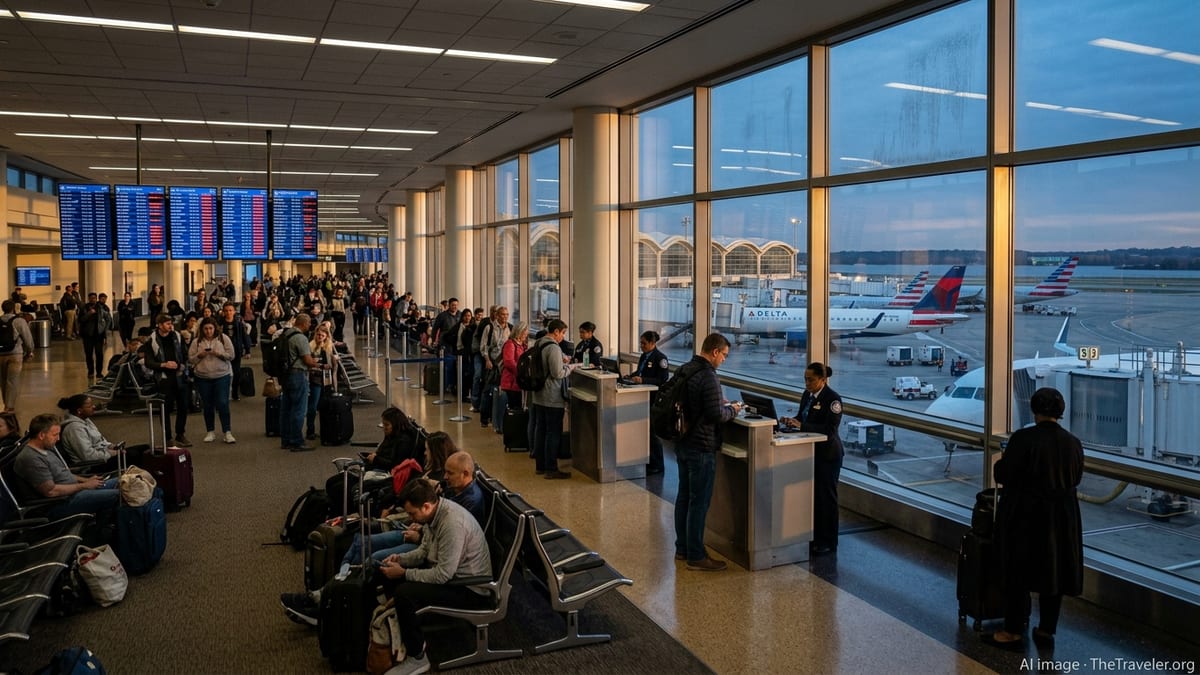
Delta Air Lines is contending with another wave of flight cancellations that is rippling across its network, as constrained rebooking options and crowded customer-service channels at four major airports leave many travelers stranded and frustrated.
Get the latest news straight to your inbox!
Cancellations Creep Back Up After Earlier Turmoil
Operational data and traveler reports indicate that Delta’s cancellation numbers have been climbing again in recent weeks, echoing earlier disruption patterns that have plagued the carrier since last year’s technology and staffing shocks. While the current issues are smaller in scale than the major outage linked to a third-party IT failure in 2024, passengers describe a familiar pattern of abrupt schedule changes, last-minute scrubs and limited same-day rebooking options on already crowded routes.
Industry tracking platforms show that many of the affected flights are concentrated around Delta’s busiest hubs and focus cities, where tightly timed “banks” of departures can quickly unravel when storms, equipment problems or staffing gaps emerge. Once a few key flights cancel, knock-on effects often spread across connecting itineraries, snowballing into missed connections and overnight disruptions for travelers far from the original problem point.
For Delta, the renewed cancellations come at the height of the summer travel season, when planes are already flying close to capacity. That leaves the airline with less slack in the system to absorb displaced passengers, turning each scrubbed departure into a complex rebooking puzzle involving multiple airports and partners.
Four Major Airports Under Pressure
The latest wave of discontent is centered on four major airports that function as critical nodes in Delta’s network: its powerhouse hub in Atlanta, key transatlantic and coastal gateway New York JFK, and two other high-traffic airports where the carrier controls substantial market share. At these locations, even a modest uptick in cancellations or delays can rapidly translate into snaking lines, overburdened help desks and a scramble for hotel rooms and meal vouchers.
Published travel advisories and airline communications highlight back-to-back weather and air-traffic constraints in the Southeast and Northeast, with storms and high-heat restrictions periodically constraining operations in New York and other dense airspace regions. When ground holds or runway restrictions are layered on top of already heavy schedules, the result has been selective cancellations concentrated in peak travel windows, especially evenings.
Travelers have shared accounts of arriving at these hubs only to discover that their onward segments have been cancelled, sometimes after they have already boarded their first leg. In such cases, the airport where they are forced to overnight is not always their planned stop, leaving them competing for scarce support services in unfamiliar terminals as local hotels sell out.
Rebooking Offers and Vouchers Fall Short for Many
Delta’s published customer-commitment materials underscore that the airline provides automatic rebooking when flights are cancelled or significantly delayed, along with meal vouchers and hotel support in qualifying cases. Government dashboards summarizing airline policies list the carrier among those pledging to cover meals for long disruptions and, under certain circumstances, lodging for overnight delays within its control.
In practice, however, the rebooking experience has varied sharply by airport and time of day. Many customers say that the next available flights offered in the app or by agents depart a full day or more later, especially when they are trying to rebook out of the four busiest airports at the center of the current problems. With peak-season loads already high, the “next best available” option often means undesirable routings, lengthy layovers, red-eye departures or seats in lower cabins than originally booked.
Several travelers report that electronic transportation credits, mileage offers or modest meal vouchers do not offset the cost and disruption of being stranded overnight. Others say that when cancellations are labeled as weather or air-traffic related, they receive fewer tangible benefits, even if the broader staffing and scheduling environment appears to be contributing to the disruption.
Digital Tools Help Some, But Lines Still Grow
Delta has promoted its app-based tools as a primary way to manage disruptions, emphasizing that most customers can accept new flights, request changes or review eligibility for vouchers without standing in line at the airport. Recent corporate communications have pointed to enhanced “concierge” features that surface alternative itineraries and present hotel and meal options during irregular operations.
Digital-savvy travelers say those tools can make a decisive difference, especially when cancellations are announced while they are still on board an aircraft or in the gate area. Some have managed to secure rare remaining seats or hotel vouchers within minutes on their phones, well before physical queues at customer-service counters begin to form.
Yet many passengers still rely on in-person assistance. At the four major airports now under the most strain, long lines at service desks and kiosks remain a hallmark of busy cancellation days. Those at the back of the queue frequently find that the most convenient rebooking options have already been claimed, leaving them with longer delays or less direct routings than travelers who moved faster through digital channels.
Regulatory Scrutiny and Traveler Expectations
The renewed operational stumbles come against a backdrop of heightened regulatory scrutiny of airline performance and passenger treatment. Federal dashboards now compile carriers’ public commitments on refunds, meal and hotel coverage and rebooking flexibility, making it easier for travelers to compare how different airlines handle disruptions and to gauge whether their own experience aligns with stated policies.
Delta, like its largest competitors, has publicly pledged a range of assistance in controllable cancellations, from meal vouchers after prolonged waits to overnight accommodation in certain cases. The carrier also points customers toward flexible rebooking options during weather advisories and special waivers at affected airports, allowing some travelers to adjust itineraries in advance of storms or extreme conditions.
For many passengers caught in the latest wave of cancellations, however, the gap between policy language and lived reality is widening. As cancellations rise again and rebooking offers at crowded hubs fall short of expectations, frustration is increasingly directed not only at the disruptions themselves but at what customers see as opaque decision-making over when, where and how assistance is extended.