


More news on this day
Transport operators in several regions are warning of possible disruption as dense fog reduces visibility to a few hundred metres in places, raising the risk of delays and cancellations for road, rail, air and ferry passengers.
Get the latest news straight to your inbox!
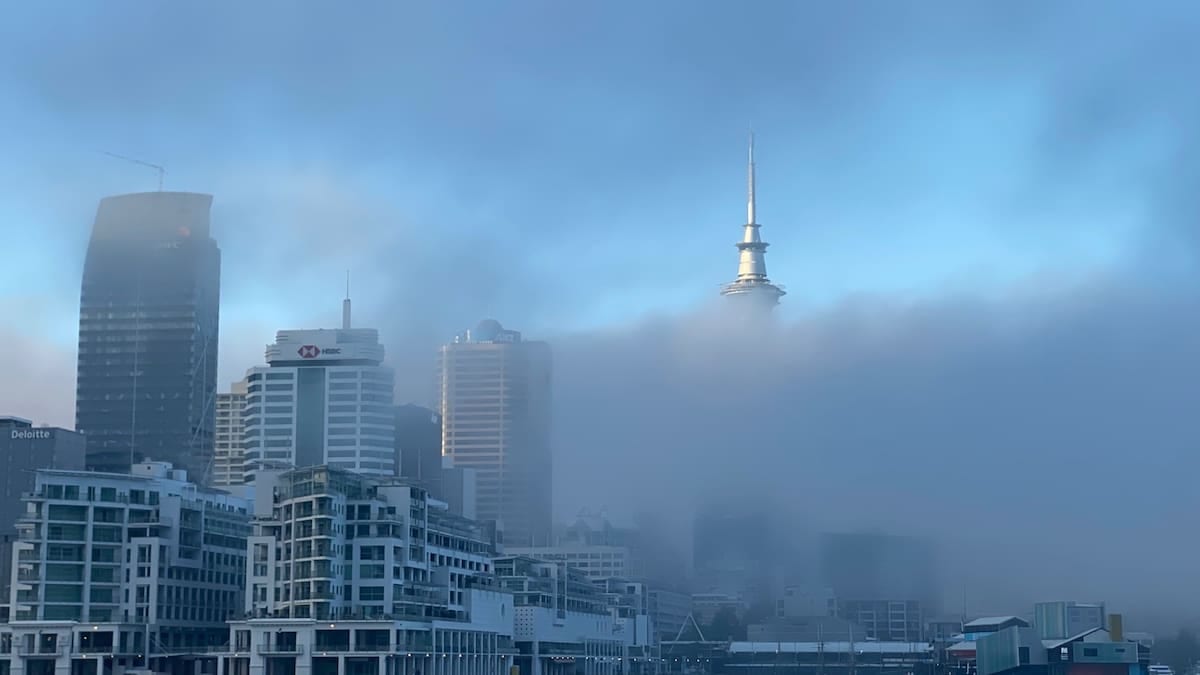
Fog Alerts Issued Across Key Transport Corridors
Publicly available forecasts from national meteorological agencies indicate that dense fog is expected to form during the late night and early morning hours over parts of western Europe and the North Atlantic, while patches of thick mist are also forecast in coastal areas of North America. Visibility in some locations is projected to fall below 200 metres for several hours, particularly around river valleys, low-lying coastal plains and major hub airports.
The timing of the fog formation, coinciding with both morning and evening peak travel periods, is likely to cause complications for commuters and long-distance travellers. When visibility drops rapidly, traffic control centres typically respond by reducing speed limits, increasing separation between vehicles and tightening operational rules for aircraft and shipping movements. These measures tend to keep passengers safe but can quickly lead to queues, missed connections and knock-on delays throughout the day.
While many of the formal weather alerts in effect this week focus on heavy rain, thunderstorms and tropical moisture in the Gulf of Mexico region, forecasters note that the same humid, slow-moving air masses can generate pockets of dense fog where winds ease and skies partially clear. Reports from coastal airports and island destinations in the eastern Atlantic in recent days describe low cloud and fog forcing changes to flight schedules, with some services diverted or cancelled when visibility fell below operational thresholds.
In northern coastal regions and island chains, local travel advisories describe conditions in which ferries, inter-island flights and sightseeing tours are all vulnerable to last-minute changes. Travellers heading to destinations that are prone to rapid weather shifts are being encouraged by operators to monitor forecasts closely and build additional time into their plans.
Airports Prepare for Low-Visibility Operations
Airport operations are particularly sensitive to dense fog, which can affect both arriving and departing traffic. When visibility falls, air traffic managers commonly introduce low-visibility procedures, requiring increased spacing between aircraft on approach and limiting the rate at which departures can be cleared for take-off. This ripple effect can lead to aircraft and crews being out of position for the remainder of the day, extending disruption long after the fog has lifted.
Recent aviation advisories in North America and Europe, issued in response to thunderstorms and low cloud, have already led to ground stops, extended holding patterns and diversions at several major hubs. Those advisories highlight how quickly airport capacity can be reduced when visibility deteriorates or when storm-related cloud bases drop towards runway level. The same operational principles apply when dense fog is the primary hazard, with safety margins tightened and traffic flows restricted.
Industry analysis published this year points to weather as a growing driver of aviation disruption, with low visibility, fog and smoke singled out alongside strong winds and convective storms. Safety publications note that modern navigation aids, including advanced landing systems and on-board instrumentation, allow many flights to operate safely in reduced visibility, but only when both the aircraft and the specific runway are certified and available for such procedures. Where that is not the case, cancellations and diversions remain the primary tools for keeping passengers and crews safe.
Passengers transiting through fog-prone hubs during the early morning hours are being advised by airlines and airport information channels to allow extra connection time, keep a close watch on flight status notifications and be prepared for gate or schedule changes at short notice.
Road and Rail Networks Face Slower Journeys
On the ground, dense fog affects highway and rail operations in different but equally significant ways. Motorway operators typically respond by activating variable speed limits, warning signs and fog lamps to slow traffic and encourage greater spacing between vehicles. Experience from past fog events shows that these measures can reduce the risk of serious multi-vehicle collisions, but they also increase journey times and can cause congestion to build quickly around major junctions and bridges.
Where fog combines with heavy rain or residual surface water from earlier storms, drivers can encounter hazardous conditions, with reduced visibility masking standing water, debris and sudden braking ahead. Recent yellow-level rain warnings issued in parts of western Europe specifically highlight the risk of difficult travelling conditions on the road network, even when visibility is not the primary trigger for an alert. When fog is added to the mix, the likelihood of speed restrictions and accident-related closures rises further.
Rail services are generally less directly affected by reduced visibility, as signalling systems and timetables are designed to operate safely in poor weather. However, dense fog can still slow traffic where manual inspections are required, where trackside equipment needs verification, or where level crossings intersect busy roads. In addition, thick fog can complicate efforts to recover from separate weather-related disruptions, such as flooding or storm damage, by limiting access for engineering teams and making aerial inspections more difficult.
Travel planners in several regions are therefore recommending that passengers check live departure boards before leaving home, pay attention to railway operator updates and consider earlier or later services if morning peak trains are heavily affected by speed restrictions.
Maritime and Coastal Travel Vulnerable to Low Visibility
Dense fog presents particular challenges for maritime and coastal transport, where vessels rely heavily on radar, GPS and visual cues to navigate congested shipping lanes, ports and inland waterways. Recent navigation bulletins for parts of the North Atlantic highlight how even short-lived outages of coastal communication facilities can complicate operations in poor visibility, underscoring the importance of redundancy and up-to-date charting for captains entering or leaving harbour.
Ferry operators commonly adjust schedules or reduce speeds during fog events, especially on routes with narrow channels, strong tidal flows or high volumes of recreational traffic. In island regions that depend on regular ferry links for passengers and freight, these adjustments can have disproportionate effects, delaying deliveries and complicating onward travel plans. Cruise and excursion operators may also modify itineraries at short notice, skipping certain ports or altering timings when visibility makes shore transfers unsafe.
Coastal aviation, including helicopter services to offshore installations and regional commuter flights, is also sensitive to visibility drops. Analysis of recent tropical weather developments in the Gulf of Mexico notes that low cloud, thunderstorms and potential tropical storm conditions have already disrupted some helicopter operations supporting energy infrastructure, even when wind speeds at platforms remain within normal limits. Fog forming along the fringes of such systems can add to the operational complexity.
Travellers planning sea crossings or coastal flights in the coming days are being encouraged by public information channels to remain flexible, keep essential items and documentation readily accessible, and maintain regular contact with operators for the latest sailing and flight information.
Practical Advice for Travellers During Fog Events
As dense fog advisories become more common during the transition from late spring to early summer, travel experts recommend a series of practical steps to reduce disruption. For air passengers, key measures include opting for early-morning departures on the first wave of flights, as these services are often less affected by knock-on delays from earlier weather events, and selecting non-stop routes where possible to minimise missed connections.
On the road, motorists are advised to allow extra time, use dipped headlights rather than high beams in fog, and avoid relying solely on satellite navigation when visibility is severely reduced. Public safety campaigns stress the importance of maintaining greater following distances and resisting the temptation to drive at normal motorway speeds when visibility is compromised, even if the road ahead appears clear in patches.
Rail and ferry passengers can benefit from flexible tickets or reservations that allow changes without penalty, particularly on routes known for weather-related disruption. Travel advisers also point to the value of carrying basic supplies such as water, snacks and charging cables in case of extended waits on platforms, in terminals or aboard delayed services.
Across all modes of transport, the consistent message in current public guidance is that dense fog, while often short-lived, can have outsized impacts on tightly timed travel plans. Staying informed, planning for delays and prioritising safety over speed are being presented as the most effective strategies for navigating the coming period of reduced visibility.