


More news on this day
Air travel through Dallas Fort Worth International Airport remained severely disrupted early Tuesday, even after a weather-related Federal Aviation Administration ground stop was lifted, with inbound flights facing hours of delays and passengers confronting missed connections and last-minute schedule changes.
Get the latest news straight to your inbox!
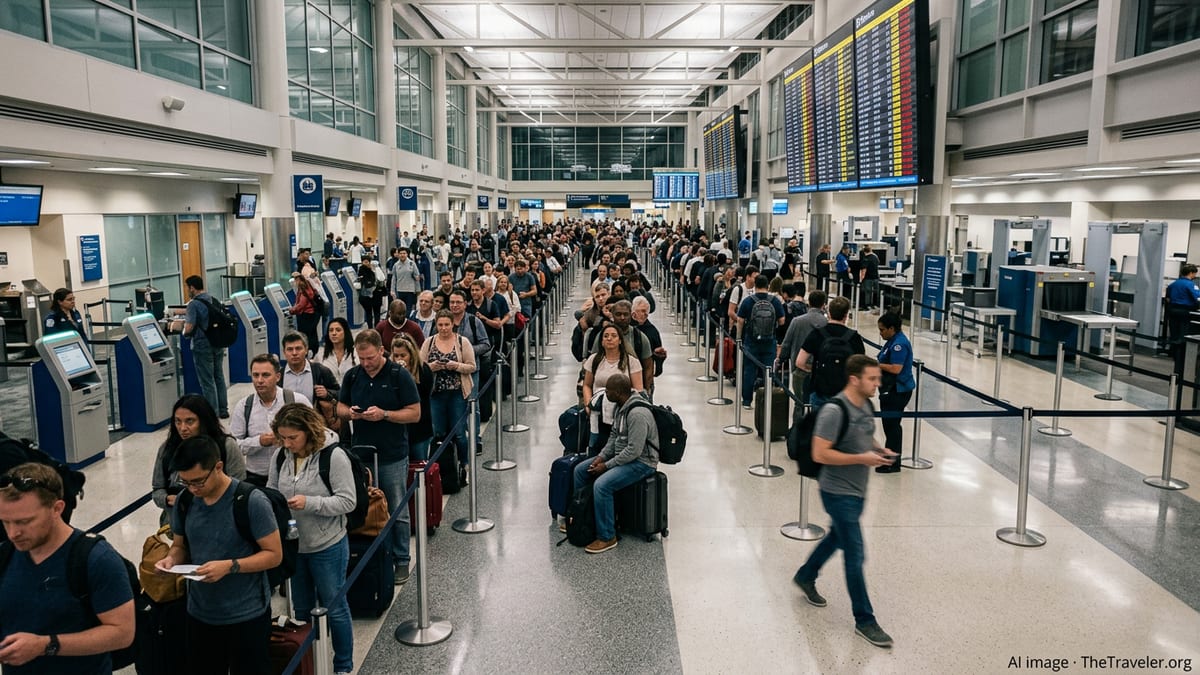
Ground stop ends, but disruptions linger at major Texas hub
According to the FAA’s National Airspace System status information updated in the early hours of September 22, 2026, Dallas Fort Worth International Airport was transitioning out of an overnight ground stop tied to thunderstorms in North Texas, shifting instead to a broader delay program for arriving traffic. Publicly available FAA data showed that while the formal order halting departures bound for DFW from other airports had ended, air traffic managers were spacing arrivals and limiting departure flows because of continuing storm impacts and congestion.
FAA airport status pages for DFW indicated that arrival flights were facing average delays of more than three hours at one point overnight, with departure traffic bound for DFW also posting multi-hour gate hold and taxi delays. Those figures represent averages across all affected flights, meaning some aircraft were moving more quickly while others waited considerably longer to depart or land.
Flight-tracking dashboards for DFW on Tuesday morning reflected the strain, with clusters of late-arriving flights from hubs including Atlanta, Chicago and Denver, along with regional routes from within Texas and neighboring states. The pattern suggested the airport’s tightly timed inbound bank structure had been significantly disrupted, as aircraft waited out weather and traffic-management constraints across the network.
Reports from travelers on social platforms described aircraft holding in the airspace around North Texas, diversions to alternate airports and extended time on the tarmac as operations slowly restarted. These individual accounts aligned with the broad delay picture visible in FAA status summaries and airline schedules.
Weather and system pressures drive rolling delays
Published FAA operational advisories for Monday and Tuesday pointed to thunderstorms across multiple air traffic control centers in the central and southeastern United States, including the sector that covers North Texas. Those advisories indicated that a ground stop or delay program at Dallas Fort Worth was possible throughout Monday afternoon and evening as storms moved through, a scenario that ultimately materialized and carried into the overnight period.
Separate ground stops and ground delay programs had already affected several major airports in the Northeast on Monday because of equipment and telecom issues, according to coverage from national and aviation trade outlets. While those outages were distinct from the weather-driven constraints in Texas, the combination underscored how quickly U.S. airspace can become congested when multiple chokepoints emerge in different parts of the country.
Industry reporting on past disruption days shows that when a hub such as DFW is constrained, the largest carrier at the airport faces particular pressure to reshuffle aircraft and crews. Publicly accessible scheduling data on Tuesday showed widespread delays on American Airlines and its regional partners, which use Dallas Fort Worth as a primary connecting point, as well as disruptions for other domestic and international carriers that rely on the airport for key transcontinental and long-haul links.
Historical data from U.S. Department of Transportation consumer reports illustrates how weather-related ground stops and delay programs at big hubs can quickly translate into multi-hour tarmac waits and missed connections. Earlier in 2026, several flights into and out of DFW were among the nation’s longest recorded tarmac delays on bad-weather days, highlighting how sensitive the hub is to storms in peak periods.
What travelers connecting through DFW can expect today
By early Tuesday, publicly available schedules and delay boards suggested airlines at DFW were in the process of rebuilding their operations, but with a large volume of aircraft and crew still out of their planned positions. That dynamic often leads to rolling delays across the day, as late-arriving inbound aircraft pass disruption along to subsequent departures.
Travel industry analysis indicates that passengers scheduled to connect through Dallas Fort Worth on September 22 should be prepared for potential last-minute gate changes, tighter connection times and, in some cases, same-day rebooking or unplanned overnight stays. Airlines commonly prioritize getting aircraft and crews back into place for later bank structures, which can result in selective cancellations earlier in the day to preserve the broader network.
Public guidance from federal transportation agencies stresses the importance of monitoring both airline and FAA information streams when a hub airport has recently come out of a ground stop. Checking an individual flight’s status directly with the carrier, then cross-referencing the FAA’s current listing for delays or traffic management programs at the origin and destination, can provide the clearest sense of whether to head to the airport or adjust plans.
Travelers facing significant disruptions may be able to make use of airlines’ irregular-operations policies, which can include fee-free changes, rebooking on alternative routings or, in some cases, hotel or meal vouchers. The exact options depend on the carrier, the length and cause of the delay, and the fare type purchased, so passengers are encouraged to review policy language and app notifications closely.
Ripple effects across the national network
As one of the busiest connecting hubs in the United States, Dallas Fort Worth plays an outsized role in domestic and international itineraries. When thunderstorms or other constraints trigger a ground stop there, ripple effects can quickly spread to smaller airports hundreds or even thousands of miles away that depend on DFW for onward connections.
On Tuesday morning, FAA summaries and airline schedules indicated that some departures from cities such as Austin, Houston, Oklahoma City and New Orleans were operating with extended delays when their destination was DFW, while other flights to different hubs were closer to schedule. Similar patterns appeared on certain long-haul transcontinental and international routes that rely on inbound aircraft and crews flowing through North Texas.
Aviation analysts note that these network effects can persist even after the formal ground stop has been lifted and average delay figures begin to improve. Aircraft and crews must be repositioned, maintenance windows rescheduled and crew duty-time limits respected, all of which can require airlines to cancel select flights or combine services to restore balance to the network.
For travelers, that can mean residual disruptions continuing into the evening of the same day and, in some cases, into the following morning, especially on routes served only a few times per day. Passengers booked later in the week are less likely to feel direct impacts from Tuesday’s storms, but those on tightly timed business or international trips may still wish to monitor schedules for any rolling adjustments.
Practical tips for navigating delays at Dallas Fort Worth
Consumer travel guidance built around past disruption events at DFW and other large hubs highlights several practical steps for passengers dealing with major delay days. The first is to rely on an airline’s official app or website as the primary source of truth on flight status and rebooking options, updating frequently as conditions change. Apps often provide self-service tools to change flights, join standby lists or request digital meal vouchers when delays reach certain thresholds.
Another recommended strategy is to think in terms of routing flexibility rather than focusing solely on the original itinerary. On days when inbound flights to DFW are heavily delayed, it can sometimes be more efficient to connect through another hub if the airline is willing to rebook that way. Travelers on complex itineraries, such as international trips or journeys involving separate tickets, may benefit from contacting airline customer service or visiting a staffed service desk inside the terminal to explore alternative routings.
Finally, travel-planning experts suggest building additional buffer time into future itineraries that depend on DFW during the late-summer and early-autumn storm season. Choosing slightly longer connection windows, avoiding the last flight of the day on critical legs and keeping essential items in carry-on luggage rather than checked bags can help reduce the impact when ground stops and delay programs disrupt the schedule.
With the latest ground stop lifted but a substantial backlog of delayed arrivals still working through the system, travelers heading into or out of Dallas Fort Worth on Tuesday face a challenging day. Close attention to live status updates and a willingness to adjust plans remain the most effective tools for keeping trips on track.