


More news on this day
As record-breaking heat waves sweep across key aviation hubs, airlines are increasingly delaying or reconfiguring flights because aircraft cannot safely take off at high temperatures, highlighting how climate extremes are reshaping the travel experience.
Get the latest news straight to your inbox!
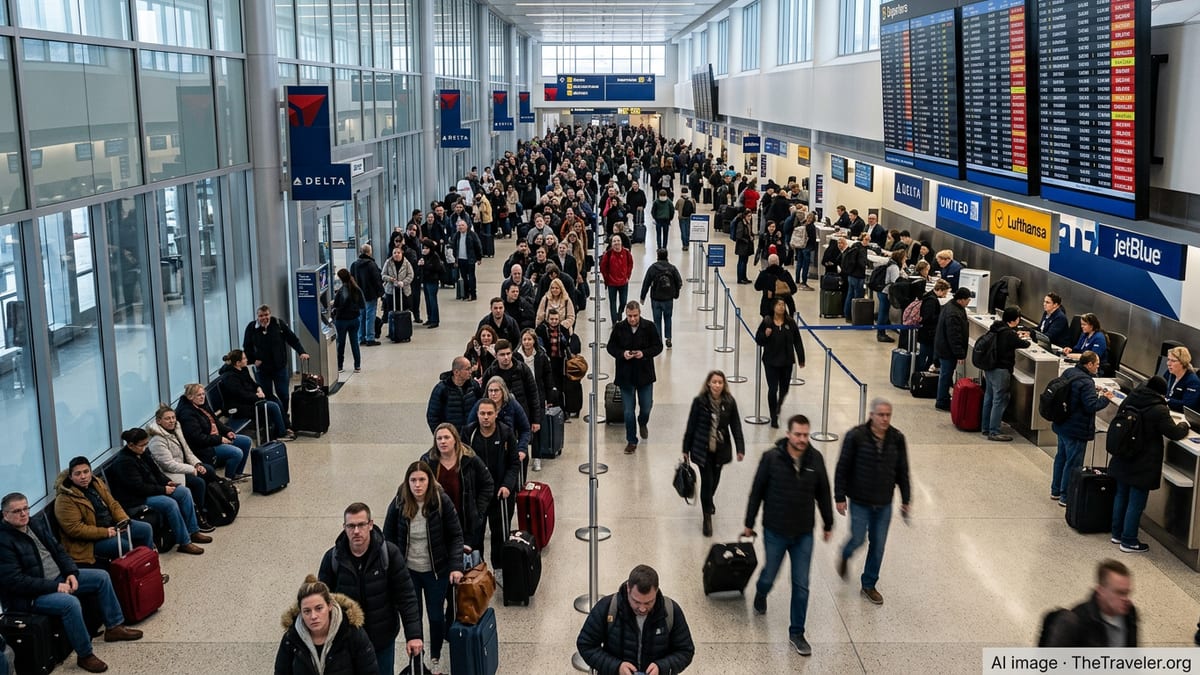
When Temperatures Rise, Aircraft Performance Falls
High temperatures reduce air density, making it harder for aircraft wings and engines to generate the lift and thrust required for takeoff. Publicly available technical material from aviation regulators and manufacturers explains that pilots calculate takeoff performance using a combination of aircraft weight, runway length, airport elevation and outside air temperature. As the air gets hotter and thinner, aircraft need more runway or less weight to achieve a safe climb-out.
At busy commercial airports, those physics translate into tough operational choices. When a runway cannot be extended and terrain or airspace restrictions limit climb paths, airlines may have to delay departures until the temperature drops, schedule technical fuel stops, or ask passengers to volunteer for later flights so that aircraft can depart lighter. These measures, once considered relatively rare, are being reported more often during prolonged heat waves in regions such as the southwestern United States and the Middle East.
Industry guidance notes that so-called “hot and high” conditions, where high temperatures combine with high-elevation airports, are particularly challenging. Airports like Phoenix, Denver, Mexico City and certain Middle Eastern hubs already operate in relatively thin air because of elevation, meaning it takes a smaller temperature increase to push aircraft close to their certified performance limits.
Heat Waves Turn Into Travel Disruptions
Recent heat waves across North America, Europe and parts of Asia in 2024 have coincided with spikes in weather-related schedule disruptions. Air travel consumer data published by the United States Department of Transportation show that extreme weather continues to account for a measurable share of delays and cancellations across major carriers, with summer months showing particular sensitivity as temperatures and thunderstorm activity peak.
While extreme weather includes a broad range of phenomena, from severe storms to winter snow, reports from major travel hubs indicate that intense heat is becoming a more prominent culprit. In several high-profile episodes, departing flights in cities such as Las Vegas and Phoenix have been held at the gate or required extra fuel stops because the combination of high temperature, full passenger loads and long routes left insufficient performance margins for a non-stop takeoff.
Academic research into delay patterns has also begun to isolate weather as a structural driver of aviation disruption. Studies using large datasets of flight operations and passenger movements have found that extreme weather events can cause cascading delays throughout airline networks, as a single heat-constrained departure can ripple into missed connections and late-arriving aircraft at other airports.
Operational Workarounds: Lighter Loads and New Schedules
To keep flights moving during heat waves, airlines and airports are turning to a mix of operational tactics. One of the most common responses is weight reduction, which can involve offloading baggage, limiting cargo, adjusting fuel loads with planned refueling stops, or seeking volunteers to take later flights. Publicly reported incidents show that these weight cuts are often enough to restore safe takeoff margins when temperatures are near record highs.
Scheduling is another powerful tool. Airlines increasingly concentrate departures from heat-prone airports during early morning or late evening hours, when temperatures are lower. Long-haul flights from high-altitude or desert locations are often timed to depart during these cooler windows specifically to avoid the need for severe weight restrictions. In some regions, airports have redesigned runway use or optimized taxi and departure flows to minimize the time aircraft spend idling in extreme heat.
Ground systems are also under pressure. Extreme heat can stress airport power supplies, air conditioning systems and fueling infrastructure, contributing to longer turnaround times and compounding airborne delays. Publicly available airport planning documents show that several major hubs are evaluating improvements to cooling systems, pavement resilience and ground power capacity as part of broader climate adaptation strategies.
Climate Change and the Future of Air Travel Reliability
Climate and environmental agencies warn that episodes of extreme heat are becoming more frequent, longer lasting and more intense in many regions. Recent assessments describing unprecedented temperatures in parts of North America, South Asia and the Arabian Peninsula indicate that conditions once considered exceptional are occurring more often, particularly during peak travel seasons.
International aviation organizations have begun to highlight heat as a growing operational risk alongside storms, flooding and sea level rise. Technical summaries note that rising average temperatures can narrow the safe operating envelope for certain aircraft at specific airports, especially where runways cannot be lengthened or terrain limits departure paths. Over time, this could force adjustments in fleet planning, route structures and airport design.
For passengers, this trend is likely to translate into more frequent schedule changes on the hottest days. Travelers may see greater emphasis on early-morning departures from heat-prone cities, more conservative booking buffers for tight connections during summer, and occasional requests to switch flights when conditions leave little room for fully loaded aircraft to depart safely.
Industry Responses and Passenger Expectations
Aviation experts are increasingly describing extreme heat as a predictable, if still evolving, challenge rather than a rare anomaly. Public commentary from airline and airport representatives suggests that the sector is incorporating heat-related constraints into everyday planning, from crew scheduling to aircraft assignment. This includes matching more capable aircraft types to demanding routes and building in additional fuel or time buffers on days when the forecast calls for extreme temperatures.
Manufacturers, for their part, continue to refine aircraft designs and performance data to address operations in hotter climates. Newer-generation jets generally offer better fuel efficiency and, in some configurations, stronger takeoff performance than older models, which can help offset some of the pressure created by rising temperatures. However, physical limits on lift and thrust mean that operational tools such as weight management and schedule adjustments will remain essential.
For travelers, understanding that heat can be as disruptive as snow or storms may help reset expectations during peak summer months. When flights are held back on the tarmac or bags are left behind to reduce weight, it is often a direct response to quantified performance calculations rather than ad hoc decision-making. As climate patterns evolve, the intersection of extreme heat and aviation is poised to remain a significant storyline for global travel, influencing everything from airport master plans to the timing of holiday departures.