


More news on this day
Searing temperatures in Las Vegas are once again testing the limits of commercial aviation, with recent extreme heat at Harry Reid International Airport prompting flight delays, weight restrictions and calls for passengers to change travel plans.
Get the latest news straight to your inbox!
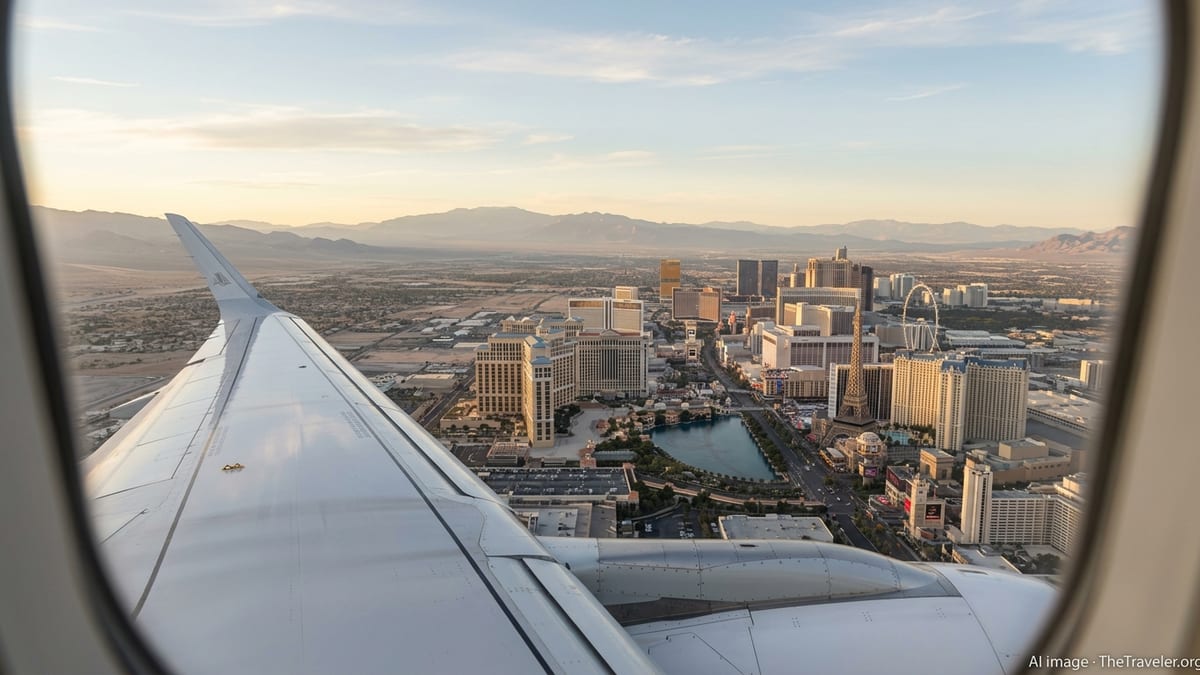
Heat Wave Pushes Aircraft Performance to the Edge
Recent reports from Las Vegas highlight how a prolonged heat wave is disrupting air travel, particularly at Harry Reid International Airport. Local coverage indicates that during the final weekend of July 2026, temperatures climbed well into the triple digits, coinciding with multiple delayed departures and at least one flight where dozens of passengers were asked to voluntarily leave the aircraft before takeoff.
Publicly available information from airlines and aviation agencies explains that such measures are a direct response to physics rather than scheduling decisions alone. As air temperatures rise, the air becomes less dense, reducing both engine thrust and the amount of lift wings can generate. At airports like Harry Reid, which already sits at roughly 2,000 feet in elevation, extreme heat can push the “density altitude” far higher than the actual field elevation, forcing crews to reduce weight or alter departure plans.
Technical guidance from aviation regulators notes that while federal authorities do not ground flights solely because of temperature, each aircraft type is certified with performance charts that specify maximum allowable weight for given temperature and runway conditions. When desert heat pushes readings to near-record levels, crews must either cut weight, schedule departures during cooler parts of the day, or modify routes to allow for safer climb performance.
Local meteorological data show that Las Vegas has experienced an unusually hot start to 2026, with the region flirting with or surpassing several early-season temperature records at Harry Reid International Airport. This trend follows a broader pattern of hotter summers in the Mojave Desert, where the city previously tied its all-time record high of 120 degrees Fahrenheit at the airport during a July 2024 heat wave.
Passenger Offloads and Schedule Changes Highlight Impacts
The most visible consequence for travelers has been last-minute changes at the gate. According to recent broadcast reports from Las Vegas, one flight departing Harry Reid over the latest hot weekend required more than 30 passengers to leave the aircraft so it could depart within safe weight limits. In other instances, travelers described being asked to take later flights or accept travel vouchers after midday departures became constrained by soaring temperatures.
Online accounts from passengers and aviation enthusiasts indicate that weight restrictions have become a seasonal reality on certain long-haul and fully booked flights departing Las Vegas in the hottest part of the afternoon. When temperatures climb, aircraft may be unable to depart with full fuel loads, all checked baggage and every passenger. Airlines then face a choice between offloading luggage, offloading passengers or delaying until conditions improve.
These decisions can cascade through already busy summer schedules. Harry Reid International Airport has framed the 2026 warm season as one of heavy travel demand, echoing a broader national trend toward record passenger volumes. When an individual aircraft must sit at the gate longer than planned, or requires additional ground handling to remove baggage and rebook travelers, the ripple effects can extend to subsequent flights and connecting hubs.
Airport travel advisories emphasize that many disruptions seen by passengers as “delays” are, in fact, protective measures taken to keep operations within certified safety margins. Airlines are required to prioritize safe takeoff performance over schedule convenience, particularly during periods when high temperatures coincide with strong winds, afternoon turbulence or nearby thunderstorm activity.
How Airlines and Airport Operators Adapt to Rising Temperatures
Harry Reid International Airport has detailed in its public-facing materials that Las Vegas’ climate presents distinct operational challenges during the summer months. The airport notes that it works with airline partners and federal air traffic services to adjust runway usage and departure patterns when heat and demand combine to stress the system. In some cases, traffic may be routed along paths that avoid nearby mountainous terrain and allow aircraft more time and distance to climb in thinner air.
Inside the terminal, the airport has invested in infrastructure aimed at improving comfort and mitigating some effects of the heat. Information from the airport’s news releases points to expanded shading, upgraded cooling systems and high-volume, low-speed fans that assist air circulation in crowded gate areas and tram stations. While such measures do not change the physical limitations aircraft face at takeoff, they play a role in keeping travelers safer and more comfortable as they navigate longer waits.
Airlines, for their part, increasingly plan schedules with high summer temperatures in mind. Industry guidance indicates that carriers may favor earlier morning or late-night departures from heat-prone airports for their heaviest aircraft and longest routes. Some operators also build seasonal buffers into their timetables, anticipating that midday departures during peak heat may need additional time or face higher risk of delay.
Operational reports further show that ramp workers, maintenance crews and ground handlers must also adapt. High pavement temperatures can make tarmac environments significantly hotter than recorded air temperatures, prompting additional rest breaks, hydration protocols and modified work practices to protect staff. These worker safety measures can lengthen turnaround times during the most intense heat of the day.
What Travelers Using Harry Reid Airport Should Expect
Travel information provided by the airport encourages passengers flying during peak summer to build additional time and flexibility into their plans. Morning departures are often recommended for travelers concerned about weather-related disruptions, since both temperatures and thunderstorm risk tend to be lower in the earlier hours. Booking nonstop routes where possible can also reduce the chance that a single weight-restricted departure will cause missed connections later in the day.
Travelers are also urged to monitor airline notifications closely in the days and hours before departure. As heat waves develop or intensify, carriers may proactively rebook some passengers, allow free changes to alternative flights, or adjust aircraft assignments to better match performance to conditions. Checking in early, confirming seat assignments and arriving at the airport well before scheduled boarding times can provide more options if a flight becomes oversold or weight restricted.
Public health agencies in Southern Nevada have simultaneously warned that early-season extreme heat can catch visitors off guard. Guidance from local health and emergency management offices stresses staying hydrated, limiting outdoor exposure when possible and recognizing signs of heat-related illness. For air travelers, that can mean seeking shaded or air-conditioned areas when outside at curbside pickup, rideshare zones or remote parking shuttles.
With more record-challenging summers likely ahead, aviation observers expect extreme heat to remain a recurring operational challenge at desert airports such as Harry Reid. For now, passengers can expect that on the hottest days of the year, safe departures may come with trade-offs in the form of lighter loads, altered schedules and, in some cases, the need to leave a few seats empty so aircraft can safely climb away from the Las Vegas Valley.
Broader Questions About Climate and Aviation Resilience
The disruptions playing out at Harry Reid International Airport highlight a broader conversation in the aviation sector about how long-term warming trends may affect flight operations. Studies and policy discussions have pointed to increasing frequency and intensity of heat waves across the American Southwest, raising questions about the capacity of existing infrastructure and schedules to cope with hotter conditions.
Industry analysts note that while aircraft can operate safely across a wide range of temperatures, more days near absolute performance limits translate into more frequent weight restrictions, additional fuel stops and shifting demand toward flights scheduled at cooler times. Over time, this may influence how airlines allocate aircraft types to desert hubs, how airports design runways and taxiways, and how travelers perceive the reliability of summer schedules.
In Las Vegas, where the airport is a critical gateway for tourism, conventions and regional commerce, the balance between maximizing capacity and respecting environmental constraints is becoming increasingly visible. Episodes of passengers being asked to deplane for weight reasons, or of flights waiting for temperatures to subside before departure, now sit alongside familiar images of crowded casinos and packed entertainment venues as part of the city’s summer narrative.
For travelers planning trips through Harry Reid International Airport during the hottest months, the emerging lesson is straightforward: triple-digit desert heat can affect more than comfort on the curbside. As the latest wave of weight-restricted departures and delayed flights demonstrates, it can shape whether planes are able to take off at all, and how many people and bags can come along for the ride.