


More news on this day
Orlando-bound cruise passengers are being urged to build in extra time on Sunday as Port Canaveral prepares for a rare five-ship turnaround that is expected to compress disembarkation and highway transit windows, increasing the risk of missed flights at Orlando International Airport.
Get the latest news straight to your inbox!
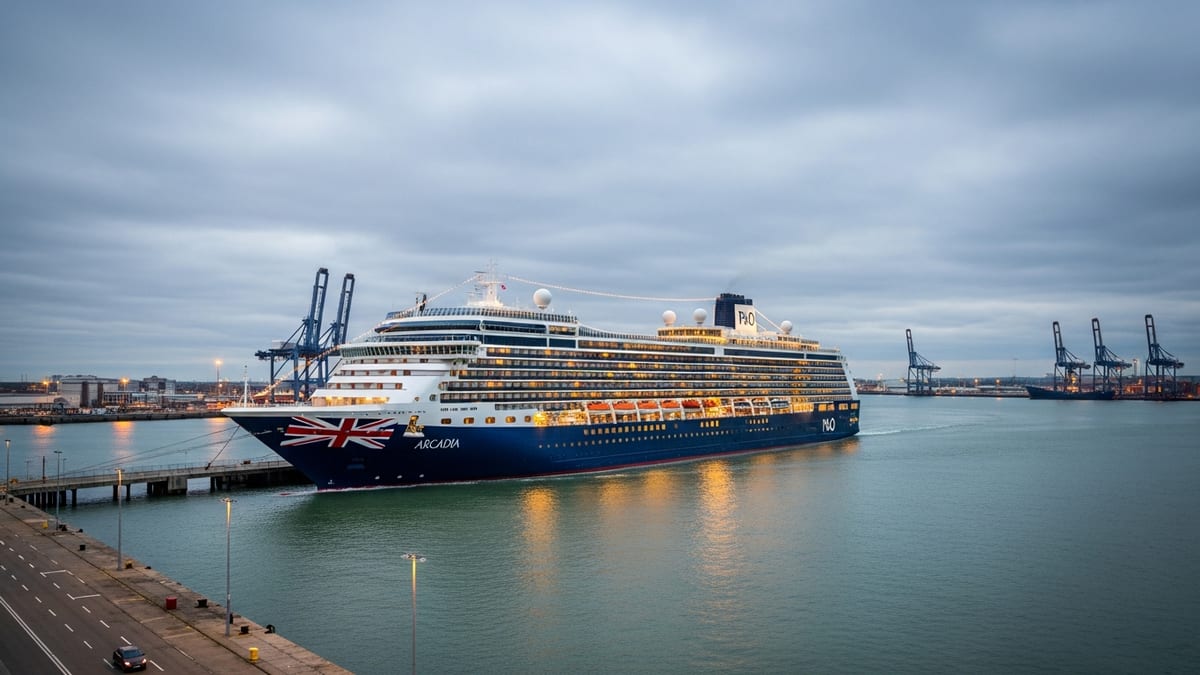
Five Turnarounds, Tight Windows
Port Canaveral’s master cruise schedule for late July shows five major ships conducting turnarounds on an upcoming Sunday, stacking arrivals from around 6:00 a.m. and departures through late afternoon. The lineup includes some of the port’s highest-capacity vessels, with several ships scheduled to begin embarkation for new sailings on the same day they offload thousands of disembarking passengers.
Turnaround days typically create the heaviest strain on terminal and roadway capacity, but multiple large-ship operations on the same Sunday further compress the time available for baggage handling, customs processing, and ground transportation staging. Publicly available cruise itineraries indicate that these ships are planned to dock within a relatively narrow early-morning window, amplifying overlap as departing guests and new arrivals converge on the port.
Port Canaveral’s published materials emphasize continued investment in cruise terminals and new parking infrastructure to manage growing traffic volumes. However, the combination of rising passenger counts and closely timed ship calls means that even minor delays in docking, gangway setup, or luggage delivery can ripple quickly through transfer schedules for travelers heading to Orlando airport.
Travel advisories from cruise-focused outlets note that similar multi-ship days in past seasons have led to longer waits at security checkpoints, port exit lanes, and ride-share pick-up areas, even when ships are operating on schedule. The upcoming five-ship Sunday raises concerns that the same patterns could reappear, particularly during peak morning departure hours.
Highway Bottlenecks Between Port and Airport
The primary road link between Port Canaveral and the Orlando metro area, State Road 528, already experiences congestion spikes on heavy cruise days. Port guides and transport operators describe multi-ship Saturdays and Sundays as frequent triggers for slowdowns along the Beachline Expressway, where a mix of cruise shuttles, private cars, charter buses, and ride-share vehicles compete for space.
On a five-ship turnaround Sunday, the surge of morning traffic leaving the port is expected to coincide with weekend leisure travel and routine airport demand at Orlando International Airport. This creates a compressed window for passengers with late-morning or early-afternoon departures, especially those who have booked flights leaving within only a few hours of their scheduled ship arrival.
Ground transportation providers serving the port outline recommended flight cutoffs that assume relatively smooth disembarkation and highway conditions. Some same-day shuttle services advise that passengers depart the port no later than mid-morning to comfortably reach Orlando airport for early afternoon flights. On days when traffic stalls on SR-528, these assumptions can quickly break down.
Reports from recent high-volume cruise weekends in Central Florida highlight how a minor incident, lane closure, or heavy rain on the Beachline can significantly lengthen travel times. With all five ships expected to funnel thousands of guests onto the same roadway corridor, travelers with tight flight connections could see their margin of error eroded by factors beyond their control.
Shuttle Capacity and Timing Pressures
Shared shuttle operators that connect Port Canaveral terminals with Orlando International Airport typically schedule multiple departure waves tied to cruise disembarkation patterns. Company guidance for same-day transfers often encourages guests to allow several hours between their planned port departure and flight time, based on historical traffic and processing norms.
On five-ship Sundays, however, shuttle staging zones and loading areas can become bottlenecks of their own. With several thousand guests attempting to board buses in overlapping time frames, even well-planned timetables may encounter queues and dwell times longer than usual. Some providers emphasize that last-minute bookings at the port or airport are subject to capacity limits, which can matter more on abnormally busy days.
Travel information published by regional operators specifies that same-day airport-to-port shuttles must be booked by early afternoon cutoffs to ensure alignment with cruise boarding windows. For return transfers from port to airport, those constraints effectively invert: if a ship’s disembarkation is delayed, passengers may find themselves pushed into later shuttle waves than planned, leaving less buffer before check-in closes for afternoon flights.
Private transfers, taxis, and ride-share options remain alternatives, but cruise port guides note that surge pricing and extended wait times are common when multiple mega-ships unload simultaneously. Travelers who wait to arrange transport until after clearing the terminal on a five-ship Sunday may discover reduced flexibility and higher costs, further complicating time-sensitive airport connections.
What the Port’s Planning Signals for Travelers
The Canaveral Port Authority’s operational rules and tariff documents describe a framework aimed at maintaining safe and efficient ship movements, particularly when multiple vessels are maneuvering in the harbor. These policies, along with investments in expanded terminal facilities, suggest an expectation of sustained or growing cruise volumes and more frequent multi-ship days in the years ahead.
Publicly accessible port information underscores that noncompliance with ground transportation procedures can place both the port and traveling public at risk, highlighting the importance of orderly staging of buses, shuttles, and commercial vehicles. On a compressed five-ship Sunday, adherence to these rules becomes more critical as operators work within finite curb space and security-screened areas.
Analysts following the Central Florida cruise market note that Port Canaveral has rapidly evolved into one of the world’s busiest homeports, attracting the newest and largest vessels from several major lines. As capacity grows, the alignment between ship schedules and airport operations in Orlando gains strategic importance for the region’s tourism ecosystem.
For passengers, the immediate implication of the latest mapped five-ship Sunday is clear: same-day transfers from cruise terminal to Orlando International Airport carry elevated risk if flight times are booked too close to scheduled docking. While the operations are expected to proceed under established port protocols, travelers are being advised by industry observers to budget additional time, consider later flight options, and remain alert to updated guidance from their cruise line and transport providers as the busy Sunday approaches.