


More news on this day
Travelers at John Glenn Columbus International Airport faced a difficult day as six Delta Air Lines and American Airlines services were cancelled, triggering rolling delays and missed connections on some of the airport’s busiest domestic and transborder routes.
Get the latest news straight to your inbox!
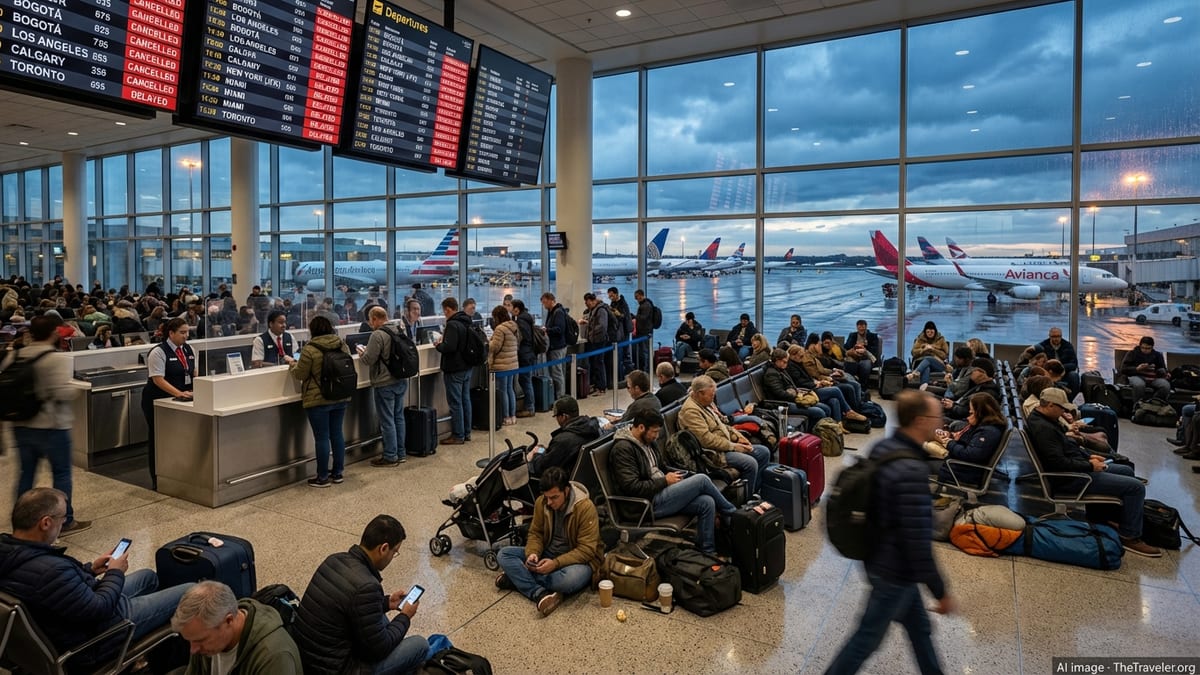
Key Cancellations Hit Busy US and Canada Connections
According to live schedule and tracking data, the six scrubbed flights were concentrated on high-demand routes linking Columbus with major hubs in the United States and Canada. Multiple services to large connecting cities were removed from departure boards, disrupting itineraries for travelers heading onward to the East Coast, the West Coast, and cross-border destinations.
Publicly available information shows that Delta’s cancellations primarily affected services feeding into its key hub network, including flights scheduled to connect Columbus passengers to larger banks of departures later in the day. American’s cancellations were focused on routes that typically move business travelers and leisure passengers to major connecting gateways, compounding pressure on already tight summer schedules.
The loss of six departures in a single operating window is a significant shock for an airport the size of Columbus, where each mainline or regional service is closely tied to onward connectivity. Travelers booked to Canada and secondary US cities through hubs such as New York, Chicago, Dallas and Atlanta were among those most exposed to missed connections and lengthy rerouting.
Reports from flight-status platforms indicate that several of the cancelled services would normally depart during peak morning and early evening waves, amplifying the impact on passengers trying to begin or end multi-leg journeys on the same day.
Knock-on Delays, Missed Connections and Overbooked Alternatives
While six cancellations may appear modest in isolation, the knock-on effects quickly multiplied across the network. With most June flights already operating near capacity, rebooking options out of Columbus were limited, and many passengers were pushed onto later departures or alternative routings via secondary hubs.
Travel data providers tracking real-time performance showed an uptick in departure delays on remaining Delta and American flights at Columbus as ground teams worked to consolidate passengers, adjust crew pairings, and reposition aircraft. Some services departed significantly later than scheduled, adding further strain for travelers with tight layovers at downstream hubs.
For those connecting to cross-border services into Canada, the disruption was particularly acute. Passengers who missed transborder departures from US hubs often faced overnight stays or long daytime layovers before the next available flight, especially on routes that operate only once or twice daily.
Travel advisors note that disruption of this kind can cascade well beyond the originating airport. When multiple flights are cancelled at a spoke city like Columbus, the ripple extends to connecting hubs, where standby lists grow, upgrade space disappears, and gate areas become crowded with displaced travelers seeking any available seat.
Operational Strains Add to a Difficult Summer Start
The latest round of Columbus cancellations comes as US carriers navigate a challenging start to the summer travel season, with persistent staffing constraints, aircraft availability issues, and volatile weather patterns all contributing to operational stress. Recent disruptions at other major airports show that even limited cancellations can snowball into widescale delays when schedules are tightly wound and fleets are operating near full utilization.
Industry coverage in recent weeks has highlighted a series of regional flashpoints where concentrated cancellations by major carriers triggered severe local disruptions, echoing the situation now seen in Columbus. Analysts point to a combination of thin staffing buffers, complex crew scheduling rules, and congested airspace as factors that leave airlines with little margin when irregular operations occur.
For Delta and American in particular, maintaining reliability at spoke airports such as Columbus is critical to protecting their broader hub-and-spoke networks. When feeder flights cancel, entire chains of onward connections can break, leading to mispositioned crews and aircraft and adding further strain to an already tight system.
Travel data from previous summers suggests that such localized disruptions are more likely to occur during peak travel periods, when high passenger demand coincides with increased storm activity and air-traffic flow restrictions, especially in the eastern half of the United States.
What Travelers Through Columbus Are Experiencing
Passengers traveling through Columbus during the disruption encountered long customer-service lines, busy rebooking desks, and crowded seating areas as they waited for updated information on alternative flights. With six cancellations affecting a mix of origin-and-destination and connecting travelers, many itineraries required complete redesign, including changes to routing, overnight stays, or shifts to other airlines.
Travel forums and social media posts describing the day’s events refer to confusion around departure gate changes, last-minute cancellations following earlier delays, and uncertainty over baggage handling for those who were rebooked onto different routings. Some travelers also reported difficulties in securing hotel vouchers and meal support as they navigated the changing situation.
Publicly accessible guidance from travel-insurance providers and passenger-rights organizations stresses that disruptions of this kind can have an outsized impact on families, large groups, and travelers with fixed schedules such as cruises, tours, or major events. These passengers often have fewer options to shift their plans when long delays or missed connections occur.
For Columbus residents returning home, the cancellations translated into extended waits in other cities as they sought open seats back to Ohio. For visitors, the disruption often meant an unplanned extra night in the region or a change in their onward plans across the United States and Canada.
Tips for Navigating Ongoing Disruptions at Columbus
With Delta and American still operating busy schedules through Columbus, travel specialists recommend that passengers keep a close eye on their flights in the coming days and weeks. Many airlines enable travelers to monitor and manage bookings via mobile apps that provide real-time updates, seat availability on alternative flights, and options for same-day changes when schedules are disrupted.
Experienced travelers advise arriving at the airport earlier than usual during periods of operational strain, especially when flying on early-morning or late-evening departures. Extra time can help mitigate the impact of long check-in lines or security queues and provide a buffer if last-minute schedule changes require a rapid trip to a different gate or terminal area.
Rebooking strategies are also important when widespread disruptions occur. Passengers are often encouraged to consider alternative routings to nearby airports in the same region if nonstops are unavailable, particularly when heading to large metro areas that are served by more than one airport. While this can mean a longer drive at the end of the journey, it may significantly reduce the overall delay.
For those with critical travel plans involving major events, international connections, or cruises, publicly available advice from consumer advocates suggests planning to arrive at the departure city at least a day early during the busy summer season. In an environment where a cluster of cancellations at an airport like Columbus can reverberate across multiple days, building in extra time can be a valuable safeguard.