


More news on this day
Saudi Arabian low cost airline flyadeal has opened a new chapter in Saudi Arabia–India connectivity with the launch of five weekly flights between Riyadh and Mumbai, adding fresh budget capacity on one of the Gulf region’s busiest corridors.
Get the latest news straight to your inbox!
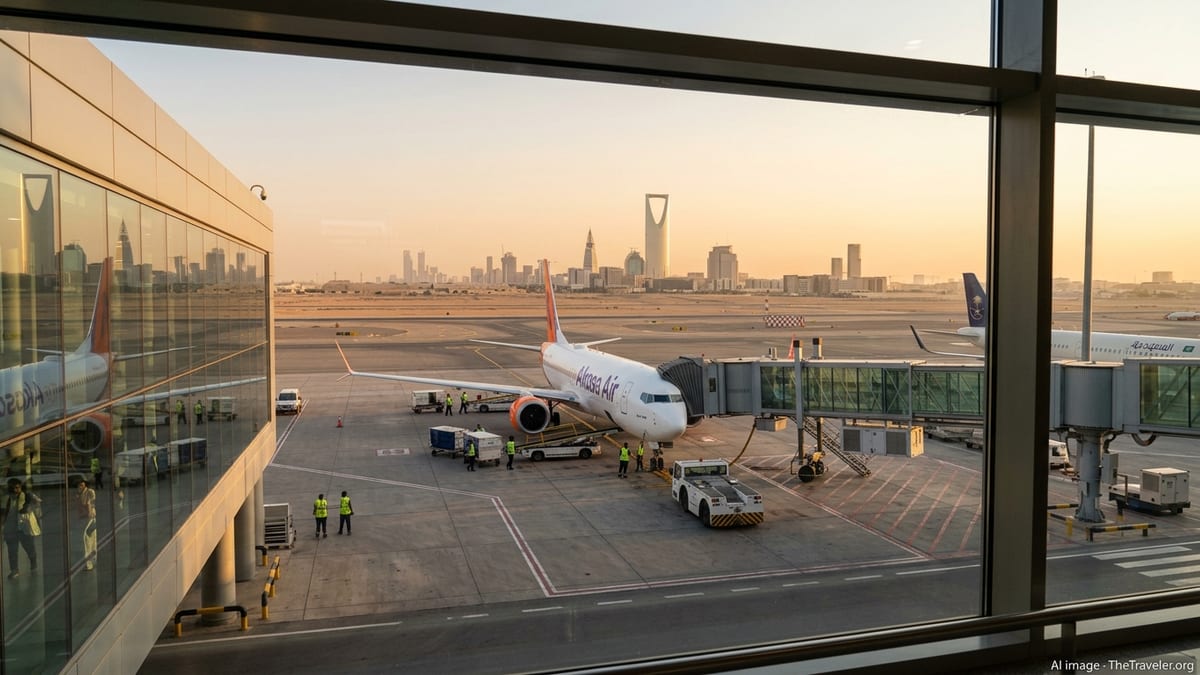
New Low Cost Link Between Riyadh and Mumbai
The new service connects King Khalid International Airport in Riyadh with Chhatrapati Shivaji Maharaj International Airport in Mumbai, two of the region’s most heavily trafficked hubs for business and visiting friends and relatives travel. Publicly available schedule data indicates that the route is being operated with narrowbody aircraft typical of flyadeal’s all Airbus A320-family fleet, positioning the carrier to compete primarily on price and frequency.
Industry timetables show that flyadeal’s five weekly rotations add to an already crowded Riyadh–Mumbai market served by full service and low cost operators from both countries. The Saudi carrier is targeting cost-conscious passengers with point-to-point itineraries, relying on its simplified product, paid extras and digital sales channels that mirror its existing short and medium haul network model.
The new operation follows earlier indications from the airline that India would be a key focus of its first wave of international expansion. Trade and travel media coverage over the past year has highlighted flyadeal’s interest in major Indian metros, with Mumbai and Delhi frequently cited among likely launch destinations as the carrier sought regulatory approvals and airport slots.
Five Weekly Services Designed Around Peak Demand
Schedule information available through global booking platforms suggests the Riyadh–Mumbai route is operating five times per week, a level that allows flyadeal to test demand while still offering regular connectivity for business trips and extended weekend stays. The pattern also gives the airline room to adjust frequencies as the market responds and as competitive dynamics evolve.
Flight times of around four and a half hours place the service firmly in the medium haul category, well within the capabilities of flyadeal’s single-aisle aircraft. This enables the airline to maintain high aircraft utilization by turning jets quickly on both ends of the route, a key factor in sustaining the low cost model and supporting competitive fares.
Observers note that a five-times-weekly schedule can be an effective compromise between daily service and more limited operations, especially when a new entrant is joining an already busy sector. It gives passengers multiple options each week without forcing the carrier to commit immediately to the cost of a daily rotation, while still building brand presence in both markets.
Saudi–India Air Corridor Continues to Expand
The addition of flyadeal’s Riyadh–Mumbai flights comes as air traffic between Saudi Arabia and India continues to grow, driven by labor flows, trade links, religious tourism and increasingly leisure travel. Data published by aviation analytics providers shows a steady rise in seat capacity between the two countries over recent years, with Saudi and Indian airlines alike adding frequencies and new city pairs.
On the Saudi side, full service operators and low cost carriers have progressively broadened their Indian footprints beyond the largest metros, while Indian airlines have deepened their presence in Riyadh, Jeddah and Dammam. The arrival of flyadeal on the Riyadh–Mumbai route adds another Saudi brand to a market that already features multiple competitors across different price points and service styles.
For passengers, the trend translates into more schedule choice and often sharper pricing, particularly on routes with several low cost operators. Travel industry reports indicate that fare competition on Saudi–India sectors has intensified as new entrants seek to build market share, and as established carriers adjust their offerings in response to shifting demand patterns.
Boost for Tourism and Business Travel
The launch of five weekly Riyadh–Mumbai flights is expected to support both tourism and corporate travel flows at a time when Saudi Arabia is actively promoting inbound visits as part of its wider economic diversification plans. Mumbai is a key source market for outbound travel and a major financial center, making it an attractive origin for visitors interested in Saudi Arabia’s emerging leisure destinations and events calendar.
Conversely, the new route offers residents in Riyadh and other parts of Saudi Arabia more low cost access to Mumbai’s commercial districts, film and entertainment hubs and onward domestic network. Travel agents and online booking platforms describe the city as one of India’s most important gateways, with extensive connectivity to secondary and tertiary destinations across the country.
The presence of an additional Saudi low cost carrier on this city pair may also encourage more short-stay and repeat trips, as travelers take advantage of lower fares and flexible trip planning. Industry observers suggest that such services can help diversify traffic beyond traditional migrant and family segments, gradually expanding the market to include more leisure, business and cultural exchange travel.
Strategic Step in flyadeal’s International Growth
The Riyadh–Mumbai launch forms part of a broader strategic push by flyadeal to expand outside Saudi Arabia, building on a network that until recently was dominated by domestic sectors and a handful of regional routes. Publicly available company information shows that the airline has been adding new international points in stages, focusing on short to medium haul markets within narrowbody range that offer strong price-sensitive demand.
Analysts view the move into India as a logical next step for the carrier, given the country’s large population, growing middle class and strong ties with the Gulf. Mumbai’s scale and connectivity also make it an important test market for any airline seeking to establish a broader India network, potentially paving the way for additional Saudi–India services if performance targets are met.
While the Riyadh–Mumbai sector is competitive, flyadeal’s entry with five weekly low cost flights underscores the airline’s confidence in the long-term prospects of the Saudi–India corridor. As schedules stabilize and passenger feedback accumulates, industry watchers will be looking for signs of further capacity increases, new routes and deeper integration of low cost travel into the broader aviation landscape between the two countries.