


More news on this day
A brush fire burning near the FrontRunner tracks by Roy Station in northern Utah on July 20 caused significant delays for commuters, with trains in both directions held back and a temporary bus bridge set up to keep riders moving along the Wasatch Front corridor.
Get the latest news straight to your inbox!
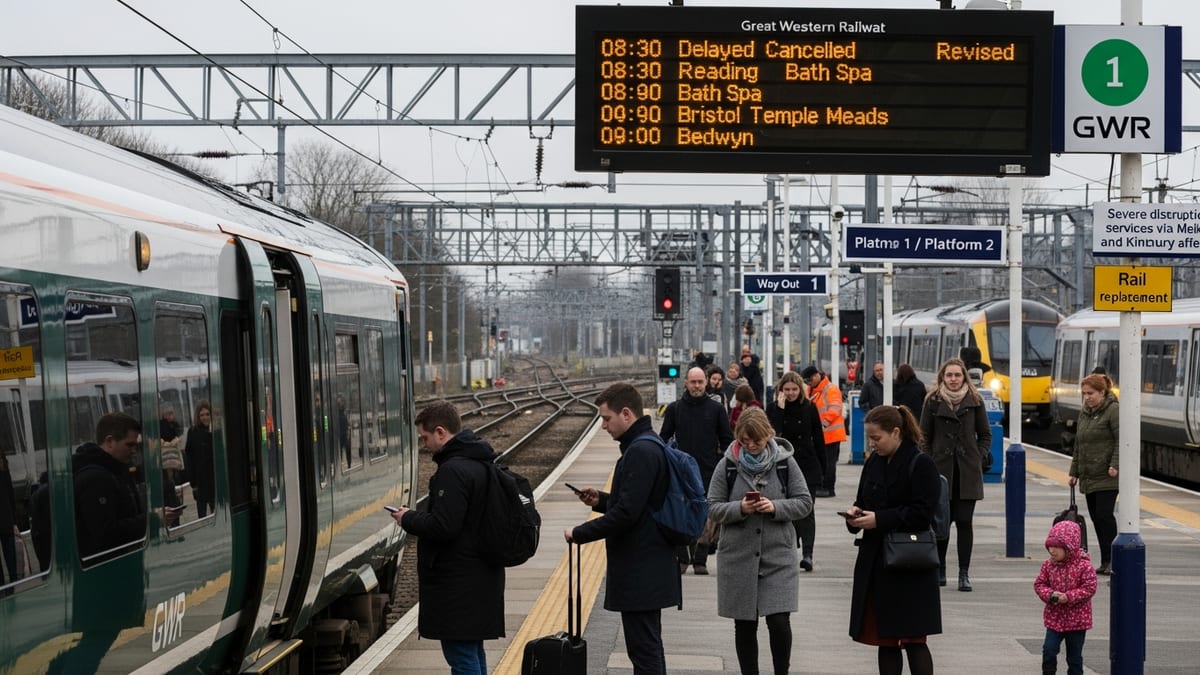
Fire near tracks leads to system-wide delays
Reports from local outlets and transit alerts indicate that the fire broke out in a residential area near 4300 South and 2675 West in Roy, close to the Union Pacific and FrontRunner rail corridor. The blaze spread into multiple yards and generated smoke near the tracks, prompting service disruptions as crews worked to protect nearby homes and infrastructure.
Publicly available information shows that the Utah Transit Authority responded by slowing or holding FrontRunner trains while the situation developed. Trains operating between Ogden and Salt Lake City were particularly affected, with ripple effects for riders heading south toward Utah County and north toward Weber County.
Early estimates circulating on Monday suggested delays of roughly 20 to 35 minutes for trains in both directions. Passengers reported crowded platforms and extended dwell times as dispatchers adjusted operations to keep trains clear of the fire area.
The incident unfolded during an already challenging wildfire season in Utah, where dry vegetation and high temperatures have contributed to a series of brush and wildland fires near communities and transportation corridors.
Bus bridge bypasses Roy Station during response
According to transit updates shared through local media and social channels, a temporary bus bridge was introduced between Ogden and Clearfield to help maintain north–south connectivity while trains bypassed Roy Station. Riders traveling through Weber and Davis counties were directed to transfer between rail and bus to continue their trips.
The temporary bus bridge effectively created a gap in rail service at Roy, with trains operating on either side of the affected segment. Passengers heading to or from Roy Station were advised to expect additional travel time or to use nearby stations until normal service could resume.
Travelers described on-the-fly adjustments, including revised meeting times, missed connections to TRAX and local buses, and delays reaching workplaces along the Wasatch Front. Some riders reported that information boards and announcements were updated frequently as conditions near the fire changed.
Publicly available service alerts emphasized that the arrangement was designed to keep the wider FrontRunner line operating while safety checks were carried out near the fire scene and along the adjacent right of way.
Roy Station’s role in the FrontRunner network
Roy Station is a key stop on the FrontRunner commuter rail line, which links Ogden, Davis County communities, Salt Lake City and Provo. The station sits in a largely residential area of Roy, a city in Weber County that has grown as a bedroom community for the wider Ogden–Salt Lake urban region.
Because of this role, disruptions at Roy can have an outsized impact on commuters who rely on rail to reach jobs, schools and connections to longer-distance bus routes. Many riders use Roy as a park-and-ride access point, and any closure or bypass can push additional traffic to neighboring stations in Clearfield and Ogden.
Planning documents from regional transportation agencies describe ongoing efforts to strengthen station-area access at Roy and other FrontRunner stops, including improved pedestrian links and local bus connections. Events that temporarily interrupt service highlight how crucial these hubs are for daily mobility along the Wasatch Front.
The latest interruption also adds to a growing list of fire-related transportation impacts in northern Utah this summer, where roadside and urban-interface fires have occasionally forced short-term closures or slow orders on highways and rail lines.
Wildfire-season pressures on transit operations
Utah’s 2026 fire season has been marked by frequent wildland and brush fires, with state agencies reporting high fire danger conditions and extended dry spells across much of the region. Recent incident summaries describe fast-moving fires in multiple counties, placing sustained pressure on firefighting resources and heightening concern about ignition near communities and infrastructure.
Rail corridors and highways are particularly vulnerable during such periods, as sparks, downed lines or nearby residential fires can spread quickly through dry grasses and brush close to rights of way. When fire activity approaches tracks, operators often reduce speeds or halt traffic so that crews can assess risks and ensure that smoke, flames or firefighting equipment do not interfere with safe train movements.
Transit planners have increasingly emphasized the need for contingency options during peak fire months, including bus bridges, flexible routing and coordinated communication with local emergency managers. The response near Roy Station reflects this approach, with substitute bus service activated quickly to keep passengers moving even as frontline agencies focused on containing the fire.
For travelers, the episode serves as another reminder to build extra time into trips during the height of wildfire season and to monitor multiple channels for updates, including agency alerts and local news coverage when conditions change rapidly.
Commuters face delays but core corridor remains open
While the fire near Roy Station caused notable disruptions on Monday, preliminary information indicates that the core Ogden to Salt Lake City rail corridor remained open, albeit with delays and one station temporarily bypassed. Trains continued to run outside the immediate impact zone, and the bus bridge allowed many riders to complete their journeys with added, but manageable, delay.
As conditions stabilized, transit updates suggested that normal operations would resume once safety inspections along the line were complete and fire crews had secured the area adjacent to the tracks. The full timeline for restoration was not immediately clear, as it depended on the pace of firefighting efforts and infrastructure checks.
For northern Utah communities that rely on FrontRunner as a daily link to jobs and services, the incident underscored both the vulnerability and resilience of the system. A single neighborhood fire near the tracks was sufficient to slow trains across multiple counties, yet redundancy in the form of parallel roads and bus fleets helped maintain a basic level of mobility.
Observers note that as Utah’s population grows and wildfire seasons become more intense, similar disruptions may become more common. Transit agencies along the Wasatch Front are likely to face continued pressure to harden infrastructure against fire risks and to refine playbooks for keeping passengers moving when sudden incidents unfold close to critical rail lines.