


More news on this day
Rail links between central London and Heathrow Airport were severely disrupted on Saturday after a grass fire near the Great Western Main Line triggered a fire alert in the Paddington area, halting both Heathrow Express and Elizabeth line services to the UK’s busiest airport.
Get the latest news straight to your inbox!
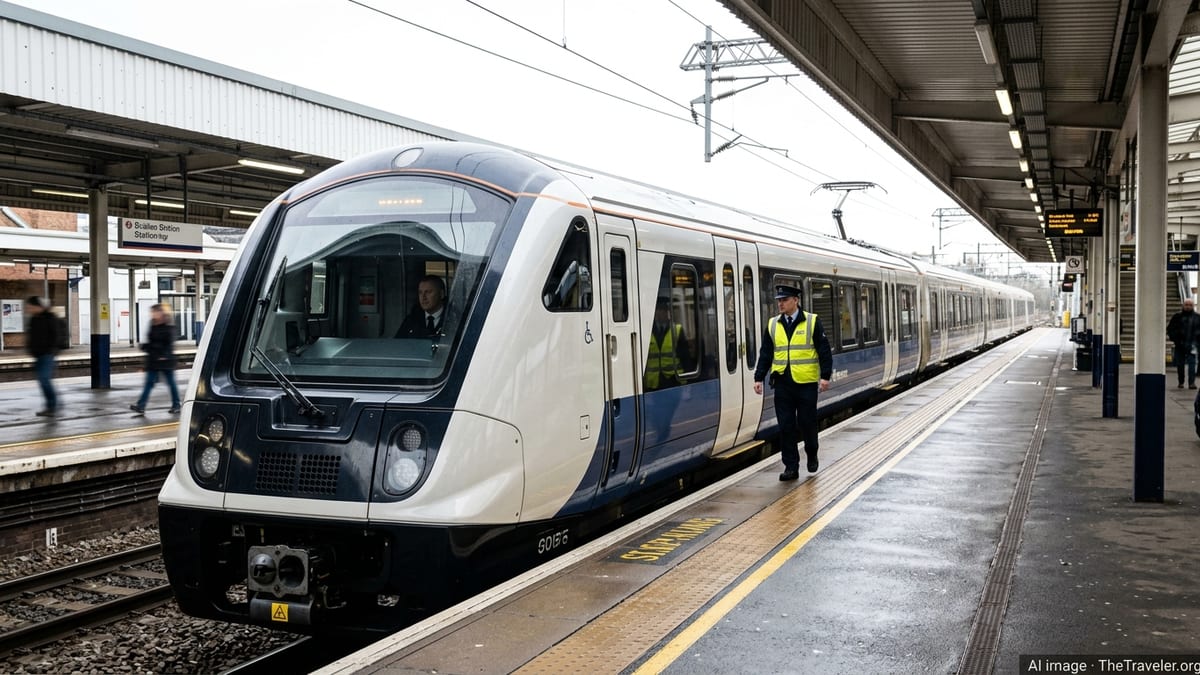
Fire alert brings Heathrow rail corridor to a standstill
Published coverage indicates that a trackside grass fire near the approach to London Paddington led to a fire alert on Saturday 5 September, forcing a shutdown of key rail routes serving Heathrow Airport and Reading. Reports from rail operators and transport websites describe departure boards at Paddington turning blank as trains were cancelled into the evening.
According to publicly available information from Heathrow and Transport for London (TfL), Heathrow Express and Elizabeth line services between Paddington, Heathrow Terminals and Reading were suspended after the alert, leaving no direct mainline rail link between central London and the airport. Separate reports indicate that Piccadilly line services to Heathrow were also experiencing significant delays, further constraining options for air passengers.
National Rail’s live disruption pages and independent status trackers described the situation as “major disruption,” with no trains running between Paddington and Heathrow terminals or Reading, and severe delays on the remainder of the Elizabeth line. The impact extended along the Great Western Main Line, affecting services toward west London and the Thames Valley.
Elizabeth line and Heathrow Express services suspended
Heathrow’s own travel information pages state that both Heathrow Express and the TfL-run Elizabeth line were suspended due to a fire alert near Paddington, advising passengers to allow extra time for their journeys and to consider alternative routes where possible. The airport reiterated that trains normally operate every 15 minutes on the non-stop Heathrow Express and at frequent intervals on the Elizabeth line, underlining the scale of disruption when both services are unavailable.
Separately, TfL’s network status feed showed the Elizabeth line listed as “part suspended,” with no service between Paddington and Heathrow Terminal 4, Heathrow Terminal 5 and Reading. Severe delays were reported on the remaining central and eastern sections of the line, as trains and crew were displaced from their usual schedules.
Service updates from rail information sites suggested that disruption was expected to last until the end of service on Saturday, with passengers urged to check journey planners before travelling. Earlier incidents along the same corridor this summer have shown that even once the cause is cleared, it can take hours for train operators to restore regular timetables and reposition trains.
Knock-on effects for west London and Thames Valley travel
The suspension of Heathrow-bound services had immediate consequences for wider travel in west London and the Thames Valley. Great Western Railway services share sections of track with the Heathrow routes, and real-time information services reported delays and alterations affecting trains between Paddington, Slough, Maidenhead, Reading and beyond.
Travel forums and social media posts from passengers described crowded platforms and long queues for information at stations such as Paddington and Reading, with some travellers seeking last-minute alternatives by coach, taxi or rideshare. With the rail corridor effectively severed between central London and Heathrow, road routes on the M4 and local motorways also faced added pressure from diverted travellers.
Recent engineering works and earlier disruptions in August on the same corridor have highlighted the vulnerability of the Heathrow rail spine when unexpected incidents occur on or near the Great Western Main Line. On this occasion, the combination of a grass fire, suspended airport services and wider timetable disruption produced one of the most significant recent interruptions to Heathrow’s surface access network.
Alternative routes and advice for affected passengers
Publicly available guidance from Heathrow and National Rail advises passengers to monitor live journey planners and operator websites for the latest updates, as restoration times can change at short notice. With Heathrow Express and Elizabeth line trains halted, travellers were being directed towards the London Underground’s Piccadilly line, although that route was also experiencing delays linked to the wider disruption.
Coach operators linking Heathrow with central London and other UK cities were expected to see increased demand, and rail passengers heading for the Thames Valley were being advised to consider alternative routes where feasible. For some west London and Berkshire destinations, local buses and diverted Great Western Railway services offered limited workarounds, but journey times were significantly extended.
Travel experts generally recommend allowing substantial additional time to reach Heathrow during incidents of this kind, particularly for morning long-haul departures and evenings when rail replacement options can be scarce. Passengers with flexible tickets are often advised to rebook outside the disruption window where possible, or to contact airlines if surface transport problems risk causing missed flights.
Ongoing resilience concerns for Heathrow’s rail access
The latest suspension of Heathrow-bound rail services follows a series of disruptive events on the Paddington corridor in recent months, including power supply failures and overhead line incidents that have temporarily halted Elizabeth line, Heathrow Express and Great Western Railway services. Rail performance statistics compiled by independent trackers show that the Elizabeth line has experienced a notable number of part-suspensions and severe delays over the past month.
Transport commentators have argued that the concentration of Heathrow’s fastest and most convenient rail links on a single mainline corridor leaves passengers exposed when incidents such as grass fires, infrastructure faults or signalling failures occur near Paddington. While the Piccadilly line and road transport provide redundancy, these alternatives are slower and more vulnerable to congestion.
Policy discussions earlier this year about the long-term balance between Heathrow Express and Elizabeth line operations underscore the importance of resilience on this strategic route. As climate conditions increase the likelihood of lineside grass and lineside vegetation fires during dry spells, infrastructure managers are expected to face continued pressure to improve fire prevention, detection and incident management along key airport rail approaches.
For now, travellers heading to or from Heathrow are being urged to check the latest rail and Underground status updates on the day of travel, and to build in generous time margins whenever journeys depend on the Paddington corridor.
London Paddington fire causes rail chaos as Heathrow trains cancelled
Transport for London network status for the Elizabeth line