


More news on this day
A freight train carrying chemical products derailed in northern Sonora near the Naco border crossing into Arizona, spilling hazardous material and triggering emergency protocols that are affecting cross border travel and regional mobility.
Get the latest news straight to your inbox!
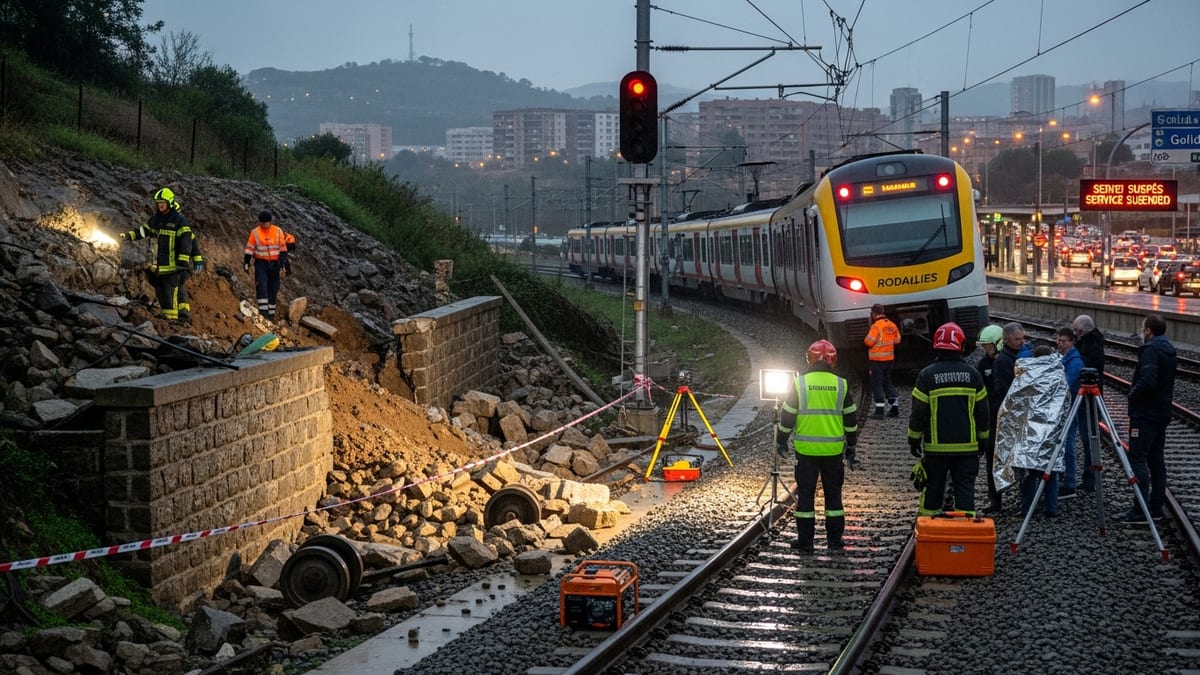
Derailment South of the Border Crossing
Publicly available information indicates that the derailment occurred in the early hours of July 26, 2026, near Ejido Cuauhtémoc in the municipality of Naco, Sonora, roughly 20 miles south of the international border. The affected train was reported as a Ferromex freight service operating on a key corridor that parallels the frontier and connects mining and industrial zones in Sonora with export routes toward the United States.
Mexican media coverage describes a tank car leaving the tracks and overturning, leading to the release of a chemical load onto adjacent terrain. Initial reports described the incident as a minor spill, but subsequent updates from environmental agencies in Mexico characterize the event as a significant hazardous material release that required specialized containment and clean up teams.
The derailment site lies south of the Naco, Sonora Naco, Arizona crossing, but on rail lines that serve the broader cross border region. While the incident did not take place directly at the port of entry, it has prompted concern on both sides of the frontier about transboundary air and water impacts and the resilience of transport links that serve travelers and freight.
Coverage by national and regional outlets in Mexico notes that the area around Naco has a history of hazardous materials movements, including sulfuric acid and other industrial chemicals moving to and from mining operations in Sonora. Binational contingency planning documents had previously flagged this rail corridor as high risk, and the latest derailment has renewed attention on those warnings.
Nature of the Spill and Environmental Risks
According to Mexican federal environmental assessments summarized in recent coverage, the overturned tank car released tens of thousands of liters of a hazardous chemical product. Some reports place the figure at nearly 60,000 liters, though final verification of the precise volume and exact substance involved is still pending as laboratory analyses continue.
Specialized hazardous materials teams and environmental inspectors were deployed to the scene to identify the product, recover what remained in the tank and prevent additional leakage into surrounding soils and drainage channels. Public information suggests that the spill was largely contained to the immediate right of way, but evaluation is ongoing to determine whether residues reached surface runoff that could eventually feed into cross border watersheds.
Local accounts from Sonora describe a strong chemical odor in the vicinity shortly after the accident and report precautionary perimeter controls around the derailment site. There were no immediate large scale evacuation orders reported in Mexican media, but officials in charge of risk management advised residents to avoid approaching the zone while initial containment and monitoring were underway.
For travelers and tourism operators, the chief concern centers on potential medium term environmental effects if the chemical proves persistent or mobile in groundwater. Previous risk evaluations for the Naco region highlight the vulnerability of shared aquifers and natural drainages in this semi arid landscape, where contamination can migrate slowly but remain in the system for years.
Impact on Cross Border Travel and Local Mobility
While the incident occurred on the Mexican side of the line, the derailment has had an immediate effect on regional movement. Rail traffic along the affected stretch south of Naco has been suspended while damaged track is inspected and repairs are completed. Freight that typically uses this route, including supplies bound for mining towns and agricultural logistics hubs, is being rerouted to alternative corridors deeper in Sonora, creating delays and congestion.
Road access near Ejido Cuauhtémoc has experienced intermittent closures as hazmat teams work around the derailment site. Travelers heading to or from Sonoran interior destinations have reported detours and slower travel times where local roads intersect with the rail corridor. Tourism related traffic to nearby mountain and canyon areas, popular with visitors from Arizona, may feel localized disruption until rail cars are removed and track work is finalized.
On the United States side, there have been no formal closures reported at the Naco port of entry linked directly to the derailment, but cross border travelers are facing increased scrutiny of cargo and additional questions about itineraries that pass near the affected zone in Sonora. Travel advisories issued by local governments and consular information channels are urging visitors to monitor official updates and allow extra time for overland journeys in the region.
Tour operators and hoteliers serving southeastern Arizona and neighboring parts of Sonora are watching the situation closely, as perceptions of environmental risk and transport reliability can influence booking decisions. Even in the absence of direct health impacts on the U.S. side, images of derailed tank cars and hazmat crews can weigh on traveler confidence in borderland infrastructure.
Safety Lessons for a High Risk Corridor
The Naco derailment comes amid a wider pattern of freight rail incidents in Mexico that involve hazardous materials, drawing renewed scrutiny to safety practices on key industrial lines. Published reports in recent years have chronicled multiple derailments in Sonora and other states, including several cases in which trains carrying fuels or chemical products have left the tracks in sparsely populated areas.
Rail safety research points out that while trains remain a comparatively efficient and low emission way to move bulk hazardous cargo, derailments involving tank cars can have outsized consequences when they occur near communities or sensitive ecosystems. The Naco corridor, which combines heavy industrial traffic with cross border linkages and semi arid watersheds, illustrates many of these vulnerabilities.
Binational emergency planning documents for the Cochise County Naco pairing had already identified a so called chemical train through the region as a particular concern, with scenarios that envisioned precisely the kind of tank car derailment and spill now under investigation. The latest accident provides a real world test of those planning assumptions and the ability of Mexican and U.S. agencies to coordinate information on potential transboundary effects.
For travelers, the episode underlines the importance of staying informed about industrial activity along planned routes, especially in regions where highways, rail lines and smaller communities converge. It also reinforces the value of established contingency plans that allow local tourism operators to pivot quickly to alternative routes and destinations when transport corridors are temporarily disrupted.
What Travelers Should Watch in the Coming Days
In the short term, the key questions for visitors and residents involve confirmation of the chemical identity, the extent of soil or water contamination and the speed with which rail operations are restored. Environmental agencies in Mexico are expected to issue more detailed findings as sampling results are processed and remediation steps are defined.
Travelers planning overland trips through northern Sonora should review current advisories and consider route flexibility, as localized closures and detours around the derailment site may persist while wreckage is cleared. Those using the Naco border crossing can expect normal immigration and customs procedures, with the caveat that inspection times could fluctuate if traffic patterns shift due to rerouted freight and passenger flows.
For the broader cross border travel market, the derailment will likely feed into ongoing debates about how to modernize and secure freight infrastructure in Mexico while safeguarding communities and tourism assets that depend on safe, predictable mobility. Outcomes from the Naco incident, including any regulatory or operational changes that follow, will be watched closely by transport planners and travel industry stakeholders across the region.