


More news on this day
Persistent heavy rain on Saturday drenched the Chicago area, overwhelming drainage systems and leaving streets, basements and businesses under water as flood alerts covered much of the region.
Get the latest news straight to your inbox!
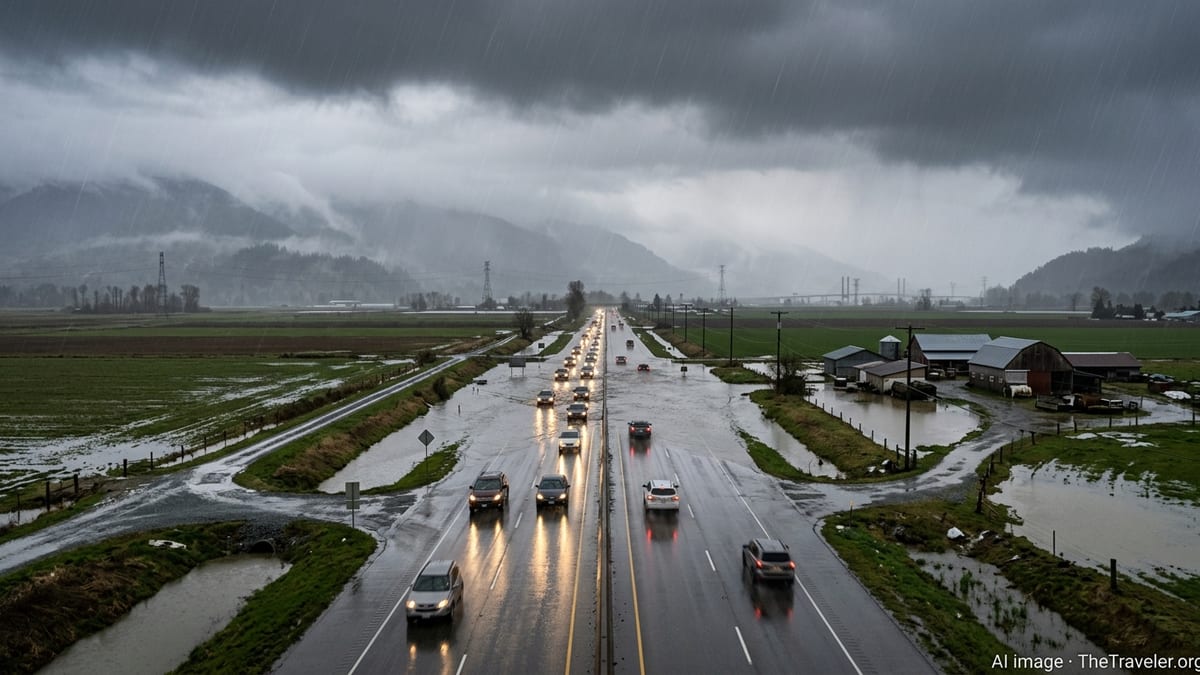
Roadways Swamped as Rainfall Quickly Accumulates
Slow moving bands of rain crossed northeastern Illinois through Saturday, dropping several inches of water in a matter of hours across parts of the Chicago metropolitan area. Publicly available radar estimates showed the heaviest cores setting up over city neighborhoods and near north and northwest suburbs, where repeated downpours led to rapid ponding.
Images and reports shared on social media described major thoroughfares turning into shallow canals, with water backing up along underpasses and low lying intersections. Some ramps and stretches of expressways were temporarily impassable as vehicles stalled in rising water, forcing drivers to divert to side streets already stressed by runoff.
Localized flooding was not confined to one part of the city. Suburban communities to the north, west and south also reported water above curbs, especially in older neighborhoods with aging storm sewers. Short duration, high intensity rain rates appeared to be a key factor in how quickly roads became hazardous.
Transportation agencies urged motorists to avoid standing water, warning that depths can be difficult to judge. Travel in some corridors slowed to a crawl as drivers navigated around barricades and deep puddles, contributing to congestion well into the evening.
Basement and Business Flooding Strain Cleanup Efforts
The same runoff that filled streets also pushed into homes and businesses across the Chicago region. Low lying properties, especially older buildings with basements, reported water seeping through foundations and backing up through floor drains as sewers reached capacity.
According to published coverage and local accounts, neighborhoods that have historically struggled with flash flooding again saw water pooling behind homes and in alleys. Apartment buildings and small businesses along commercial corridors reported soaked storage areas and damaged inventory as water rose faster than pumps could keep up.
Urban flooding has long been identified as a vulnerability for Chicago, where large expanses of pavement can concentrate runoff into storm drains and combined sewers. Planning documents from state and county agencies note that short, intense rain events are especially likely to overwhelm local drainage and send water into basements and ground level units.
Cleanup efforts began even as rain continued in some locations. Property owners set up portable pumps, fans and dehumidifiers, while municipal crews worked to clear clogged street inlets choked with debris and leaves that had been washed into gutters.
Flood Warnings and Watches Blanket the Region
The National Weather Service issued a combination of Flood Warnings and Flood Watches for much of northeastern Illinois and parts of northwest Indiana as Saturday’s storms unfolded. Public bulletins highlighted the risk of flash flooding in urban areas, particularly along poor drainage spots, viaducts and small creeks reacting quickly to heavy rain.
Flood Watches signaled that conditions were favorable for flooding over a broad area, while more targeted Flood Warnings focused on locations where flooding was already occurring or imminent. Forecast discussions emphasized the potential for multiple rounds of showers and thunderstorms to track over the same communities, increasing total rainfall through the day and into the night.
Hydrologic outlooks also monitored small rivers and streams, where elevated flows from days of unsettled weather combined with Saturday’s downpours. In some cases, gauges approached or exceeded minor flood stage, prompting advisories for low lying riverfront areas and trails.
Publicly available guidance encouraged residents to stay alert for updated statements as the storm system slowly shifted east. The evolving pattern meant conditions could deteriorate quickly in places that had initially seen only light rain earlier in the day.
Travel and Transit Disruptions Across Chicagoland
The flooding’s impact rippled through the region’s transportation network, affecting commuters, event goers and weekend travelers. Standing water on expressways and arterial roads forced lane reductions, while some viaducts and underpasses were temporarily closed due to depth concerns.
Surface level rail crossings and portions of commuter rail and transit lines were also affected where water pooled near tracks or stations. According to local transportation updates, some routes experienced delays as trains reduced speeds through waterlogged sections and crews checked signal equipment exposed to the elements.
Air travel at the region’s major airports faced periodic slowdowns as thunderstorms passed overhead, with arriving and departing flights adjusted to safely work around heavy rain and low clouds. Travelers were advised through publicly posted alerts to check the status of flights and allow extra time to reach terminals on roads impacted by ponding.
Delivery services and ride hailing drivers reported circuitous routes to avoid the worst flooding, extending travel times across the metropolitan area well beyond typical weekend patterns.
Safety Reminders and Long Term Resilience Concerns
Emergency preparedness materials from state and local agencies emphasize that even a few inches of rapidly moving water can be dangerous on roadways. Public guidance urges residents never to drive through flooded streets, to avoid walking into moving water and to keep children away from swollen ditches and culverts.
Homeowners are encouraged in official safety literature to move valuables from basements, check sump pumps and backup power sources, and document any water damage for insurance purposes after storms. Advisories also recommend disconnecting electrical appliances in flooded areas and using caution when reentering waterlogged spaces.
Saturday’s flooding added to a growing list of recent high impact rain events around Chicago, highlighting long term questions about infrastructure resilience. Regional planning studies note that heavier downpours have become more frequent, increasing pressure on storm sewers, detention basins and river systems built for a different climate baseline.
Municipal projects such as deep tunnel storage, green infrastructure installations and expanded stormwater detention are intended to reduce future flooding, but advocates and residents observing repeated basement backups argue that investment may need to accelerate as intense rainfall events become a more regular feature of the warm season.