


More news on this day
Heavy monsoon rain in southern Odisha’s Rayagada district led to waterlogging on railway tracks near Tikiri on Monday, briefly halting train movement on a busy regional route and underscoring the vulnerability of rail links serving remote, hilly areas.
Get the latest news straight to your inbox!
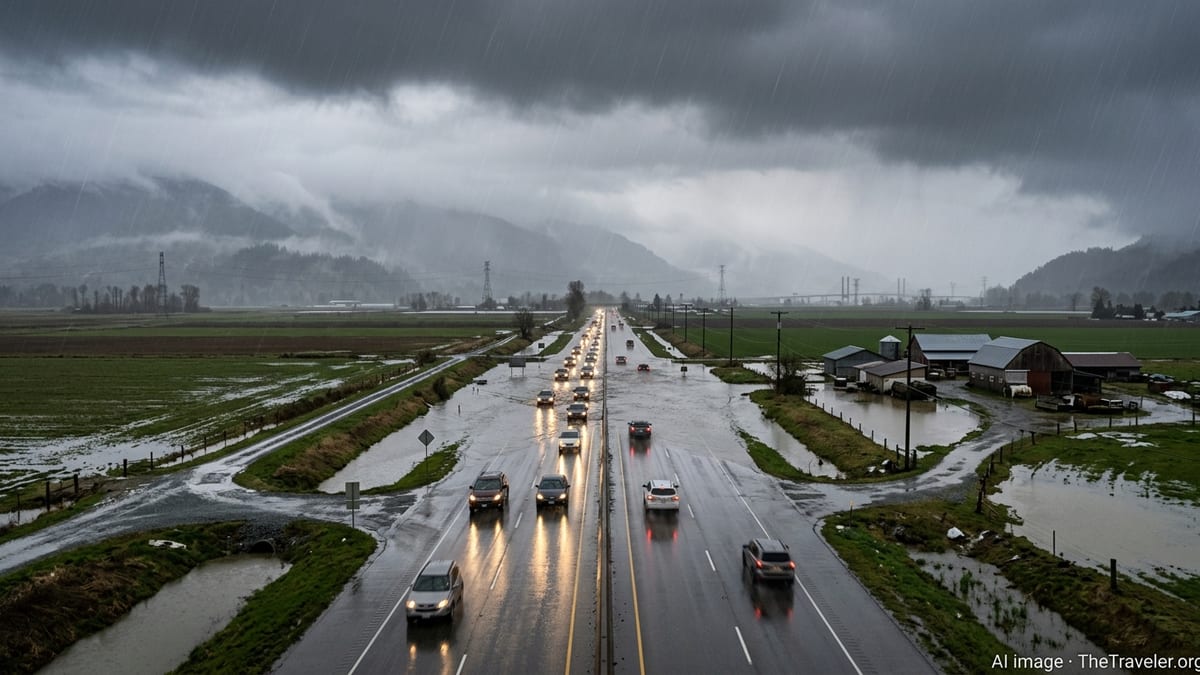
Train Halt Near Tikiri After Water Covers Track
Reports from regional media and railway-focused platforms indicate that train services on the Rayagada–Koraput line were temporarily disrupted when rainwater accumulated on the tracks between Tikiri and a nearby halt in Rayagada district. At least one passenger service was held as a precaution while railway personnel assessed whether the track bed and signaling equipment remained safe for operations.
The affected stretch forms part of an important corridor that links Rayagada with interior parts of southern Odisha and neighboring Andhra Pradesh. Trains including express and passenger services use this single line, and any stoppage quickly creates bottlenecks for both local commuters and long-distance travelers.
Preliminary information suggests that the halt at Tikiri was precautionary rather than the result of structural damage, with services resuming once water levels receded and inspections were completed. Even a short disruption, however, can cascade into delays across the day’s timetable on such constrained infrastructure.
Travelers on the halted service reportedly faced extended waiting times as the train remained on hold until staff received clearance to proceed. Rail forums and social media posts referenced updated timings and advisories asking passengers to check live status before starting their journeys through the Rayagada section.
Monsoon Weather Puts Focus on Odisha’s Rail Vulnerability
The episode near Tikiri coincides with widespread heavy rainfall across Odisha attributed to a weather system over the Bay of Bengal. Publicly available meteorological data points to intense downpours in several districts, compelling local administrations to keep schools closed in some areas and maintain disaster response units on alert.
Rayagada district, where Tikiri is located, is recognized in state disaster planning documents as vulnerable to flash floods and landslides during the monsoon season, particularly along river valleys and steep hill slopes intersected by transport corridors. When rain falls heavily over short periods, drainage channels quickly fill, and low-lying sections of track can become waterlogged.
Railway disaster management guidelines for the region describe a range of measures activated during such weather, including close coordination with meteorological authorities, heightened monitoring of flood-prone locations, and track patrolling during and after heavy rain. The halt at Tikiri reflects these protocols, where traffic is slowed or stopped once standing water obscures the rail surface or ballast.
While Monday’s disruption appears to have been short-lived, it adds to a pattern of monsoon-related interruptions that periodically affect services in southern Odisha. For local communities that depend on rail links for work, education, medical travel, and trade, even temporary suspensions can highlight how quickly extreme weather impacts daily mobility.
Key Corridor for Industry and Rural Communities
Tikiri itself is a small settlement with an upgraded railway station that serves both nearby villages and industrial facilities. The line through Tikiri connects mining and industrial centers with the rest of Odisha, carrying a mix of passenger and freight traffic that is vital for the local economy.
State planning documents describe the Rayagada region as a junction for routes linking coastal Odisha with interior districts and bordering states. Rail connectivity enables the movement of raw materials and finished products while also providing essential access for rural passengers who may have limited alternatives to reach district headquarters and larger cities.
When flooding forces a halt at stations such as Tikiri, the impact spreads beyond immediate passengers. Freight rakes can be rescheduled or held back, and connecting services further down the line may be adjusted to accommodate lost time. For small businesses and farmers relying on predictable logistics, these disruptions can complicate the timing of shipments and supplies.
Local travel observers note that the growing interplay between industrial rail use and everyday passenger demand makes reliability on this corridor particularly important. Episodes of waterlogging and washouts, even if quickly managed, feed into wider debates about how much investment is needed in drainage, slope stabilization, and signaling resilience along routes crossing vulnerable terrain.
Rail Safety Measures When Tracks Flood
The decision to halt a train at Tikiri reflects standard safety practice used across the Indian rail network when water rises over track level. Once ballast is submerged or strong currents are visible near culverts and embankments, railway engineers generally treat the section as unsafe until inspected, given the risk of hidden erosion or damage beneath the rails.
Recent public advisories from the railway sector emphasize measures such as reduced speeds, patrol teams during intense rain, and immediate suspension of traffic where water crosses danger thresholds at bridges or low-lying stretches. Control rooms in vulnerable zones keep continuous watch on rainfall data and local reports to trigger these interventions.
For passengers, this approach often translates into unplanned halts, diversions, or partial cancellations, especially during peak monsoon weeks. While frustrating for travelers on board, safety-focused halts are intended to prevent more serious incidents that could arise from continuing through compromised sections at normal speed.
The Tikiri incident also echoes broader concerns about how climate-linked extremes are testing rail infrastructure in multiple parts of India. Heavier cloudbursts and more erratic rainfall patterns increase the likelihood of sudden waterlogging, putting additional pressure on maintenance teams to identify weak spots before trains encounter them.
Travel Advice for Rail Passengers in Monsoon Season
For travelers planning journeys through Rayagada and other monsoon-affected regions, transport experts commonly recommend building extra time into itineraries and checking real-time train status on official platforms on the day of departure. Sudden halts like the one at Tikiri may not be reflected in printed timetables but are usually updated in live tracking systems and station announcements.
Passengers are also advised to carry basic supplies such as water, snacks, essential medicines, and portable chargers during long-distance trips in the rainy season, since unscheduled delays can extend travel time by several hours. In remote stretches where platform facilities are limited, on-board provisions become especially important.
State disaster management materials further encourage residents and visitors to stay alert to local weather bulletins and to avoid non-essential travel in periods of extreme rainfall. For those who must travel, routes passing through known flood-prone sections may warrant particular caution and contingency planning.
As monsoon systems continue to affect Odisha, the brief train halt at Tikiri illustrates how quickly heavy rain can ripple through regional mobility. For operators, it serves as another reminder of the need for robust drainage and early-warning mechanisms along key rail corridors, while for passengers it underscores the importance of flexibility when traveling during an increasingly volatile wet season.