


More news on this day
Heavy rain over Delhi and the wider National Capital Region has disrupted air travel and flooded major roads, with data from flight trackers and local monitoring networks pointing to hundreds of delayed services and widespread waterlogging since Monday.
Get the latest news straight to your inbox!
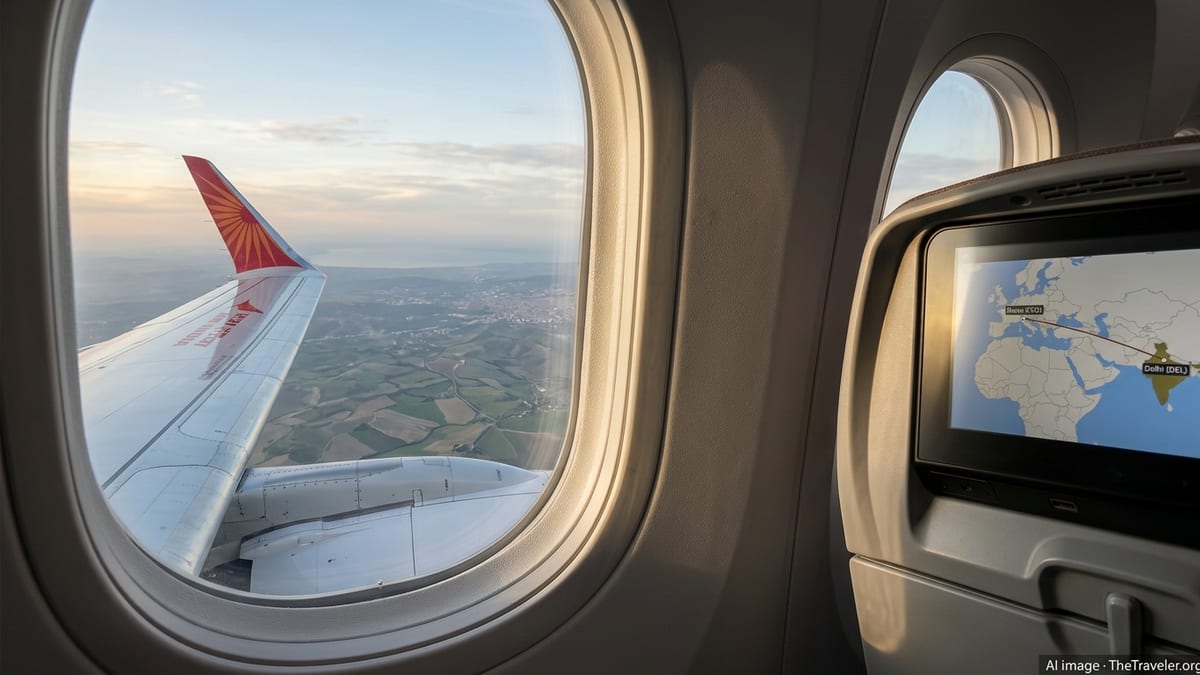
Flight Operations at IGI Hit by Weather Disruptions
Publicly available aviation data shows that heavy showers on August 24 and 25 led to significant disruption at Delhi’s Indira Gandhi International Airport, with more than 200 flights delayed and at least 15 Delhi-bound services diverted during peak rainfall periods. Tracking platforms indicate average delays of around half an hour to just over 30 minutes on several domestic and international routes as aircraft waited out low visibility and congestion on the ground.
Coverage from national outlets also notes that delays built up through Monday afternoon, when intense cloudbursts over the airport corridor coincided with the busy evening wave of departures. Airlines issued public travel advisories urging passengers to check flight status before leaving for the airport and to allow extra time for congested road approaches affected by standing water.
On Tuesday, reports indicate that operations remained strained as early morning downpours again reduced visibility and forced temporary adjustments to arrival and departure schedules. While there were no sustained shutdowns of any runway, the cumulative impact of rolling delays left check in halls and security queues crowded for much of the morning peak.
Industry analysts note that such large-scale weather disruption is increasingly common during the late monsoon period, particularly when intense but localized cells form over the city and airport. The latest episode underlines how even short windows of heavy rain can ripple across the tightly timed networks that connect Delhi with the rest of India and key global hubs.
City Roads Struggle With Widespread Waterlogging
Road travel across Delhi and its satellite cities has also been heavily affected. According to published coverage collating municipal and traffic updates, stretches of central and south Delhi, including corridors near Parliament Street, ITO, AIIMS and several residential colonies, reported ankle to knee deep water as drains struggled to cope with high discharge during peak showers.
Traffic feeds and social media footage highlight long tailbacks at underpasses and low-lying junctions, with vehicles inching through pooled water on routes such as the Delhi–Gurgaon Expressway and major arterial roads in Gurugram and Noida. Commuters reported extended journey times during Monday’s evening rush hour, with some buses and private vehicles forced to turn back when underpasses became temporarily impassable.
Local monitoring by the India Meteorological Department shows that the city’s base station at Safdarjung and several automatic weather stations in neighbourhoods such as Janakpuri, Chhatarpur and Pitampura recorded between roughly 30 mm and 70 mm of rain during the most intense three hour window on Monday. Totals for August at key observatories have already moved above the long period average, with one central station logging more than 280 mm of rain this month, according to recent tallies.
While pumping teams and civic contractors were deployed across critical chokepoints, clearance efforts struggled to keep pace with fresh rainfall bands drifting across the city on Tuesday morning. Transport updates warned of slow moving traffic around chronically vulnerable stretches, and residents in several colonies reported water entering ground floor shops and parking areas.
Alerts, Advisories and Evolving Weather Outlook
The India Meteorological Department issued high level alerts for Delhi and adjoining districts as the rain intensified, citing the interaction of monsoonal moisture with a western disturbance and a cyclonic circulation over northwestern India. Forecast bulletins pointed to the potential for further heavy showers, thunderstorms and gusty winds over the 24 to 48 hour period beginning Monday, prompting warnings of localized flooding and disruptions to transport and utilities.
Regional administrations in the wider National Capital Region responded with a series of advisories. In Gurugram, publicly available orders from the district disaster management authority called for a work from home day for many offices on August 25 in an effort to reduce traffic on already saturated roads and to limit exposure to areas prone to severe waterlogging. Educational institutions in some pockets were also asked to remain shut or to stagger timings.
For air travelers, airlines and Delhi airport stakeholders used social media channels and website banners to urge passengers to factor in possible delays, check the latest status of their flights, and consider using metro links where available rather than relying solely on road transport. These notices underlined that, while the airport itself remained operational, surface access and turnaround times could be significantly affected during bursts of intense rain.
IMD’s short range outlook suggests that while the heaviest rainfall may ease after the current spell, intermittent showers are likely to continue through the week, keeping the risk of renewed waterlogging in place in poorly drained zones. Travelers transiting through Delhi over the coming days are therefore being encouraged by widely circulated advisories to monitor local weather bulletins closely.
Impact on Residents, Commuters and Travel Plans
For residents, the combination of flooded streets and transport delays has had a tangible impact on work, school and medical appointments. Reports from Delhi and satellite cities describe school buses taking extended detours to bypass submerged stretches, with some vehicles briefly stranded in Gurugram’s residential sectors before water levels receded. Office workers faced long waits at bus stops and metro feeder stations as services tried to navigate around blocked intersections.
Travel planners point out that the latest disruption overlaps with a busy domestic travel period that includes late summer holidays and onward connections to hill destinations and international routes. Passengers with tight layovers in Delhi have been particularly exposed to cascading delays, with some opting to rebook on later flights or reroute via other metros when possible.
At the neighbourhood level, residents in low lying pockets have once again highlighted the strain that intense monsoon episodes place on drainage and solid waste systems. Visuals shared from markets and residential lanes show drains clogged with debris, contributing to the rapid accumulation of water on road surfaces and around building entrances. Shopkeepers in affected areas have resorted to temporary barriers and pumps to keep interiors dry during the heaviest showers.
Despite the disruptions, the rain has also brought a marked drop in daytime temperatures after a spell of humid weather earlier in August. For many in the city, the challenge over the coming days will be balancing the welcome relief from heat with the need to navigate a transit network and urban infrastructure that remains highly sensitive to short bursts of heavy precipitation.
What Travelers Should Know Right Now
For those with upcoming flights into or out of Delhi, published coverage and real time tracking platforms suggest building in additional buffers of at least one to two hours beyond usual airport arrival guidelines. Weather related holding patterns, ground congestion and the knock on effects of earlier delays can all extend journey times even after active rain cells have moved away from the immediate airport area.
Passengers connecting through Delhi from other Indian cities or international gateways may wish to coordinate closely with airlines regarding minimum connection times, especially for itineraries involving separate tickets. Travel advisors recommend considering travel insurance that covers weather related disruptions during the core monsoon window, when bouts of heavy rain can simultaneously affect multiple hubs across the subcontinent.
Within the city, commuters are being encouraged by widely shared advisories to check route specific updates before setting out, particularly for underpasses, river crossings and known bottlenecks. Use of metro services, where available and operating normally, may help bypass some of the worst affected road sections, though access to stations in low lying areas can still be hampered during periods of intense downpour.
With at least several more days of unsettled weather in the IMD’s outlook, the latest round of flooding and flight delays serves as a reminder of how central Delhi’s monsoon management has become to both daily life and the wider travel ecosystem. For now, the focus remains on clearing existing waterlogging, stabilizing transport operations and keeping travelers informed as fresh bands of rain move across the region.
Times of India: Delhi sees heavy rainfall, causes flight delays and waterlogging
India Today: Heavy rain disrupts Delhi NCR, 15 flights diverted
Times of India: Delhi NCR rain chaos and advisories
Outlook: IMD red alert as heavy showers disrupt flights and trigger waterlogging