


More news on this day
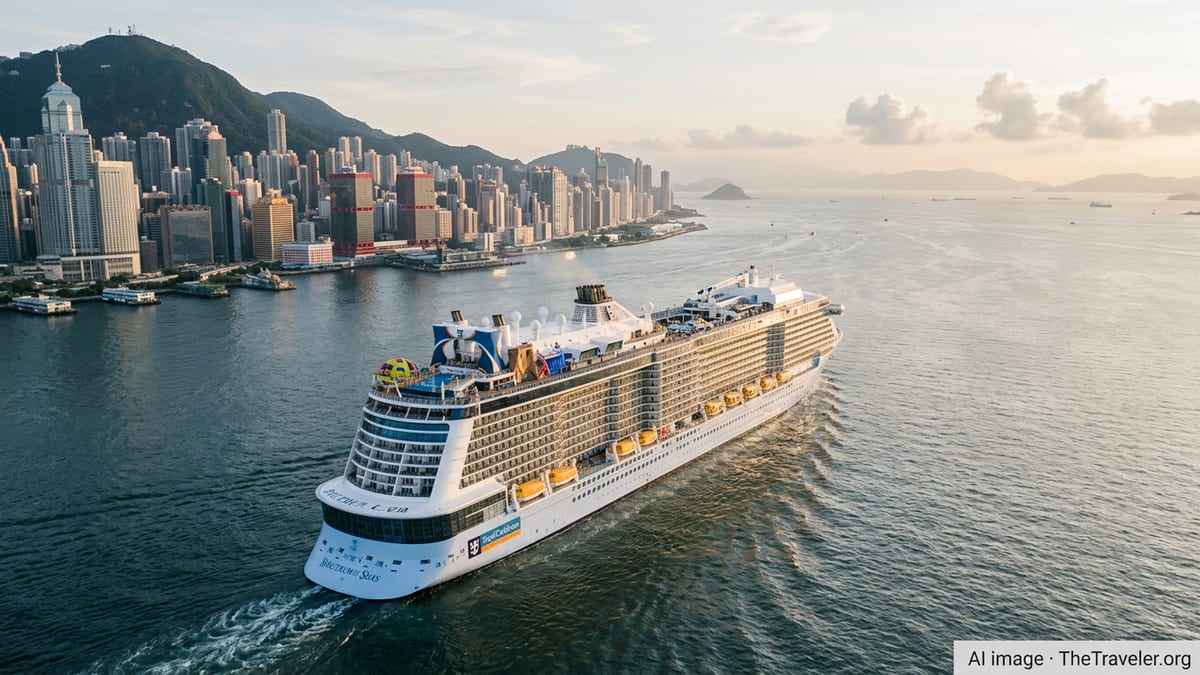
Hong Kong’s tourism revival has reached a critical juncture, with visitor arrivals climbing back toward pre-pandemic levels even as tourists spend less time and money in the city’s shops, hotels and attractions.
Get the latest news straight to your inbox!
Record Arrivals Signal a Near-Full Recovery
After years of pandemic disruption, publicly available data shows that Hong Kong is once again drawing crowds. The Hong Kong Tourism Board reported close to 45 million visitor arrivals in 2024, about 31 percent higher than in 2023 and driven largely by returning mainland Chinese travelers. Provisional figures for 2025 point to a further increase to nearly 50 million arrivals, placing the city among Asia’s busiest destinations again.
Officials have highlighted that more than three quarters of all visitors now come from mainland China, reflecting the city’s deep integration with its northern neighbor. Trips from mainland Chinese residents alone reached roughly 34 million in 2024, a double-digit percentage jump year on year and well above the levels seen during the border-closure period.
The recovery is not limited to leisure trips. Government and tourism board releases indicate that meetings, incentives, conventions and exhibitions traffic has rebounded strongly, with Hong Kong hosting hundreds of large-scale events in 2024 and the first half of 2025. Industry reports describe the MICE segment as one of the fastest to return toward pre-2018 volumes, underlining the city’s continued appeal as a regional business hub.
New immigration measures have further smoothed the path for visitors. Requirements for arrival and departure cards were scrapped in late 2024, and various schemes have expanded travel access for mainland residents. Together with targeted marketing in Southeast Asia and long-haul markets, these steps have helped push headline arrival numbers back toward the 50 million mark.
Spending Per Visitor Lags Behind the Surge
Behind the strong headline growth, however, a very different picture is emerging on the spending side. Research cited by industry consultancies indicates that total visitor expenditure in 2024 and early 2025 has not kept pace with the surge in arrivals. One widely referenced analysis suggested that visitor spending in Hong Kong fell by close to one fifth last year, even as more tourists came through the city.
Per-capita spending and length of stay both appear to be under pressure. Data released through Hong Kong’s official statistics portal shows that average spending per overnight visitor remains below pre-pandemic levels when adjusted for inflation. Separate market research noted that the average length of stay dipped to just over three days in the first half of 2024, compared with closer to four days before the pandemic, limiting the scope for hotel, retail and dining revenues.
Publicly available information from major retail chains and cosmetics groups also points to a weaker spending profile. Some operators have reported that the typical outlay by mainland visitors in Hong Kong and Macau is several percentage points lower than in 2019, despite a rebound in overall traffic. The strong Hong Kong dollar, lingering economic softness in China and intense competition from other regional shopping cities are frequently cited as headwinds.
The official tourism accounts echo these trends. Government economic reports show that exports of travel services, a key gauge of inbound tourism receipts, have grown more slowly than the number of visitors. In other words, more people are arriving, but each visitor is contributing less to the economy on average than before the pandemic.
Rise of Budget Travel and Day-Trip Tourism
One reason for the spending squeeze is a visible shift in visitor behavior, particularly among younger and more cost-conscious mainland travelers. Media coverage across Asia has highlighted the rise of “special forces-style” trips, where tourists pack multiple attractions into one or two days while minimizing accommodation and shopping costs.
Reports from Hong Kong and Shenzhen describe how some visitors choose to stay in cheaper hotels across the border and commute into the city by high-speed rail or metro, returning to the mainland at night. Others favor low-cost itineraries built around social media recommendations, focusing on photogenic spots, budget eateries and free attractions rather than luxury shopping or fine dining.
Golden Week and major holiday periods have showcased the new pattern. Coverage from regional outlets has documented long queues at popular selfie locations, public promenades and theme parks, alongside more moderate traffic in high-end malls. Retailers accustomed to big-ticket spending on luxury goods and cosmetics say they are now seeing more window-shopping and smaller basket sizes.
At the same time, Hong Kong residents themselves are increasingly heading north to spend in Shenzhen and other mainland cities, where food, entertainment and services can be significantly cheaper. This cross-border flow of consumption further dilutes the net impact of higher arrival numbers on the local economy, especially in districts that once depended heavily on mainland shopping tours.
Uneven Benefits Across Sectors and Neighborhoods
The divergence between booming arrival figures and softer spending is spreading unevenly across Hong Kong’s tourism ecosystem. Hotel occupancies have improved markedly from the trough of the pandemic, with many city-center properties reporting solid weekend and event-driven demand. Yet average room rates outside peak periods remain under pressure, particularly for mid-range and budget hotels competing directly with accommodation in Shenzhen.
Luxury malls and flagship stores, which once relied on high-spending mainland visitors, are feeling a sharper pinch. Industry commentary suggests that duty-free and cross-border e-commerce options have drawn some of the big-spender segment away from Hong Kong, while others are trimming discretionary purchases because of economic uncertainty at home. Street-level retail in older tourist areas has been slower to refill empty shop fronts, with some space shifting toward services catering to residents rather than visitors.
By contrast, attractions that are less dependent on shopping revenue appear to be faring better. Cultural venues, heritage sites, outdoor hikes and harborfront promenades have benefited from the trend toward experience-driven and social media-oriented travel. Major events such as book fairs, arts festivals and sports tournaments have also reported robust attendance, contributing more to food and beverage outlets than to luxury retail.
The MICE sector stands out as a bright spot. According to official tourism updates, business event visitors typically spend significantly more per capita than leisure tourists, particularly in hotels and restaurants. As international conferences, trade shows and corporate incentive trips return, they are helping to offset some of the softness in mass-market retail spending.
Policy Rethink as Hong Kong Chases “Quality” Tourism
The mismatch between record arrivals and weaker spending is prompting a strategic rethink. The government’s updated tourism blueprint, released in stages through 2024 and 2025, emphasizes the need to attract “high value-added” visitors while diversifying beyond a narrow focus on shopping and theme parks. Plans include developing more cultural and creative precincts, expanding green and wellness tourism, and deepening ties with neighboring Greater Bay Area cities.
Travel trade groups and economists have argued that Hong Kong now needs to compete more on distinctive experiences than on price. The strong local currency and relatively high operating costs make it difficult to match nearby destinations on affordability, but the city retains strengths in events, gastronomy, harbor views and connectivity. Industry voices have called for more coordination between transport, immigration and urban planning to make it easier for visitors to explore neighborhoods beyond the traditional tourist corridors.
At the same time, officials are deploying promotional campaigns and partnership programs aimed at Southeast Asia, the Middle East and long-haul markets, which historically deliver higher per-capita spending than short-haul visitors. Initiatives range from themed festivals and night-time events to curated itineraries that encourage longer stays and repeat visits.
How successful these efforts will be remains uncertain. For now, Hong Kong’s tourism comeback is clearly at a turning point: arrival numbers are back, but the race is on to convert footfall into sustainable, broad-based economic gains.