


Landing at Daniel K. Inouye International Airport in Honolulu and heading straight to Pearl Harbor is one of the most common first-day plans on Oahu. The historic sites sit only a short drive from the runways, but the details matter: which route is fastest, where to put your luggage, how rideshares and buses work, and whether visiting right after a long flight is actually a good idea. This guide walks you through every option step by step so you can leave the terminal confident about what comes next.
Get the latest updates straight to your inbox!
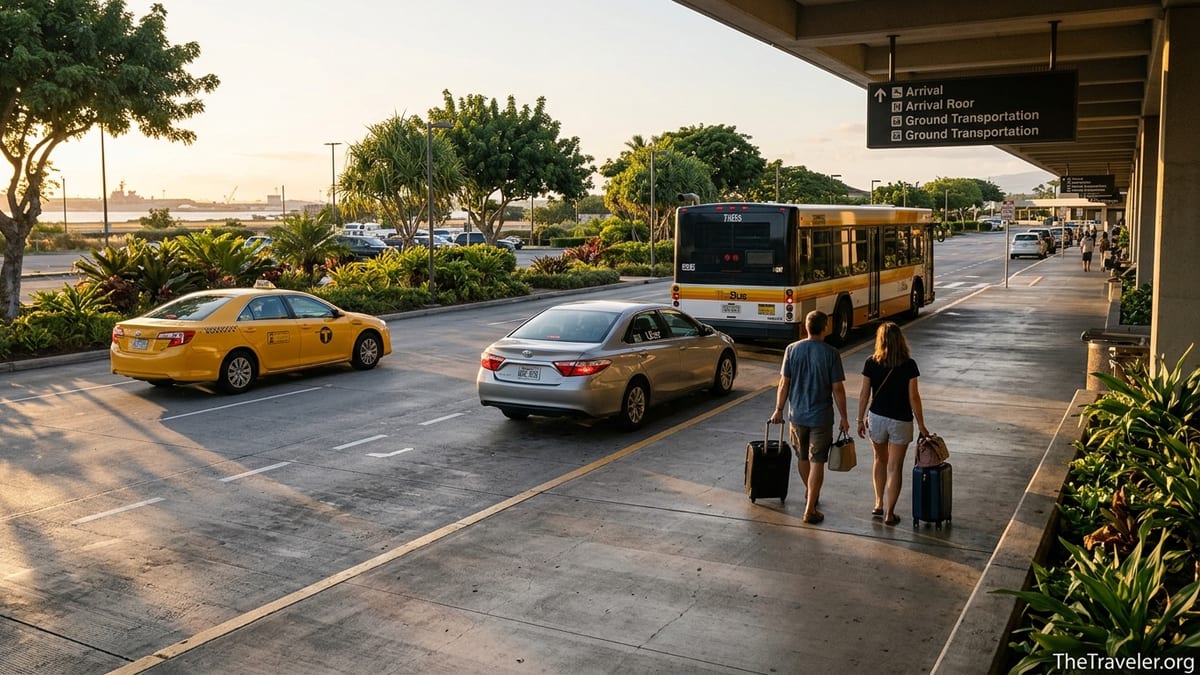
Understanding the Route from Honolulu Airport to Pearl Harbor
Pearl Harbor National Memorial, home to the USS Arizona Memorial and the main visitor center, lies roughly 4 to 6 miles west of Daniel K. Inouye International Airport depending on the specific route and terminal you start from. In light traffic, the drive can take as little as 10 to 15 minutes by car. In heavier afternoon congestion along Nimitz Highway and Interstate H‑1, it is safer to allow 25 to 35 minutes. For most travelers, this is the first encouraging discovery: Pearl Harbor is one of the closest major attractions to the airport.
There are two primary road corridors. Most taxis, shuttles, and rideshares follow Nimitz Highway past the airport’s western edge, then turn toward the Pearl Harbor Visitor Center entrance on Arizona Memorial Place. Some drivers instead jump briefly onto H‑1 before exiting toward Joint Base Pearl Harbor Hickam. Either way, you do not need to enter the military base to reach the memorial; the visitor center sits outside the secured base area with its own parking and drop-off zones.
From a practical standpoint, this proximity means you can often visit Pearl Harbor even on a fairly short connection in Honolulu, or on your way between the airport and a Waikiki hotel. Travelers with mid-morning arrivals and early evening hotel check-in times frequently use Pearl Harbor as a productive first stop rather than sitting in lobby chairs waiting for a room. The key is choosing the right transport and having a luggage strategy in place.
It also means that traffic patterns on just a few roads can make an outsized difference. Early mornings tend to be smoother, especially if you are heading straight from an overnight flight. Late afternoon, particularly weekdays between about 3 p.m. and 6 p.m., can slow the approach to both the airport and Pearl Harbor. When timing tickets for the USS Arizona Memorial program, factor in these windows so you are not rushing to make your assigned check-in time.
Taking a Taxi from HNL to Pearl Harbor
For many visitors, a traditional taxi is the simplest option after landing. Official airport taxis queue immediately outside the baggage claim areas at Honolulu airport, with dispatchers directing passengers to the next available cab. Because Pearl Harbor is closer than Waikiki, the ride is usually shorter and slightly cheaper than airport-to-hotel trips along the coast. While exact fares vary with traffic and meter time, you can expect a rough range in the neighborhood of 25 to a bit over 40 US dollars for a standard sedan carrying up to four passengers.
The main advantage of a taxi is near-zero planning. There is no app to load, no wait for a driver to navigate airport pickup lanes, and no need to figure out which side of the terminal you should stand on. This is especially appealing if you land with family, surfboards, or multiple checked bags. The driver will pull up at the Pearl Harbor Visitor Center’s designated drop-off area, which sits just ahead of the main parking lot. From there it is a short walk to the security checkpoint and ticket counters.
Taxis are also flexible on routing. If you discover that your Pearl Harbor timed ticket is still several hours away, you can ask the driver to swing past a nearby shopping center for breakfast or coffee before drop-off. A common real-world pattern is for red-eye passengers to stop at a diner or cafe in the Aiea or Pearl City area, then arrive at the visitor center closer to opening hours. Cabs are used to such small detours and will simply keep the meter running.
The trade-off is cost and predictability. Metered fares can climb quickly in peak traffic, and you may also pay modest surcharges for larger vehicles or late-night rides. If you are traveling solo on a budget, a taxi may feel expensive compared to public transport. However, for a family of four carrying luggage and eager to get moving, the per-person cost often compares favorably to shuttle services while saving time and hassle.
Using Uber or Lyft from the Airport
Rideshare services such as Uber and Lyft operate legally at Daniel K. Inouye International Airport and are widely used by visitors. After collecting bags, you follow airport signage for “Ride Share” or ask a staff member to direct you to the designated pickup zones, which are generally located across the inner roadway from the main terminal lobbies. Once you mark your pickup point in the app and enter “Pearl Harbor Visitor Center” or “1 Arizona Memorial Place” as your destination, you will receive an upfront fare estimate before you confirm the ride.
Typical prices to Pearl Harbor fluctuate with demand but are often slightly lower than or at least comparable to taxis. Many recent visitors report airport rides in the general band of around 20 to 40 US dollars for a standard rideshare from HNL to central Honolulu destinations, with Pearl Harbor usually falling at the lower end because of its shorter distance. When a large conference or popular concert swells demand, surge pricing can temporarily push fares higher, but you will always see the estimate before you commit.
One big practical advantage with rideshare is the ability to book a larger vehicle class in advance if you are traveling with a group or have several checked bags. For example, a family of five might request an UberXL to ensure enough seatbelts and trunk space for suitcases. Travelers on tight layovers sometimes use Uber Reserve features to schedule a pickup aligned with their arriving flight, giving extra peace of mind when they know they must reach a specific Pearl Harbor tour slot.
The main drawback, particularly in busy periods, is wait time. Around lunchtime and on cruise ship turnover days, drivers can be in high demand. It is wise to request your car only after you and your bags have reached the curb, then allow an extra 10 minutes beyond the app’s estimate in case your driver needs to loop the airport once. Rideshares are an excellent fit for tech-comfortable travelers who like cost transparency and a clean digital receipt for expense claims or shared trip costs.
Reaching Pearl Harbor by TheBus and Rail
Oahu’s public transit system, branded simply as TheBus along with its new Skyline rail line, offers the cheapest way to get from the airport area to Pearl Harbor. Adult cash fares for a single ride remain low, and the system has moved toward contactless or fare card payments that cap daily spending. For budget-conscious solo travelers and long layover visitors, this can be an appealing alternative to a 30 dollar car ride, especially when time is flexible.
At the airport itself, certain routes stop on the periphery along Nimitz Highway, while others connect via the nearby Skyline station. From there, buses such as Route 51 and other lines serving the Makalapa and Pearl Harbor area can bring you close to the memorial entrance. In practice, a common pattern is to ride rail or one bus segment from the airport vicinity to the Pearl Harbor neighborhood, then walk the final few hundred yards following clearly marked signs to the visitor center. Schedules and route structures are updated periodically, so it is wise to check the current system map or use a real-time journey planner when you land.
Expect the total transit time from the airport to Pearl Harbor by bus and rail to be in the 30 to 50 minute range, depending on transfers and waiting times. For example, a traveler arriving mid-morning might catch a bus within 10 minutes, ride 15 minutes down Nimitz Highway, then change to a connecting bus that stops near Pearl Harbor. Add in walking and you can comfortably plan for just under an hour. The trade-off is that you are managing your luggage on public transport seats and aisles, which can be awkward if you have large suitcases.
Public transit is best suited to backpack travelers, visitors who already know they like navigating city buses, and those with a very generous layover. A couple on a 9 a.m. to 4 p.m. daytime connection, for instance, might ride TheBus to Pearl Harbor, spend a few hours at the visitor center, and still have time for a casual lunch before returning to the airport by the same system. Families with young children or anyone on a tight schedule will usually be happier in a taxi or rideshare, even at a higher fare.
Driving Yourself: Rental Car Logistics
Renting a car at Honolulu airport can make sense if Pearl Harbor is only your first stop in a wider Oahu itinerary. All major brands operate at or near Terminal 2, with dedicated shuttle vans or walkable rental centers. After picking up your vehicle, you follow signs for the exit toward Nimitz Highway or H‑1 west and then look for the turnoff toward the Pearl Harbor Visitor Center. The drive is straightforward, largely following the same roads that taxis and rideshares use.
At Pearl Harbor, parking for visitors is currently free in a large surface lot adjacent to the entrance. This is one of the reasons many multi-day visitors like to include Pearl Harbor on a day when they already have a rental car; they can arrive early, park without additional cost, and depart on their own schedule once they have visited the memorials and museums that interest them. Spaces can fill mid-morning during peak tourism months or when large tour buses arrive, but early arrivals usually find parking without difficulty.
The downsides of driving yourself are familiar: dealing with traffic after a long flight, navigating an unfamiliar airport exit, and securing your belongings. While car break-ins are not guaranteed, they do occur on Oahu, so leaving all of your suitcases visible in a parked car while you tour Pearl Harbor for several hours is not recommended. Travelers who choose the rental car option on arrival day often plan to stop by their hotel first to drop luggage and check in, then continue to Pearl Harbor from Waikiki or Ko Olina with a mostly empty trunk.
Another factor is timing. Rental car counters at Honolulu can become busy in the mid-afternoon, and it is not unusual for paperwork and vehicle pickup to take 30 to 45 minutes. If you have reserved a tight USS Arizona Memorial time slot, it may be less stressful to use a taxi or rideshare straight from the terminal and collect your rental car later in the trip. On the other hand, if you are arriving on an early morning flight from the mainland with several relaxed hours before your visit, picking up a car first can set you up conveniently for the rest of your stay.
Tour Pickups and Pearl Harbor Packages
Many visitors book Pearl Harbor as part of a half-day or full-day tour that includes transportation from Waikiki hotels. However, it is also possible in some cases to arrange pickup directly from the airport, either through small-group operators or private tours. This can work well for travelers who want a guided experience without needing to organize taxis, tickets, and timing themselves. If you go this route, confirm in writing whether the company actually collects guests at HNL or only from hotel zones.
In practice, a frequent pattern looks like this: a couple lands mid-morning from the mainland, clears immigration and baggage claim, and meets a prearranged driver just outside the terminal. The tour vehicle carries them and a handful of other guests to Pearl Harbor, where the guide distributes USS Arizona Memorial program tickets and explains the layout of the site. After visiting the memorial, the group may continue on to additional stops such as the Battleship Missouri, the Pacific Fleet Submarine Museum, or a brief city drive through downtown Honolulu before being dropped at their Waikiki hotel late afternoon.
The convenience is real. You are not worrying about parking or reading bus timetables, and your guide can add historical context en route. For travelers who may find Pearl Harbor emotionally heavy, having a knowledgeable local lead the day can also provide structure and support. On the other hand, tours tend to be more expensive per person than self-organized visits, and they are less flexible if you decide midway through that you wish to spend longer in a particular museum or leave early.
Airport pickups by tour operators also require clear coordination around flights. Delays are common, and reputable companies generally monitor arrival times or build in buffer windows. Be candid when you book: if your scheduled landing is close to the first Pearl Harbor time slot included in the tour, ask what happens if the flight is an hour late. Some operators will shift you to a later slot; others may not be able to accommodate changes on busy days. That answer should shape whether you commit to an airport pickup or instead plan to reach Pearl Harbor independently.
Luggage Storage: Airport, Pearl Harbor, and Workarounds
The most important practical rule to know before heading from the airport to Pearl Harbor is that the Pearl Harbor National Memorial enforces a strict no-bags policy at the visitor center and memorials. Any bag that conceals its contents beyond very small dimensions is prohibited inside security screening, which includes standard purses, backpacks, camera bags, and all suitcases. Clear plastic bags within specified size limits are usually the only exception. This catches many travelers by surprise, especially those who land with carry-on backpacks and plan to go straight to the site.
Fortunately, there are storage solutions. At the Pearl Harbor Visitor Center entrance, a baggage storage facility operated near the Pacific Fleet Submarine Museum offers secure paid storage for everything from small daypacks to full-size rolling luggage. Fees are per item and typically run in a modest range that increases slightly for larger bags. You leave your belongings there, receive a claim ticket, and retrieve them at the end of your visit before returning to your transport. This option is often the easiest for travelers on a long layover who want to keep their entire visit within the Pearl Harbor area.
At the airport, Honolulu offers luggage storage services in Terminal 2 near certain baggage claim areas, run by commercial providers accustomed to both local residents and international visitors. Many travelers on late-night flights out of Honolulu use these services to store large suitcases for the day while they explore, then return a couple of hours before departure to pick up their bags and check in. If you plan to go straight from Pearl Harbor back to the airport for an evening flight, this can be a particularly efficient pattern: store luggage at HNL in the morning, ride taxi, rideshare, or TheBus to Pearl Harbor with only a small clear bag, then reverse the journey later.
Another workaround is hotel-based storage. Travelers whose final stop is a Waikiki or Ko Olina resort sometimes head directly from the airport to the hotel, leave bags with bell staff, and then continue to Pearl Harbor with almost nothing in hand. This is safest from a security standpoint because you are not leaving valuables in parked cars or scattering important items across multiple storage locations. For example, a family arriving at 9 a.m. might taxi to their Waikiki hotel by 9:45, leave their suitcases at the bell desk, grab quick showers if a hospitality room is available, and then rideshare from the hotel to Pearl Harbor for an 11:30 or noon arrival.
Should You Visit Pearl Harbor Right After Landing?
The idea of heading straight to Pearl Harbor after landing is appealing: it makes efficient use of time, gets a major historical site onto your schedule early, and can help fill awkward hours before hotel check-in. However, a few practical and emotional factors are worth weighing. Pearl Harbor is not a casual beach stop; for many visitors it is a solemn, emotionally charged experience that deserves alert attention rather than jet-lagged shuffling.
Consider your flight length and arrival time. Visitors from the US West Coast landing around mid-morning often find they are tired but functional and can comfortably handle a few hours at the memorial before an early bedtime. A realistic example might be a 6 a.m. departure from Los Angeles, arrival in Honolulu around 9:30 a.m., and arrival at Pearl Harbor by 10:30 or 11 a.m. after immigration, baggage, and transport. That leaves enough time for the USS Arizona program and a walk through the museums before leaving mid-afternoon for your hotel and a much-needed rest.
In contrast, travelers arriving from the East Coast or Europe after 10 or 12 hours of flying and several time zones of jet lag may be better served by a gentler first day. If you know from experience that you are foggy and impatient when exhausted, you might choose instead to head directly to your hotel, take a nap or a low-key walk along Waikiki Beach, and schedule Pearl Harbor for your second or third morning when your body clock has settled. In this scenario, passing by Pearl Harbor on the way from the airport will simply serve as a helpful mental note of its location rather than a must-do stop.
Layover length is another crucial piece. To visit Pearl Harbor between flights, you will want at least five to six hours of total connection time, and more if your arriving flight is international. That rough window allows for immigration, baggage or secure storage, transport time, security and ticketing at Pearl Harbor, the boat ride and memorial visit, and a return to the airport with a safety buffer for security screening. Shorter layovers can work for a quick look at the visitor center exhibits but will feel rushed for the full experience.
The Takeaway
Getting from Honolulu’s Daniel K. Inouye International Airport to Pearl Harbor is logistically straightforward, and the short distance between them makes the visit an attractive option either on arrival day or during a long layover. Taxis and rideshares provide the fastest, most intuitive transfers, while TheBus and Skyline rail give budget-conscious travelers a slower but highly affordable alternative. Rental cars and tour pickups add layers of flexibility or guidance, depending on your style.
The most important details to keep in mind are practical ones. Pearl Harbor’s strict bag policy means you must plan for luggage storage, whether that is at a visitor center facility, an airport locker, or a hotel bell desk. Timed tickets for the USS Arizona Memorial require you to allow generous buffers for traffic and airport formalities. Finally, your own energy level after a long flight should shape the schedule; honoring the emotional weight of the memorial works best when you are rested enough to engage fully.
With a bit of advance thought about your chosen route, luggage plan, and timing, visiting Pearl Harbor soon after landing can be one of the most meaningful and smoothly executed experiences of your Oahu trip. Whether you stand on the memorial platform on day one or day three, knowing exactly how to get there from the airport lets you focus less on logistics and more on reflection.
FAQ
Q1. How long does it take to get from Honolulu airport to Pearl Harbor by car?
In light traffic, the drive is often 10 to 15 minutes; during busy afternoon periods you should allow around 25 to 35 minutes from terminal curb to visitor center drop-off.
Q2. Is it realistic to visit Pearl Harbor during a layover in Honolulu?
Yes, if your layover is at least five to six hours, you can often store luggage at the airport, taxi or rideshare to Pearl Harbor, visit the memorial, and return with a time buffer.
Q3. Can I take public transport from the airport to Pearl Harbor?
Yes, Oahu’s TheBus system and the Skyline rail connect the airport area with stops near Pearl Harbor, but you should plan 30 to 50 minutes each way and check current routes and timetables.
Q4. Are bags and backpacks allowed inside the Pearl Harbor Visitor Center?
No, most bags, backpacks, purses, and all luggage are not allowed past security; only very small or clear bags within strict size limits are permitted, so plan to use storage if needed.
Q5. Where can I store my luggage if I go straight from the airport to Pearl Harbor?
You can use paid baggage storage services at Honolulu airport or the secure bag storage facility near the Pearl Harbor Visitor Center entrance, both of which accept larger suitcases.
Q6. Which is cheaper from the airport to Pearl Harbor, taxi or Uber/Lyft?
Rideshares like Uber or Lyft are often slightly cheaper on average, but prices for both depend on traffic, demand, and time of day, so always compare the current app fare to a typical taxi cost.
Q7. Is renting a car on arrival a good way to visit Pearl Harbor?
It can be, especially if you plan to keep the car for the rest of your trip, but allow extra time for rental pickup and avoid leaving valuables or full luggage visible in a parked vehicle.
Q8. Do Pearl Harbor tours offer pickup directly from Honolulu airport?
Some small-group and private tours may arrange airport pickups, but policies vary; confirm in advance whether they collect at HNL or only from hotel areas like Waikiki or Ko Olina.
Q9. What is the best time of day to visit Pearl Harbor after landing?
Morning visits are generally quieter and cooler, and they fit well for travelers arriving from the US mainland mid-morning; very late-day arrivals may be better off visiting on another morning.
Q10. Should I go to my hotel first or visit Pearl Harbor immediately after landing?
It depends on your energy and schedule; if you are arriving rested with a mid-morning landing, going straight to Pearl Harbor can work well, but if you are exhausted or arriving late, hotel first is usually wiser.