


More news on this day
Erbil International Airport is facing a new test in 2026 as regional conflict, shifting airspace restrictions, and rolling schedule changes ripple through key routes linking the Kurdistan Region to Turkey, Jordan, and the United Arab Emirates.
Get the latest news straight to your inbox!
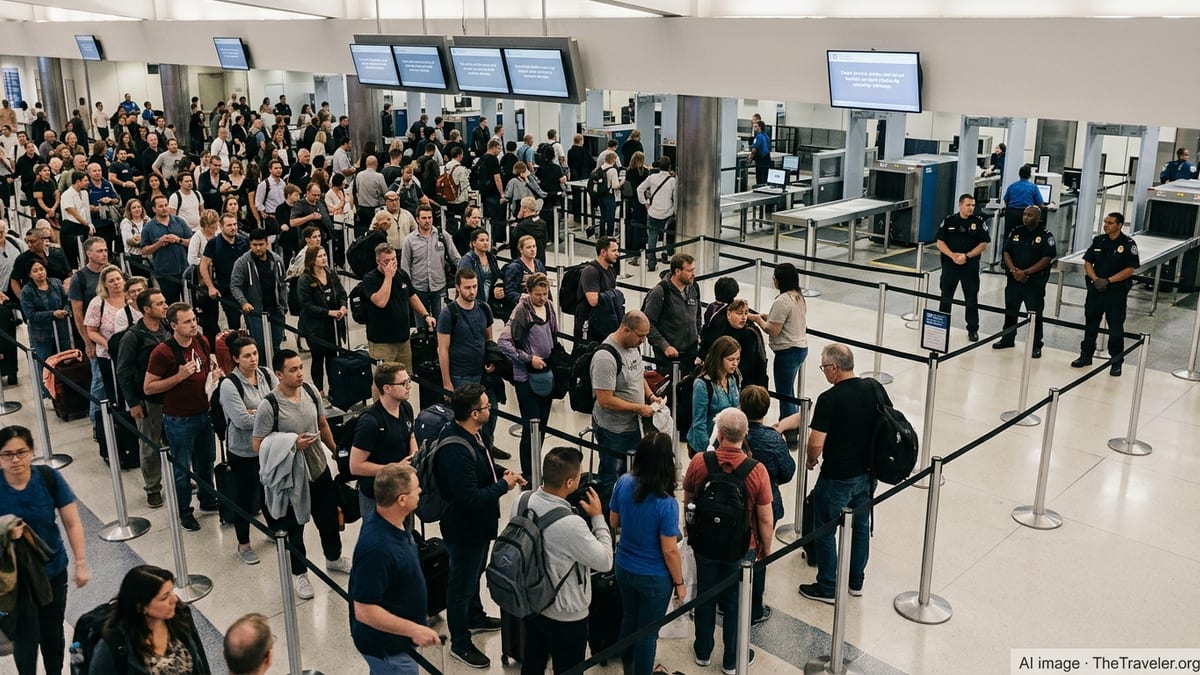
Regional Tensions Reshape Erbil’s Flight Map
Erbil International Airport has remained physically open and broadly operational through much of 2026, even as regional airspace has become one of the most volatile in the world. Publicly available information shows that Iraqi airspace was fully closed several times during the first half of the year, prompting temporary suspensions of all commercial flights before a phased reopening restored normal operations in June.
Despite this return to routine, connections to Turkish, Jordanian, and Emirati gateways have been repeatedly affected by decisions taken far beyond Erbil. Airlines, regulators, and air navigation authorities in multiple states have imposed rolling restrictions on flight paths over Iraq, Iran, and the Gulf, forcing carriers to cancel, reroute, or significantly delay services. As a result, the airport’s on-time performance has become heavily dependent on conditions in Istanbul, Amman, Dubai, and regional control centers rather than on local infrastructure.
Data compiled by independent aviation trackers and regional travel outlets in mid-July indicate that Erbil recorded a cluster of at least fifteen cancellations and several delays over a single 24-hour period, mostly on routes linking the city with Turkey, Jordan, Gulf hubs, and onward European destinations. The disruptions coincided with renewed guidance from European and regional safety agencies advising airlines to avoid parts of Middle Eastern airspace, underlining how quickly geopolitical changes can cascade into airport-level irregular operations.
Managing Cancellations on Turkish Routes
Links between Erbil and Turkish hubs such as Istanbul and Ankara remain among the busiest in the airport’s schedule. In 2026 these routes have been repeatedly exposed to the broader wave of cancellations and delays affecting Turkish carriers serving the conflict-affected Middle East. Industry notices, passenger advisories, and social media accounts tracking airline performance describe multiple periods in which airlines scaled back or suspended flights to destinations including Erbil, Amman, and Gulf cities as airspace corridors narrowed.
Flight-status records show that, on days when Turkish airports experience widespread disruption due to rerouting and holding patterns, Erbil-bound services are often among those first to be delayed or canceled. The pattern reflects the relatively short-haul nature of the route and the need for airlines to prioritize long-haul aircraft and heavily booked trunk services when schedules compress. For Erbil passengers, this has translated into last-minute changes, rolling delays at origin airports, and missed onward connections.
In response, Erbil’s airport operator has leaned on established irregular-operations playbooks. Publicly available guidance encourages travelers to confirm flight status with airlines before heading to the terminal, while local media coverage indicates that ground handling teams have been reassigning gates and staggering check-in to absorb late-arriving aircraft from Turkey. Airlines operating the Erbil–Turkey corridor have generally offered rebooking on the next available flights, and in some cases have expanded options for free date changes or refund requests during peak disruption windows.
Observers note that these measures do not eliminate the frustration caused by repeated last-minute changes, but they do provide a structured framework for managing knock-on effects. The airport has been able to keep runways and terminal operations largely fluid, with cancellations concentrated on specific rotations rather than cascading into full-day shutdowns.
Jordanian Gateway Under Pressure from Airspace Closures
Amman’s Queen Alia International Airport remains a critical onward hub for passengers traveling between Erbil and destinations in Europe, North America, and the wider Middle East. In 2026, however, Jordan’s airspace has periodically closed or partially restricted operations in response to escalating regional conflict, directly impacting flights to and from Erbil.
Recent coverage by regional news outlets shows that arriving services from Erbil to Amman have appeared among cancelled flights during renewed security alerts in July, alongside routes from Bahrain, Damascus, and other cities. Regulators in Jordan have toggled between closure and controlled reopening, which in turn forces airlines to repeatedly adjust schedules, sometimes with only a few hours’ notice.
Royal Jordanian and other carriers have attempted to cushion the impact through expanded flexibility for affected passengers. Public travel updates describe options for free rebooking within defined windows, refunds on unused segments, and in some cases the ability to reroute via alternative gateways when seats are available. For travelers starting or ending their journey in Erbil, however, the operational reality remains that a closed Jordanian airspace effectively severs one of the airport’s most important regional links.
Airport performance data suggests that Erbil’s strategy has focused on avoiding ground congestion when Amman-bound flights are pulled from the schedule. Carriers are encouraged to finalize plans before opening check-in, and local reports indicate that passengers already at the airport are being redirected to airline service desks for itinerary changes rather than being held in security areas. This approach reduces pressure on departure halls and seeks to avoid situations where large numbers of passengers must be re-screened when flights are reinstated.
Connecting to the UAE Amid Gulf Airspace Uncertainty
Services between Erbil and the United Arab Emirates, particularly Dubai, have also felt the impact of 2026’s turbulent airspace environment. Gulf hubs have experienced intermittent suspensions and capacity reductions following missile and drone incidents in the wider region, as well as precautionary restrictions issued by international aviation safety bodies.
Travel advisories and community reports from early spring documented periods in which airlines temporarily halted or reduced flights across the Gulf, including services that typically overfly Iraq and Iran. Some carriers suspended operations to certain Middle Eastern destinations entirely for days or weeks, while others relied on complex rerouting that lengthened flight times and reintroduced schedule uncertainty. Erbil’s links to Dubai and other Emirati airports were part of this broader pattern.
To manage these swings, Erbil International Airport has relied heavily on real-time coordination of slot times and stand assignments. When UAE-bound flights are cancelled, departure banks are rebalanced around remaining services to Turkey, Jordan, and domestic Iraqi destinations. Regional media indicate that airport communication channels, including public-facing announcements and airline notifications, have emphasized the need for passengers with Gulf connections to monitor booking tools closely and avoid traveling to the terminal without confirmed departures.
Airlines operating the Erbil–UAE corridor have generally mirrored flexible policies adopted elsewhere in the Gulf, offering fee-free changes and, in certain cases, extended travel-validity periods for tickets issued before key disruption dates. These measures are designed to keep itineraries intact while avoiding excessive crowds at airport counters during peak uncertainty.
Operational Playbook: NOTAMs, Data Monitoring, and Passenger Support
Underlying Erbil International Airport’s response is a more technical layer of planning built around Notices to Air Missions (NOTAMs), real-time performance data, and established guidance for handling irregular operations. Aviation databases for 2026 show a regular flow of NOTAMs affecting Iraqi airspace and procedures at Erbil, including temporary restrictions related to security events and traffic management measures intended to keep flows stable during periods of regional congestion.
Industry guidance on airport irregular operations encourages operators to adopt structured contingency plans, including predefined communication protocols, surge staffing for passenger services, and flexible use of terminal space. Publicly available material from aviation authorities and airport associations highlights the importance of aligning NOTAM-driven operational changes with clear messaging to airlines and travelers. Erbil’s experience this year suggests that these principles are increasingly central to its daily management of cancellations and delays tied to regional gateways.
Local news coverage and airline announcements indicate that the airport and its users are emphasizing transparency around rebooking rules and passenger rights, particularly when disruptions originate in foreign jurisdictions such as Turkey, Jordan, or the UAE. Carriers serving Erbil from those hubs have set out conditions for free changes, refunds, or travel vouchers during defined disruption periods, giving travelers a more predictable framework for decision-making when flights are pulled.
While the overall volume of cancellations and delays remains higher than in calmer years, the airport’s ability to resume normal operations quickly after airspace reopenings has been notable. Once Iraqi skies were reopened in June, carriers based in Erbil moved rapidly to restore full schedules, suggesting that the main constraints lie in regional conflict dynamics rather than local capacity. How long this balance can be sustained will depend on developments in surrounding airspace, but 2026 has already underscored Erbil’s role as a resilient, if vulnerable, node in the Middle East’s shifting aviation network.