


Proper planning keeps minor headaches from ruining a great vacation. Smart travelers balance spontaneous detours with structured logistics to stay safe and comfortable across every leg of the journey.

Setting Your Complete Travel Budget
Financial planning keeps long trips stress-free from start to finish. Knowing the cost of a used membership helps budget-conscious travelers lower total lodging expenses across multiple states. Tracking daily fuel and grocery costs early prevents sudden spending surprises.
Set realistic daily spending caps for occasional splurges on local attractions and dining out. Keeping an emergency fund ready provides peace of mind when unexpected mechanical issues arise. Prepared travelers track receipts using mobile apps to stay within calculated limits.
Creating a flexible financial strategy accounts for varying gas prices across state lines. Some regions charge higher rates for fuel and overnight parking. Allocating extra funds for toll roads and park entrance permits keeps daily travel smooth.
Understanding the RV Lifestyle Growth
More families than ever are choosing mobile living for their annual vacations. Over 11 million American households currently own a recreational vehicle for personal travel. Newer owners quickly discover the joy of waking up right next to scenic trailheads. Having standard home amenities on wheels simplifies routines during long cross-country drives.
Adapting to campground reservation demand comes with some early action from prospective vacationers. Popular destinations open booking windows many months before peak summer travel seasons kick off.
Booking Camping Spots in Advance
Securing reservations early avoids the stress of pulling into full parks at dusk. More than 70 percent of long-distance travelers reserve their campsites 6 months ahead of time. Locking in prime spots early gives access to full hookups and good views.
Spontaneous road trips sound exciting, but peak summer weekends leave zero room for error. Keeping a backup list of public boondocking areas helps if major park spots are taken. Storing offline maps on mobile devices guarantees navigation access in remote mountain regions without cell service.
Many popular state parks feature online portals that make changing reservations straightforward. Review cancellation policies to protect your investment if weather alters travel plans. Mid-week stays offer lower nightly rates and quieter surroundings.
Managing Road Trip Expenses
Lodging and gas constitute the vast majority of ongoing vacation spending. Fuel and campground reservations account for nearly 65 percent of a typical trip budget. Planning routes cuts down on unnecessary miles driven between destinations.
Smart camping passes offer massive long-term savings for frequent highway travelers. Budgeting for camp memberships can cut nightly campground fees by up to 60 percent. Combining discount passes with off-peak travel dates keeps total expenses low throughout the entire year.
Monitoring tire pressure and maintaining steady highway speeds improves fuel economy. Avoid driving during peak traffic hours near major metropolitan areas to reduce wasteful idling time. Carrying reusable water bottles and meal prepping at camp cuts convenience store spending.
Exploring Secondary Market Memberships
Buying pre-owned access passes gives budget travelers premium network privileges for less cash upfront. Resale memberships sell for 30 to 50 percent below original retail contract prices. Securing these discounted contracts provides full network benefits without steep initiation charges.
Buyers should review all contract terms before signing secondary market paperwork. Administrative transfer fees for secondary market memberships usually range between $250 and $750. Clarifying these administrative costs upfront prevents unexpected contract surprises.
Working with verified brokers guarantees legitimate ownership transfer and accurate contract documentation. Asking sellers for current fee statements confirms that all annual dues are up to date.
Packing Efficiently for Highway Fuel Savings
Heavy rigs consume massive amounts of gasoline on steep mountain passes. Packing light reduces fuel consumption by up to 5 percent on long highway stretches. Eliminating unnecessary gear lowers total rig weight and improves handling on rough roads. Here are simple ways to keep vehicle weight low:
- Empty waste tanks before highway travel
- Carry lightweight cooking equipment instead of heavy cast iron
- Purchase heavy groceries after reaching your destination town
Overloading storage bays puts unnecessary strain on tires and suspension components. Weighing your loaded vehicle at a commercial truck scale confirms safe operating weight limits. Distributing heavy items evenly across lower cabinets stabilizes the vehicle during sharp turns.
Preparing Your Vehicle for Long Distance Drives
Routine mechanical maintenance prevents breakdown delays far away from assistance. Checking tire pressure, brake pads, and engine fluid levels before leaving home guarantees smooth highway trips. Replacing worn wiper blades and testing exterior lights keeps night driving safe.
Carry basic hand tools for minor interior rattles or plumbing drips. Prepared drivers enjoy the journey far more when small mechanical hiccups stay manageable. Packing spare fuses and extra engine oil solves common minor road glitches.
Scheduling a professional inspection before multi-week journeys catches hidden mechanical issues early. Keeping roadside assistance active provides immediate support when severe breakdowns happen.
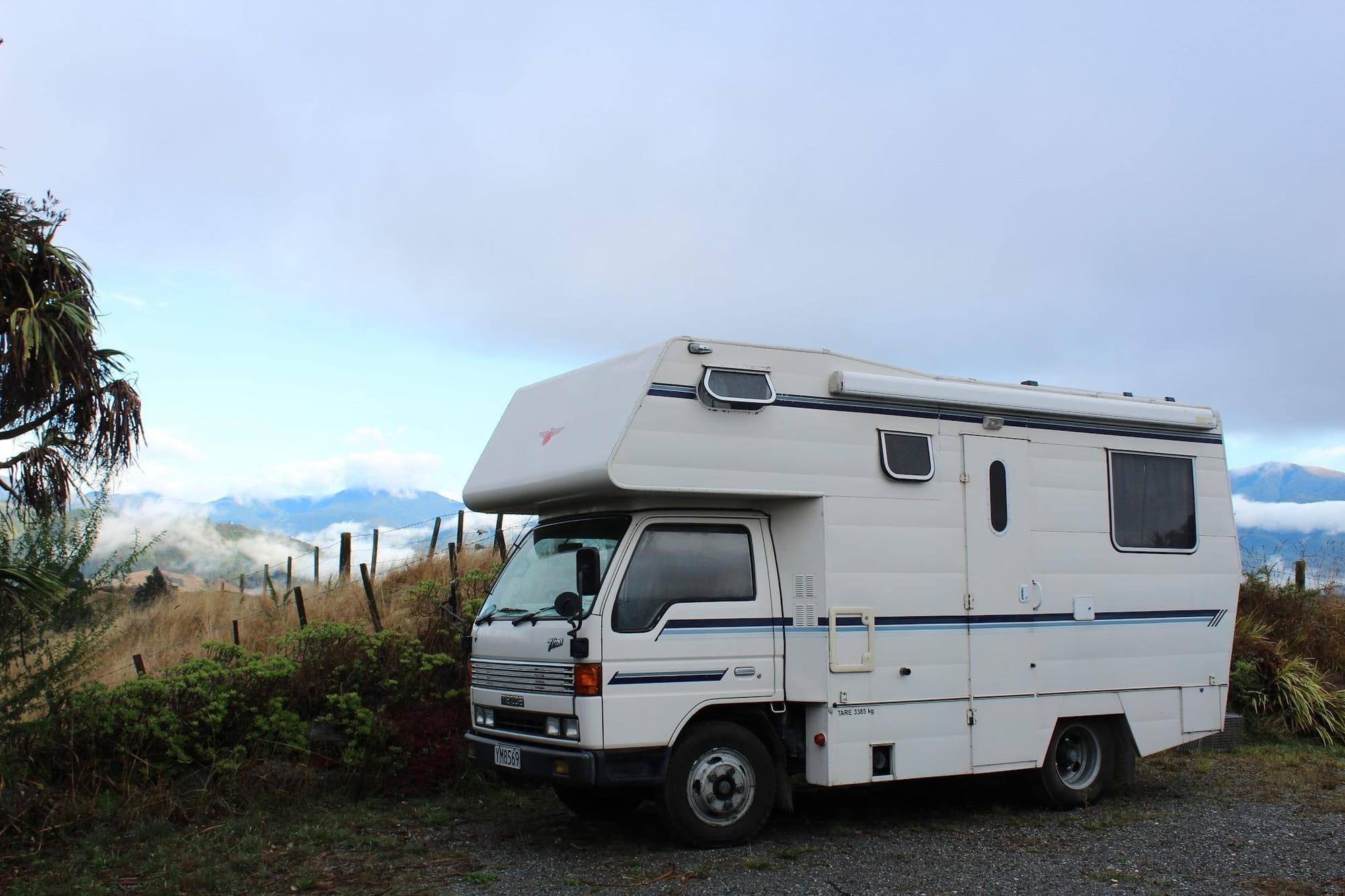
Planning a long motorhome journey takes effort, but the freedom of the open road makes every step worthwhile. Establishing a clear budget, booking sites early, and managing vehicle weight creates seamless trips filled with great memories. Steer your rig toward new horizons and enjoy every mile ahead.