


More news on this day
With peak summer travel in full swing, many would-be visitors are asking whether France and Spain are still safe destinations. Official advisories from several governments continue to rate both countries as broadly safe for tourism, but they also highlight a mix of security alerts, climate-related disruptions and petty crime that travelers need to factor into their plans.
Get the latest news straight to your inbox!
What Official Advisories Say About France and Spain
Government travel advisories updated in late July 2026 portray France and Spain as relatively safe but not risk-free destinations. The United States currently advises exercising increased caution in Spain, citing terrorism and unrest, while France is treated as a standard European destination where travelers should remain aware of their surroundings. Other European governments describe both countries as broadly stable, though they draw attention to security and climate-related issues.
Recent updates from European foreign ministries note that France and Spain are operating normally, with airports, rail networks and hotels open and busy with summer visitors. Tourism data from Spain shows record international arrivals in 2025 and strong demand continuing into 2026, an indication that most travelers and tour operators still view the country as viable for leisure trips.
At the same time, public information from several advisory services stresses that risk levels can vary by region and by date. Large cities such as Paris, Barcelona and Madrid are flagged for higher rates of petty crime and a concentration of demonstration activity, while certain rural and coastal areas are more exposed to wildfires or extreme weather events.
Overall, current guidance does not discourage travel outright. Instead, it frames trips to France and Spain as reasonable for most visitors who are prepared to follow local news, heed security alerts and adjust itineraries when disruption occurs.
Security, Protests and Everyday Crime
Security assessments for both France and Spain continue to reference a persistent but diffuse terrorism risk. Publicly available summaries explain that European security services consider tourist sites, transportation hubs and crowded public venues to be potential targets, even during periods without specific attack warnings. This is not new, but it remains a key reason some governments keep their advisories for Spain at a heightened caution level.
France and Spain also experience periodic demonstrations, often linked to domestic politics, economic issues or regional autonomy debates. Travel advice notes that protests are usually announced in advance and are heavily concentrated in city centers. While most remain peaceful, they can cause delays, temporary closures and occasional clashes, making it sensible for visitors to avoid large gatherings and monitor local media when moving around major cities.
For most travelers, however, the most immediate safety concern is petty crime. Tourist information services in Paris, Barcelona and other popular cities highlight pickpocketing and bag snatching on public transport, around major monuments and in nightlife districts. Recent guidance stresses basic precautions such as keeping phones and wallets out of back pockets, using money belts or interior pockets, and being wary of distraction tactics in crowded spaces.
Available crime data and tourism reports suggest that violent crime against visitors remains relatively rare, particularly outside nightlife zones in large cities. Police and municipal authorities in major tourist regions continue to promote dedicated tourism security units and multilingual information campaigns aimed at reducing opportunistic theft.
Heatwaves, Wildfires and Climate-Related Risks
One of the most notable shifts in recent travel advice for both France and Spain is the growing emphasis on climate-related hazards. Updated guidance from European governments in late July 2026 points to episodes of intense summer heat affecting large parts of southern and western Europe, including popular city-break and beach destinations.
Public health and meteorological agencies in France have issued repeated warnings this summer about high temperatures in urban areas such as Paris, Lyon and Marseille. Travel advice highlights the risks these conditions pose to children, older travelers and anyone with underlying health issues, particularly in dense city neighborhoods where shade and air conditioning may be limited. Visitors are encouraged to plan indoor activities during afternoon peak heat, stay hydrated and pay attention to local heat alerts.
Spain faces similar challenges. Tourism and safety information from Spanish and international sources notes that parts of Andalusia, Catalonia and the interior plateau have already seen very hot days this season, occasionally triggering heat advisories. In rural and coastal areas, authorities have raised concerns about wildfire risk, with some foreign ministries specifically mentioning seasonal fires in their late July updates on France and Spain.
These conditions do not make travel impossible, but they do change the risk profile. Travelers planning outdoor hiking, rural stays or road trips through forested regions should check local fire maps, respect any trail or road closures, and reconsider risky activities when alerts are elevated. City visitors, meanwhile, may want to book accommodation with reliable cooling and factor slower, shorter sightseeing days into their plans.
Transport Disruptions and Practical Considerations
Beyond core safety concerns, travelers to France and Spain in mid-2026 face a familiar set of practical challenges, including strikes, crowded infrastructure and occasional weather-related disruption. Updated French travel advice continues to warn that industrial action can affect rail services, local public transport and sometimes flights, leading to delays or cancellations at short notice.
In Spain, transport is generally operating normally, but recent reports describe periodic rail or metro stoppages linked to labor disputes or infrastructure issues. Tourism boards and foreign ministries alike recommend checking schedules frequently, building buffer time into connections and carrying digital copies of tickets in case of system outages or changes.
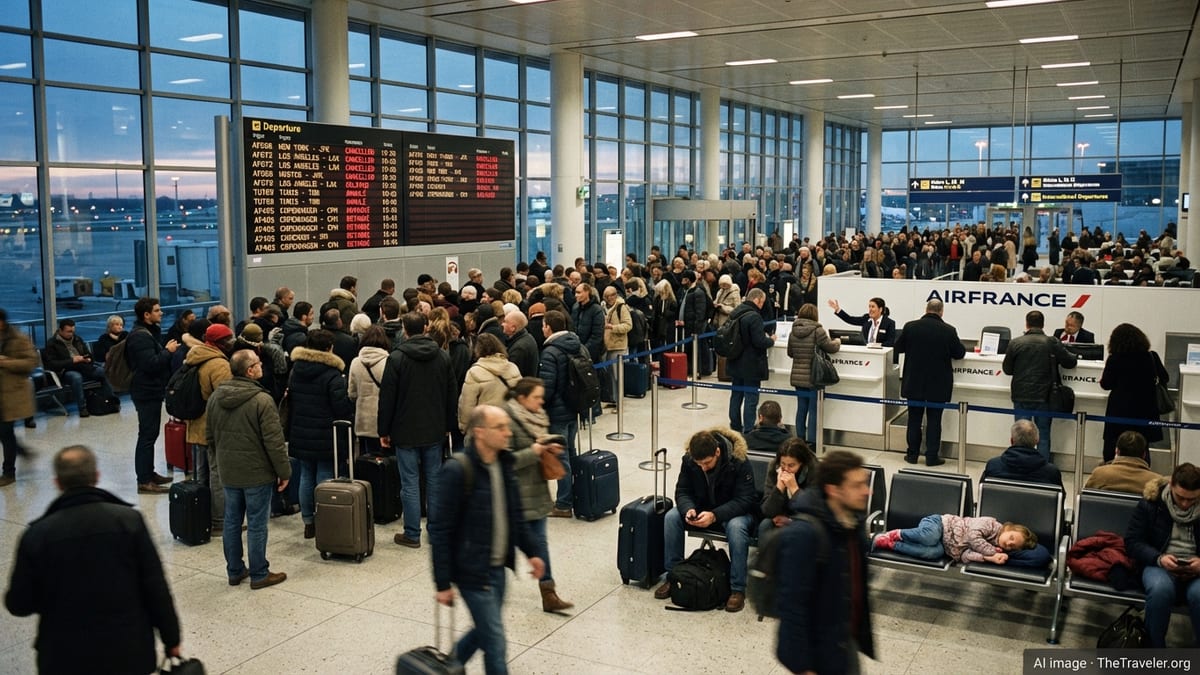
Airports in Paris, Barcelona, Madrid and other major hubs are experiencing heavy peak-season traffic. Passenger feedback and local press coverage indicate longer security lines and pressure on baggage handling, without systemic safety problems. Travelers are advised to arrive early, keep valuables in carry-on bags and prepare for occasional delays, especially when connecting between flights or switching from air to rail.
Insurance providers and consular information pages also encourage visitors to review coverage for medical care, trip interruption and extreme weather. Given the rising prominence of heatwaves and wildfires in European summers, policies that account for climate-related disruption are increasingly being flagged as a prudent safeguard for trips to France, Spain and neighboring countries.
How Travelers Can Assess Their Own Risk
For those deciding whether to go ahead with summer or autumn plans, the current picture is nuanced. France and Spain remain two of the world’s most visited countries, and tourism continues largely unabated. Yet official advisories and local updates make clear that travelers cannot assume a frictionless experience, especially during the hottest months.
Experts in risk communication often emphasize that personal circumstances matter. A healthy adult on a flexible city-break itinerary faces a different set of concerns than a family with small children planning to tour multiple regions during peak heat. Government advisories and tourism offices suggest that travelers consider their own health profiles, appetite for disruption and willingness to adapt daily plans in response to evolving conditions.
Checking multiple advisory sources before departure can help provide a fuller picture. Comparing guidance from one’s home country with information published by French and Spanish authorities, as well as regional tourism boards, can reveal local nuances and emerging issues such as new wildfire zones, transport strikes or security operations around major events.
In the current environment, the consensus of public information is that trips to France and Spain can proceed, provided visitors treat safety and disruption as active planning factors rather than afterthoughts. Staying informed, staying flexible and treating heat and petty crime as manageable risks rather than background noise are central to traveling responsibly in both countries right now.