


The French Riviera, or Côte d’Azur, is one of those names that instantly conjures images of palm trees, superyachts and sun‑bleached stone lanes. Yet when you actually start pricing hotels in Nice for July or checking how crowded Cannes gets during peak season, a fair question appears: is the French Riviera really worth visiting, or has the hype raced ahead of reality? In 2026, with higher prices, new cruise‑ship limits and bigger summer crowds, the answer depends a lot on what kind of trip you want. This guide breaks down what travelers should know before committing to the Riviera, with concrete examples to help you decide if it fits your time, budget and travel style.
Get the latest updates straight to your inbox!
What Makes the French Riviera Special Today
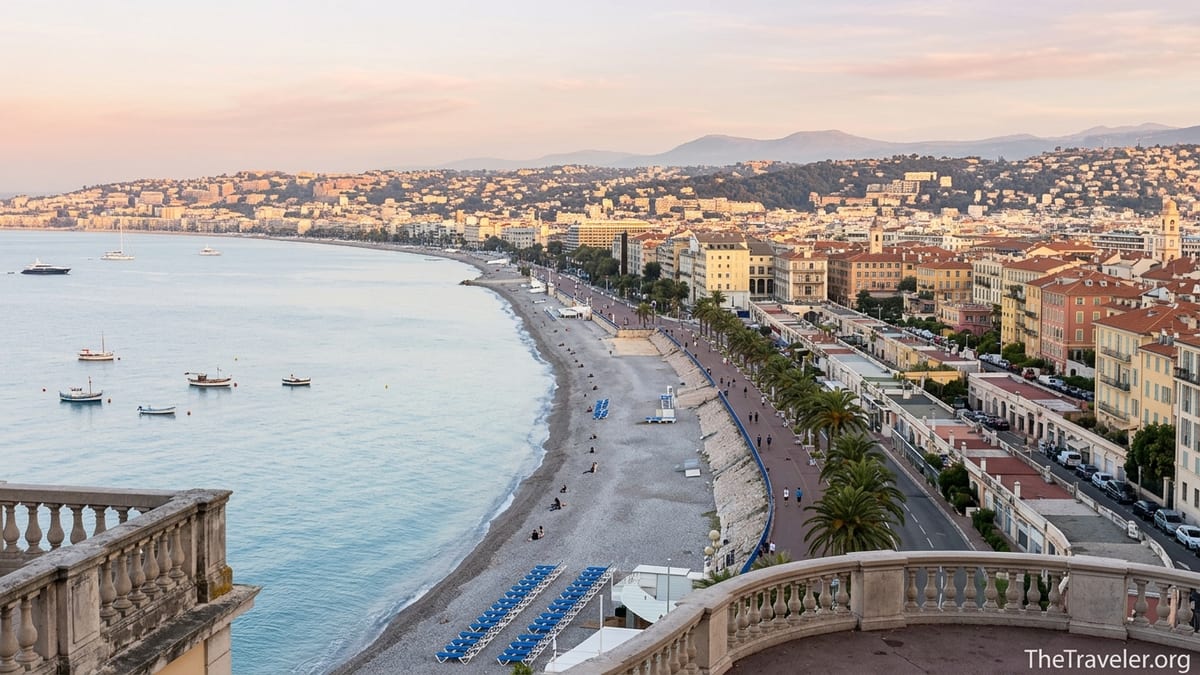
At its best, the French Riviera delivers exactly what people dream about: Mediterranean light, an easy network of coastal trains, historic old towns and a concentration of culture and dining you rarely find on a beach‑focused coast. Nice itself has a UNESCO‑listed city center and a seafront promenade framed by Belle Époque facades and pebble beaches. A 20‑minute train ride brings you to Antibes with its fortified walls and Picasso Museum, or to Cannes with its film‑festival chic and a harbor packed with yachts.
Unlike remote island destinations, the Riviera layers beach life with real urban energy. In a single day you might have a morning espresso in Nice’s Old Town, take the TER coastal train to Villefranche‑sur‑Mer for a swim, then end the evening at a neighborhood bistro in the residential Libération district instead of the tourist core. This mix of local life and resort feel is what still draws both first‑timers and repeat visitors.
The region has also invested steadily in tourism infrastructure. Official Côte d’Azur figures show hotel occupancy and revenue per room rising again in 2024, reflecting both strong demand and a continuous upgrade in hotel stock and services. New boutique properties in Nice and Antibes have added more mid‑to‑upper‑range options between simple two‑star hotels and ultra‑luxury palaces.
At the same time, authorities are responding to overtourism, especially from cruise ships. Since 2025, large ships carrying more than about 900 passengers face tighter limits at ports such as Nice and Villefranche‑sur‑Mer, with caps on daily calls and passenger numbers. This has begun to smooth out some of the most intense day‑trip crowds in peak season, although summer streets can still feel packed.
Pros: Why the Riviera Can Be Absolutely Worth It
The biggest reason the Riviera still justifies its reputation is how compact and connected it is. Using Nice as a base, you can reach Antibes in roughly 25 minutes by regional train, Cannes in about 35 minutes, and Monaco in around 25 minutes. Trains run generally every 20 to 30 minutes during the day, so you rarely need a car unless you want to explore rural hinterlands.
For many visitors, the coastline’s variety across short distances is the main appeal. Nice has wide pebble beaches and a big‑city atmosphere. Antibes offers sandy coves and a smaller old town with ramparts overlooking the sea. Cannes serves up polished shopping streets and beach clubs. Inland, hilltop villages like Èze and Saint‑Paul‑de‑Vence provide stone lanes, art galleries and sweeping views. You can realistically see several of these in a 5 to 7 day trip without changing hotels more than once.
Food is another strong point. A simple lunch of socca and a salad at a stand in Nice might cost around 8 to 15 euros per person, while a mid‑range dinner with a glass of wine at a bistro might run 25 to 45 euros per person depending on location. Markets such as Cours Saleya in Nice or the covered market in Antibes let you assemble picnic lunches with local cheeses, olives and fruit for much less, which is useful if you are aiming to balance occasional splurges with budget days.
For travelers interested in culture rather than just beach time, the Riviera is particularly rich. The Marc Chagall National Museum and Matisse Museum in Nice, the Picasso Museum in Antibes, the Maeght Foundation above Saint‑Paul‑de‑Vence, and the Oceanographic Museum in Monaco are all accessible by public transport. This means a bad‑weather day or simply a break from the sun turns into a museum day instead of a wash‑out.
Cons: High Prices, Crowds and Who Might Be Disappointed
The main downside in 2026 is cost. Tourism data for France shows average hotel prices rising steadily through 2023 and 2024, and that trend is clearly visible on the Riviera. In central Nice in high season, an ordinary three‑star hotel can easily sit in the 180 to 250 euro per night range for a double, while a stylish four‑star with sea glimpse may approach or exceed 300 euros. Budget travelers will find hostel beds and simple rooms, but availability tightens sharply from late June through late August.
Crowding is the second big issue. Official Côte d’Azur reports described 2024 as an exceptional year for visitor numbers, and trains, promenades and old towns in July and August already felt close to saturation. Even with new limits on some large cruise ships, there are still days when thousands of day‑trippers disembark in Cannes or Villefranche‑sur‑Mer at once. Expect queues at popular ice‑cream shops in Old Nice, busy platforms on coastal trains in late afternoon, and packed sections of beach near every major town.
If you are picturing wide sandy beaches like those in parts of Spain or the Caribbean, the Riviera may surprise you. Much of the shoreline between Nice and Monaco is pebble, not sand. Beach clubs provide loungers and mats but at a price, often 25 to 40 euros per person per day at central locations in summer. Sandy options exist, such as Plage de la Salis in Antibes or the beaches around Juan‑les‑Pins, but they can feel crowded at peak times and are not as endless as some visitors expect.
The Riviera can also feel less ideal if your main goal is a quiet, low‑key beach holiday. Even smaller towns like Villefranche‑sur‑Mer or Beaulieu‑sur‑Mer receive steady day‑trip traffic. Nightlife noise carries in some central areas of Nice and Cannes, especially around busy streets and during festivals. Those seeking rustic, off‑grid coastal retreats might be happier in parts of Corsica, the Languedoc coast, or less famous Italian or Croatian seaside towns.
Costs in Real Terms: What a Trip Might Actually Look Like
To decide whether the Riviera is worth it, it helps to translate abstract “expensive” into a rough daily budget. Prices below are typical, but they vary by season and specific choices.
Accommodation is likely to be your largest single cost. In June or September, a clean but simple central Nice hotel might be around 130 to 180 euros per night for a double. By late July, that same room can easily rise to around 200 to 250 euros, with seafront properties higher. In Antibes or Cannes, similar mid‑range hotels are often slightly more expensive during major events such as the Cannes Film Festival or Monaco Grand Prix period, when rates can spike dramatically.
Transport within the region is comparatively good value. TER regional train tickets from Nice to Antibes often cost under 10 euros one way in second class. A ticket from Nice to Cannes is typically in the same range. Local bus fares can be just a few euros per ride, and a day of back‑and‑forth exploring along the coast might cost roughly 10 to 20 euros per person in local transport if you stick to trains and buses.
Getting to the Riviera has several price tiers. A high‑speed TGV from Paris to Nice, when booked in advance, can sometimes be found for under 70 euros in second class, but last‑minute peak‑season tickets can run well above 100 euros. Flight prices between Paris and Nice vary widely depending on airline and date, but low‑cost carriers and sales often make flying competitive with or cheaper than the train, especially if you book early and travel light.
Day‑to‑day food spending can be flexible. A self‑catered breakfast from a bakery and supermarket coffee might cost just a few euros. A sit‑down café breakfast with pastry and drink could be around 8 to 12 euros. Casual lunch at a brasserie might land in the 15 to 25 euro range per person if you choose a fixed‑price menu. Dinner in a mid‑range restaurant with a main course and shared starter plus a glass of wine can easily reach 30 to 50 euros per person in the more touristed districts of Nice, Cannes and Monaco.
Crowds, Seasons and When the Riviera Feels “Worth It”
Timing has a huge impact on whether the Riviera feels like good value. Summer 2024 occupancy data showed particularly strong numbers in July and August, and that pattern looks set to continue. For many travelers, the coast offers the best balance of warmth and breathing room in late May to mid June and again from early September to early October.
In these shoulder periods, sea temperatures are often comfortable enough for swimming, but hotel rates may be 20 to 30 percent below peak and restaurant reservations easier. You are more likely to find a mid‑range room in central Nice for under 180 euros in June than at the height of July, and you can stroll sections of the Promenade des Anglais or Antibes ramparts without shoulder‑to‑shoulder crowds at sunset.
Winter on the Riviera is milder than much of Europe but not beach weather. Daytime highs in January often sit around the low teens Celsius. This is when the region can feel like a bargain for urban sightseeing, hikes and long café stops. Cultural travelers might enjoy Nice’s carnival in February, quieter museums and more relaxed prices, though some seasonal beach clubs close outside roughly April to October.
The trick is to match your visit to the experience you actually want. If you have your heart set on lively beach clubs, peak people‑watching and guaranteed hot days, aim for late June to early September and budget accordingly. If you are more interested in wandering old streets, art museums and coastal paths, with an occasional swim, the shoulder seasons will likely feel more rewarding per euro spent.
Getting Around: Trains, Buses and Cars
For most visitors, public transport is enough. The coastal TER train line connects key towns from Nice to Cannes, Antibes and beyond, with trains generally every 20 to 30 minutes in daytime. It is common to base in Nice and day‑trip out: for instance, take a mid‑morning train to Antibes, wander the old town and museum, have lunch, then continue to Cannes for an afternoon beach walk and sunset drink before heading back.
Within cities, trams and buses make local travel straightforward. Nice has a modern tram network linking the airport to the city center and neighborhoods such as Libération and the Port. Many visitors arriving at Nice Côte d’Azur Airport ride the tram straight into town and do not rent a car at all. Coastal buses supplement trains for short hops between smaller villages where stations are farther from the center.
A rental car can be useful if you plan to explore inland villages that are not directly on the main train line, such as Gourdon or some of the more remote hamlets in the hills of the arrière‑pays. However, driving and parking in central Nice, Cannes or Monaco can be stressful and expensive, especially in July and August. Parking garages often charge by the hour, and on‑street spaces near beaches fill early in the day.
If you are arriving from elsewhere in Europe, consider international train routes or overnight services where available, but keep an eye on schedule changes and strikes, which occasionally affect French rail services. Booking major journeys such as Paris to Nice several weeks ahead increases your chances of getting both your preferred departure time and a better fare.
Choosing a Base: Nice, Antibes, Cannes or Somewhere Smaller
Picking the right base can make the difference between feeling that the Riviera is overpriced and feeling that it offers solid value. Each of the main towns has a distinct character and price profile.
Nice is the region’s big city and transport hub. It tends to have the widest range of accommodation, from basic two‑star hotels and hostels to luxury seafront properties. Because of its size, you can often find more reasonably priced restaurants and apartments slightly back from the seafront than in smaller, more purely touristic towns. It is an efficient base if you plan to use trains to explore in both directions.
Antibes sits between Nice and Cannes and has a smaller, more village‑like old town. Its beaches are mostly sandy, and it attracts families and travelers who want a quieter evening atmosphere than central Nice or Cannes but still appreciate easy rail access. However, because it is smaller, good mid‑range hotels and well‑located rentals can book out early in high season, pushing late bookers into higher brackets.
Cannes is known for glamour and events. Outside festival periods you can still find mid‑range hotels, but the town skews upscale, especially along La Croisette. This can be worth it if you particularly enjoy polished promenades, designer shopping and established beach clubs. Smaller places like Villefranche‑sur‑Mer, Beaulieu‑sur‑Mer or Menton near the Italian border can offer a softer, sometimes more relaxed version of Riviera life, though with fewer nighttime options.
For many first‑time visitors, a practical strategy is to stay entirely in Nice or to split the trip, for example three nights in Nice and three in Antibes. That way you experience both the urban energy and a slightly calmer seaside town, while keeping transfers easy and minimizing the need for a car.
The Takeaway
So is the French Riviera worth visiting in 2026? For travelers who value a blend of Mediterranean scenery, culture, food and ease of movement, the answer is still yes, provided you come with realistic expectations about cost and crowds. The region’s transport network and concentration of attractions mean a lot of variety can be packed into a single week without complicated logistics.
At the same time, this is not a low‑cost secret destination. Hotel and restaurant prices reflect heavy international demand, especially in peak season, and popular spots can feel busy even in shoulder months. Those looking for emptier beaches, very quiet towns or bargain‑level accommodation may be happier on less famous stretches of the Mediterranean or in inland parts of southern France.
If you decide to go, you can tilt the equation in your favor: travel in late spring or early autumn rather than high summer if possible, base yourself where everyday amenities are close and public transport is strong, and mix paid experiences like beach clubs or fine‑dining dinners with simple pleasures such as morning markets and coastal walks. Approached this way, the Riviera often feels far more than a postcard stereotype and can justify both the journey and the budget.
Ultimately, the Côte d’Azur rewards travelers who see it not just as a luxury backdrop but as a lived‑in region with neighborhoods, workaday streets and hidden corners. If you are curious to explore beyond the most photographed seafronts, and you plan with both prices and timing in mind, the French Riviera can still be a deeply satisfying place to spend your days in the sun.
FAQ
Q1. Is the French Riviera still worth visiting if I am on a mid‑range budget?
Yes, but you will need to choose your season and base carefully. Staying a few blocks back from the seafront in Nice or Antibes, traveling in late May, June, September or October, and using local trains instead of taxis can keep a mid‑range budget workable.
Q2. Are Nice and Cannes safe for tourists?
Overall safety levels are similar to other popular Western European cities. Petty theft such as pickpocketing can occur in crowded areas, on trams and on busy beach promenades, particularly in high season, so standard precautions like watching bags and avoiding flashy displays of valuables are sensible.
Q3. Do I need a car to explore the French Riviera?
No, most travelers do not need a car. The coastal TER trains and local buses connect major towns and many villages. A car is mainly useful if you want to focus on inland hill towns or rural areas that are not on the main rail line.
Q4. When is the best time to visit the French Riviera for fewer crowds?
Late May to mid June and September to early October usually offer a good balance of pleasant weather and fewer visitors than July and August. Winter is quieter still and better for urban sightseeing than for swimming.
Q5. Is the French Riviera suitable for families with children?
Yes, especially towns with sandy beaches such as Antibes and Juan‑les‑Pins. Families often appreciate apartment rentals near playgrounds and calmer sections of beach, and many museums and attractions offer child‑friendly exhibits or discounts.
Q6. How expensive are restaurants on the French Riviera?
Prices vary widely. Casual places and fixed‑price lunch menus can be reasonable, while restaurants on prime seafront strips and in Monaco are high. A typical mid‑range dinner with a drink often runs around 30 to 50 euros per person in popular areas.
Q7. Are the beaches free or do I have to pay?
Most towns offer a mix of free public beaches and private beach clubs. Public sections are free but come without loungers and umbrellas. Beach clubs rent sunbeds and provide services for a daily fee that can be significant in peak season.
Q8. Is the French Riviera a good destination outside summer?
Yes for culture and mild weather, less so for swimming. From late autumn to early spring you can expect cooler temperatures but quieter streets, more affordable accommodation and easier access to museums, markets and inland walks.
Q9. How many days do I need on the French Riviera?
A three‑day stay allows you to see one base town and perhaps one or two nearby places. For a fuller picture including Nice, at least one other coastal town and a hilltop village, five to seven days are ideal.
Q10. Is the French Riviera overrated compared with other Mediterranean coasts?
Opinions differ. The Riviera is more expensive and busier than many alternatives, but its combination of scenery, culture, food and easy transport is hard to match. Travelers who plan around season and location often find it lives up to its reputation.