


More news on this day
Travelers moving through Phoenix Sky Harbor International Airport faced long waits, missed connections and gate-side uncertainty after an American Airlines technology issue disrupted flights and triggered a wave of delays at the carrier’s largest western hub.
Get the latest news straight to your inbox!
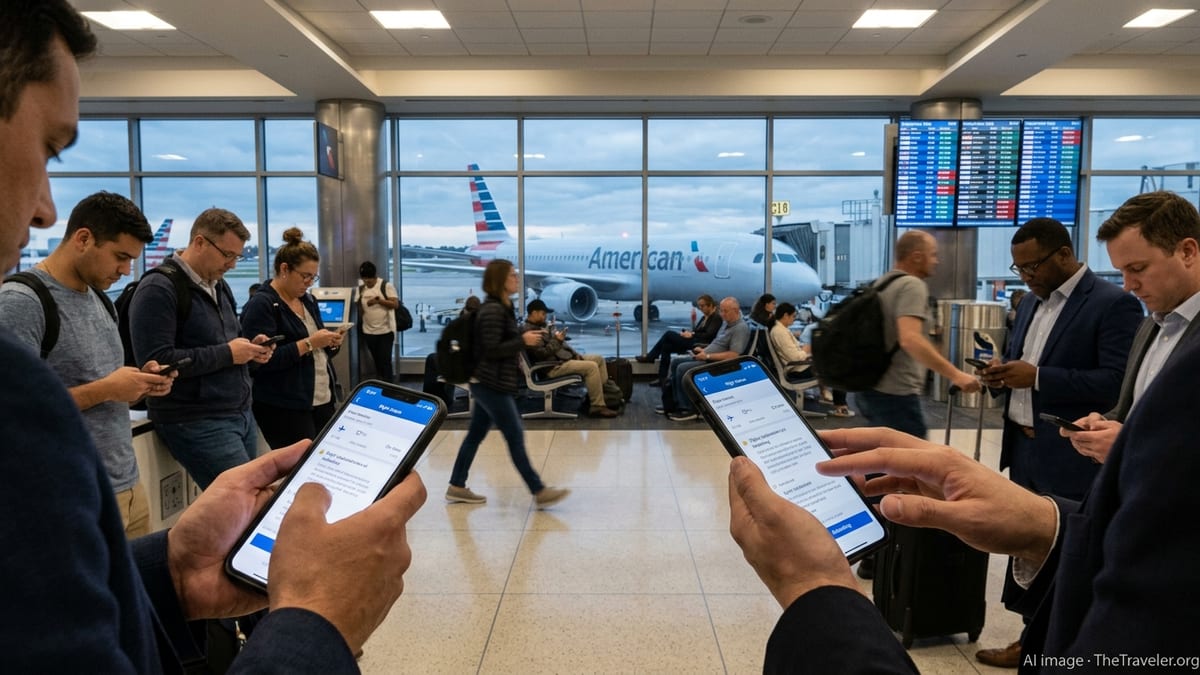
IT disruption ripples through American’s Phoenix hub
Reports from passengers and aviation tracking sites indicate that an information technology problem affecting American Airlines systems on July 28 led to ground stops and rolling delays across parts of the carrier’s network, with Phoenix particularly hard hit due to its role as a key connecting hub. Travelers described congested gate areas, extended holds on the tarmac and difficulty rebooking as the airline worked to restore normal operations.
Publicly available flight-status data showed multiple American departures into and out of Phoenix experiencing late pushbacks or revised arrival times, consistent with a system disruption that slowed check-in, boarding and dispatch processes. While many flights ultimately departed, even moderate delays had a knock-on effect for passengers with tight connections through Sky Harbor.
The timing compounded the impact. Late July is already one of the busiest periods for Phoenix air travel, and American operates one of the dominant schedules at Sky Harbor. When a large carrier’s technology tools for crew scheduling, gate management or passenger check-in falter, even briefly, those effects tend to magnify at its hub airports.
Ground stops and cascading delays for Phoenix travelers
Accounts shared on aviation forums and social platforms described a scene of backed-up departure boards and long lines in American’s concourses at Phoenix, with some travelers reporting that they were advised to remain near their gates as departure times repeatedly slid. In some cases, passengers said they waited through multiple rolling 20 to 30 minute delay increments while staff sought updated estimates from system workarounds.
Because Phoenix serves as a major connecting point between the U.S. East Coast, Midwest and West, even short holds on outbound flights reverberated through the evening bank of departures. Travelers with cross-country itineraries reported missed connections, overnight rebookings and unscheduled hotel stays after original flights became impractical due to crew-hour limitations and aircraft being out of position.
Available tracking data for recent American flights touching Phoenix also illustrates how quickly delays can compound. A late-arriving inbound aircraft often becomes a late outbound departure, which then arrives behind schedule at the next station, feeding a chain of disruptions that can last well beyond the initial IT glitch. For some passengers booked through Phoenix late on July 28 and into July 29, that meant uncertainty even after systems began to stabilize.
Why Phoenix is especially vulnerable to disruptions
Phoenix Sky Harbor has long served as a central hub in American’s network, inheriting and expanding the operations once flown by US Airways. City aviation statistics and bond disclosures show that American and its affiliates consistently account for a significant share of the airport’s total passengers, putting the carrier at the heart of Sky Harbor’s daily activity.
That concentration of traffic can become a liability when technology issues strike. At a hub where one airline controls a large percentage of gates, check-in counters and connecting itineraries, an outage that affects gate agents, crew scheduling tools or departure control systems is likely to be felt airport-wide. With many travelers booked on multi-leg journeys through Phoenix, a single stalled wave of arrivals and departures can topple connection plans for hundreds of passengers in a matter of hours.
Operational constraints at Sky Harbor can add further strain. Federal Aviation Administration reports highlight that runway and taxiway maintenance projects at Phoenix periodically reduce capacity, which can contribute to longer taxi times and tighter scheduling margins during busy periods. When paired with an unexpected IT interruption, those factors leave less room to absorb delays without significant knock-on effects.
Heat, summer crowds and recent aviation IT fragility
The American Airlines disruption in Phoenix unfolded against a backdrop of broader stress on aviation technology and summer operations. Travelers in the United States have faced a series of IT-related events in recent seasons, including a high-profile software incident in July 2024 that temporarily grounded major carriers and underscored how dependent modern air travel has become on interconnected digital systems.
In Phoenix, extreme summer temperatures also routinely challenge airlines. High heat reduces air density, which can require performance adjustments, payload limits or altered departure profiles on some aircraft types. These additional operational considerations, already in play on peak summer afternoons, can make the system more sensitive to schedule shifts when technology issues slow the normal flow of flights.
Passenger commentary from recent days suggests that some American customers had already experienced weather and maintenance-related delays before the latest IT problem surfaced, interpreting the Phoenix disruption as part of a broader pattern of reliability concerns. While available information indicates the immediate trigger this time was a technology outage, the event landed in a season when travelers are particularly wary of last-minute changes.
What affected passengers at Sky Harbor can do next
For travelers whose journeys through Phoenix were disrupted by the American Airlines IT issue, publicly available guidance from consumer advocates points to several practical steps. Passengers are generally encouraged to retain documentation of delays, cancellations and any out-of-pocket expenses such as hotels or meals, as these records can support future compensation or goodwill requests.
Experts also note that same-day rebooking options may continue to shift as the airline realigns aircraft and crews in the days after a major operational disruption. Monitoring flight status tools, checking in early for standby lists and exploring alternative routings through other hubs can sometimes help travelers depart sooner from Phoenix once the immediate backlog eases.
Although policies vary by carrier and itinerary, many airlines offer travel credits or fee waivers in the wake of significant system problems that are within the company’s control. Passengers impacted at Sky Harbor are likely to weigh whether American’s response, including rebooking support and any accommodations, matches their expectations as they assess future travel plans through the Phoenix hub.