


More news on this day
Indian Railways has announced a major festival-season operation for Kerala, scheduling 112 Onam special trains in 2026 to handle a sharp spike in passenger numbers across one of India’s busiest travel periods.
Get the latest news straight to your inbox!
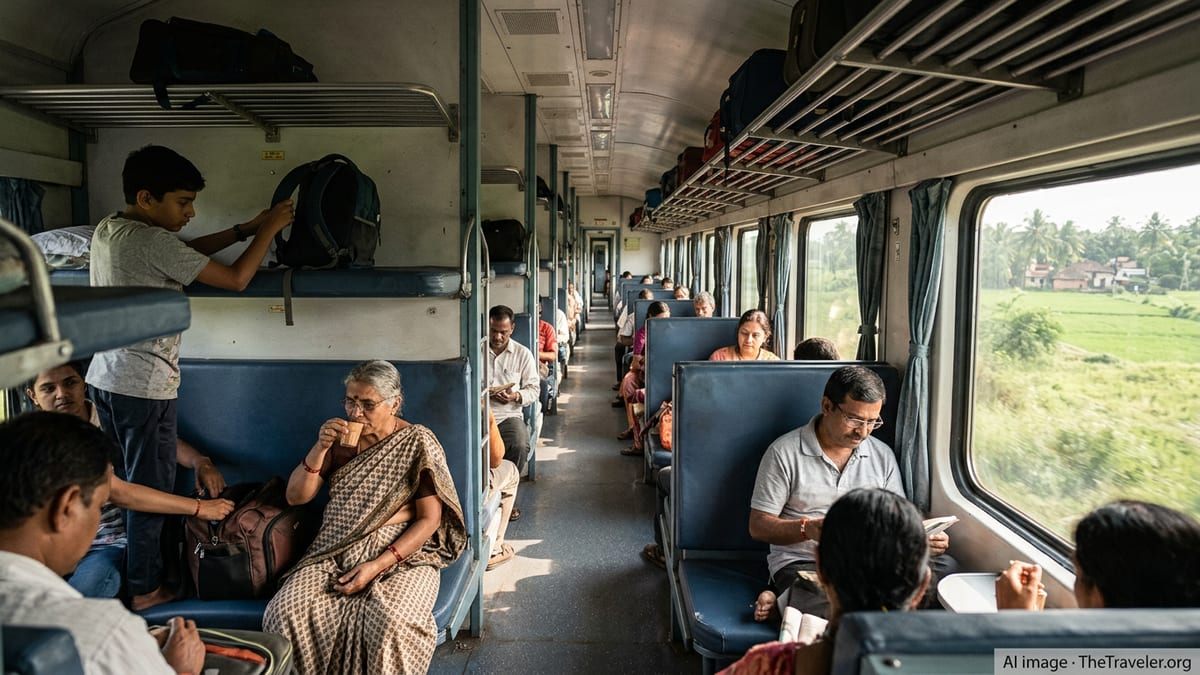
Expanded Festival Operations for Kerala Corridors
According to publicly available schedules and notifications, the 112 Onam special services have been planned across key corridors connecting Kerala with major metros such as Mumbai, Delhi, Bengaluru, Chennai and Hyderabad, as well as intensive services within the state itself. The additional trains are intended to absorb the surge in demand as non-resident Keralites and students return home for the festival period in late August and early September 2026.
The services are spread across the Southern Railway and adjoining zones, with a mix of long-distance specials from northern and western India and medium-distance trains from neighbouring states. Operational documents indicate that the first Onam day in 2026 falls in the last week of August, and the bulk of the specials are scheduled in the fortnight around that date to coincide with peak travel.
Railway timetables and planning circulars show that the Onam plan has been layered on top of existing summer and monsoon seasonal operations, effectively creating a second wave of capacity enhancement. Several of the 112 services are repeat trips of popular festival specials, while others are new one-time services tailored to routes that have seen persistent waiting lists in recent years.
The move follows repeated calls from Kerala-based passenger groups and elected representatives for more trains during Onam, particularly on routes linking Thiruvananthapuram, Ernakulam and Kozhikode with major employment hubs in other states. Public correspondence from 2025 highlighted chronic crowding and long waitlists on key trains, setting the backdrop for the larger 2026 plan.
Key Routes and Train Types in the Onam Plan
The 112 special trains include a broad range of services, from fully reserved long-distance expresses to partly unreserved festival trains designed to move large numbers of passengers quickly. Timetable data indicates that much of the added capacity is concentrated on the trunk coastal line through Kerala, with specials routed via important junctions such as Palakkad, Thrissur, Ernakulam, Kottayam, Alappuzha and Kollam.
Among the high-demand routes, planners have focused on Hyderabad–Kerala, Bengaluru–Kerala and Mumbai–Kerala links, where published booking trends show consistently heavy Onam-season traffic. Recent years have seen experimental specials like Hyderabad–Kollam and other long-haul festival trains, and the 2026 roster builds on these patterns with more frequent trips and better spacing of departure dates.
Operational details available in public rail databases point to a mix of conventional express rakes and upgraded stock such as LHB coaches on select services, especially for longer routes where journey times exceed 24 hours. While most Onam specials will continue to rely on existing rolling stock pools, planners have attempted to standardise coach compositions to maximise berths in sleeper and third AC, which are the first to sell out.
Within Kerala, additional pairs of trains are slated to reinforce connectivity between the northern districts and the capital region. These trains are expected to support both homebound travellers and short-distance festival tourism, helping to relieve road congestion on key state highways during the Onam holidays.
Managing Demand, Fares and Ticketing Pressures
The decision to schedule 112 Onam specials is closely linked to the travel patterns of Kerala’s large diaspora of workers and professionals, many of whom rely on rail rather than air for cost reasons. Publicly available booking data in previous years has shown that regular trains to and from Kerala often maintain long waitlists weeks before Onam, indicating a structural gap between regular capacity and festival demand.
For 2026, Indian Railways has expanded the use of special fare and premium special trains on certain long-distance sectors, a strategy previously deployed during summer and Puja seasons. These trains typically carry a higher fare than regular services, reflecting both the added operational cost and the exceptional demand environment, but they also create more options for passengers who need confirmed berths.
Ticketing timelines for the Onam specials follow standard advance reservation rules, giving passengers several months to plan. However, experience from earlier years suggests that many of the most sought-after routes will move quickly into high waitlist numbers. Railway advisories and independent travel platforms are encouraging passengers to monitor the release of additional trips or extra coaches, which may be added if demand significantly exceeds projections.
Passenger advocates have noted that while the expanded Onam specials represent an improvement over earlier years, affordability remains a concern for lower-income migrant workers and students. Some commentators argue that a larger share of unreserved or second-sitting capacity is needed on certain routes to ensure that those least able to pay premium fares can still travel home for the festival.
Operational Challenges During the Monsoon Season
The Onam period coincides with the tail end of the southwest monsoon across Kerala, which brings its own complexities for railway operations. Historical records show that heavy rains, landslides and waterlogging have periodically affected services along the coastal and ghat sections, occasionally forcing diversions or cancellations just as festival traffic peaks.
Railway planning circulars indicate that the 2026 Onam specials have been scheduled with additional recovery margins and contingency windows on vulnerable stretches. The aim is to limit cascading delays if weather or infrastructure issues arise, particularly on long-haul trains originating far from Kerala that must traverse multiple zones before reaching the state.
Infrastructure upgrades completed over the last few years, including track renewals, signalling improvements and selective doubling on busy sections, are expected to support the expanded festival timetable. However, analysts point out that even with these improvements, the coastal route through Kerala remains capacity-constrained in places, making timetable discipline and rapid turnaround times at terminal stations critical during Onam.
Travel information services are advising passengers to factor in potential weather-related disruptions when planning tight connections or onward travel by road or air. Flexible itineraries and buffer time on arrival in Kerala are being recommended, particularly for those travelling on the busiest days just before and after the main Onam celebrations.
What the 112 Specials Mean for Kerala’s Travellers
The scale of the 112-train Onam operation underscores the central role of rail in Kerala’s annual homecoming season. For many families, Onam remains the one period in the year when members scattered across India can reliably gather, and the availability of rail berths often determines whether those reunions are possible.
By extending services to a wider range of origin cities and increasing frequencies on established festival routes, Indian Railways is attempting to align its network more closely with the state’s evolving migration patterns. Growth in sectors such as information technology, healthcare and construction has diversified the geographies where Keralites live and work, driving fresh demand for direct or near-direct links to the state.
Travel observers note that the 2026 Onam plan may also serve as a template for future festival seasons, combining a core of recurring specials with experimental services that respond to shifting demand. If the 112-train operation succeeds in reducing extreme crowding and waitlists this year, similar or larger packages could become a regular feature of the national timetable for Kerala and other states during major festivals.
For passengers, the immediate impact will be measured in the availability of seats and the reliability of services during the tight Onam window. As bookings open and trains begin to run, the 2026 season will test whether the enhanced Onam operation can deliver a smoother journey home for Keralites travelling from every corner of the country.