


More news on this day
Austria’s tourism industry is entering a new phase of growth as record overnight stays, surging demand for Alpine escapes and renewed interest in cultural cities combine to create what observers describe as a broad-based travel boom across the country.
Get the latest news straight to your inbox!
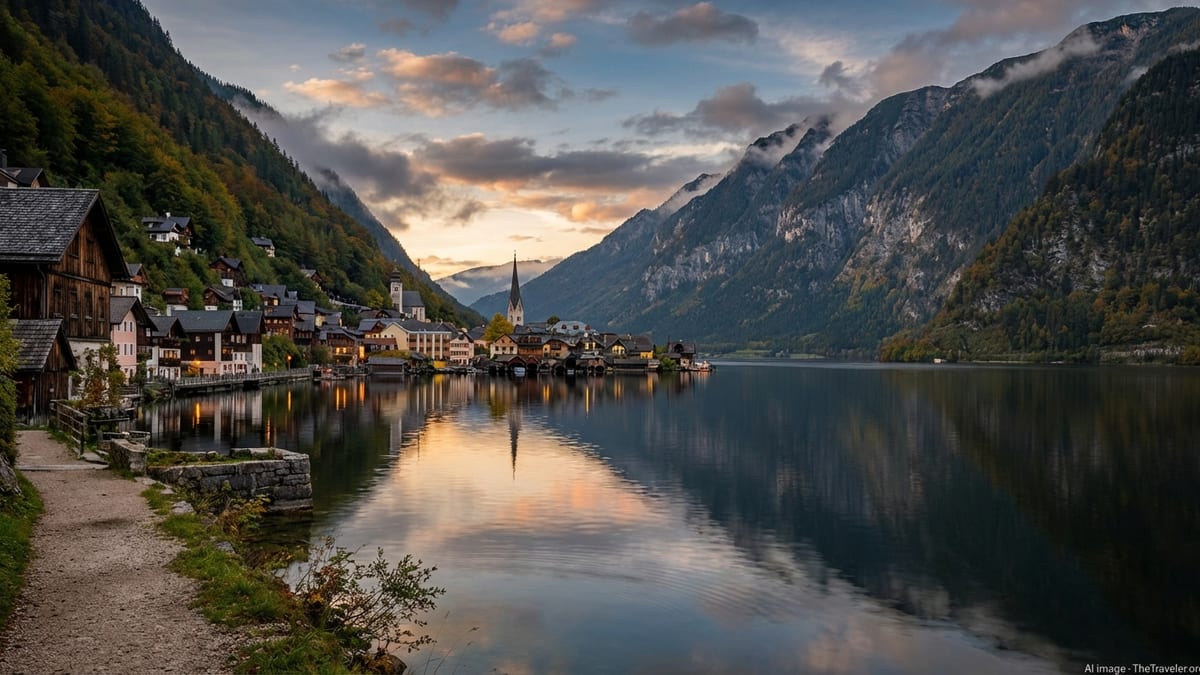
Record Numbers Redraw Austria’s Tourism Map
Latest data from Statistics Austria indicate that the country’s tourism sector is operating at or above pre-pandemic levels, with overnight stays in 2024 climbing on strong winter and summer demand. Recent satellite accounts for tourism show that the sector’s direct contribution to economic output edged up again in 2024, while overnight stays continued to rise, reflecting robust international and domestic travel activity.
Winter tourism remains a pillar of this expansion. Official figures for the 2023/24 winter season report more than 70 million overnight stays nationwide, surpassing the previous year and underlining the enduring draw of Austria’s skiing and snow sports offer in regions such as Tyrol, Salzburg and Vorarlberg. Visitor numbers in these provinces have continued to push upward, helped by reliable transport links, modern lift infrastructure and investments in off-slope amenities.
Summer has quietly become an equal, and in some areas stronger, driver of arrivals. Statistics for recent summer seasons show that warm-weather overnight stays now outnumber winter stays, a trend that has solidified since 2023. Hiking, cycling and lake tourism in the Alps and pre-Alpine regions are drawing visitors who previously associated Austria primarily with skiing, broadening the country’s appeal and lengthening the travel calendar.
Tourism agencies and regional authorities are responding by marketing Austria less as a single-season ski destination and more as a year-round travel hub. Publicly available information from tourism boards points to a coordinated push to showcase mountain villages, spa towns and cultural centers as complementary parts of one national offer, rather than separate products competing for attention.
Majestic Alps Power a Four-Season Playground
The Austrian Alps remain the engine of this travel surge, with some federal states reporting fresh records for arrivals and overnight stays in the 2024/25 tourism year. Tyrol alone accounts for tens of millions of nights, supported by heavyweight resorts in valleys such as the Ötztal and Zillertal, which attract both international skiers in winter and hikers, climbers and mountain bikers once the snow recedes.
Resort towns have spent the past decade diversifying away from purely ski-based models. In many high-altitude communities, lift operators now promote panoramic gondola rides, alpine coaster tracks and structured hiking routes in the summer months. Spa and wellness facilities, long present in classic destinations like Bad Gastein or Bad Hofgastein, are expanding their offers to appeal to younger and more international audiences seeking health-oriented mountain stays.
At the same time, research programs supported by Austrian and European institutions are examining how mountain tourism can adapt to climate change. Projects focusing on “ice free Alps” scenarios and transitions in ski tourism are working with selected Alpine valleys to explore different futures for resorts as snow reliability changes. These initiatives, which involve local schools, universities and tourism actors, underline the degree to which the long-term viability of the Alpine economy is now part of national planning discussions.
Mobility is another area of experimentation. Pilot projects on hybrid and automated shuttle fleets in Alpine regions, along with broader national policies to promote rail travel and public transport, are being framed as ways to connect visitors to high valleys while curbing emissions and peak-season congestion on mountain roads.
Hidden Valleys and Biosphere Parks Step Into the Spotlight
Beyond headline resorts, a quieter transformation is taking place in lesser-known valleys and protected landscapes. UNESCO-designated biosphere reserves such as Großes Walsertal in Vorarlberg have become laboratories for low-impact tourism, hosting small-scale farms, nature education initiatives and soft adventure activities. Local strategies there emphasize landscape protection, organic agriculture and community-based hospitality over mass development.
Similar approaches are emerging in other side valleys of Tyrol, Salzburg and Styria, where municipalities are promoting farm stays, hut-to-hut hiking and nature retreats to disperse visitor flows. Regional statistics from Tyrolean and Vorarlberg agencies indicate that while flagship towns still dominate absolute numbers, growth rates in some rural districts have accelerated as travelers seek quieter alternatives to crowded hotspots.
Health and nature tourism is also gaining traction. Cross-border programs in the Alps, including initiatives on “healing landscapes” and nature-based health offers, are positioning select valleys as destinations for recovery and preventive wellness, tying together traditional spa culture with hiking, forest bathing and climate-friendly mobility packages.
These developments reflect a broader shift in consumer preferences. Booking data cited in industry reports show that travelers are increasingly prioritizing sustainability credentials, access to authentic local culture and opportunities to escape overtourism. Austria’s extensive network of protected areas, mountain huts and river valleys is being recast as a strategic asset in meeting that demand.
Culture-Rich Cities Anchor the Tourism Boom
While the Alps capture the imagination, Austria’s cities are providing the structural backbone to the current tourism surge. Vienna, Salzburg, Graz and Innsbruck have all reported strong growth in overnight stays since 2023, with Vienna in particular posting record city tourism numbers that now sit comfortably above 2019 levels. This recovery has been driven by a mix of long-haul visitors, regional city-break travelers and a return of congress and event business.
In Vienna, the combination of imperial architecture, museum clusters and a contemporary food scene has kept demand high year-round. The city’s role as a gateway to the rest of Austria means that many visitors now combine urban stays with side trips to the Wachau Valley, the Salzkammergut lake district or the nearby foothills of the Alps. Travel forums and booking platforms reflect this pattern, with multi-base itineraries increasingly common among first-time visitors.
Smaller cities are benefiting from the same dynamic. Innsbruck markets itself as a “capital of the Alps,” leveraging its position at the junction of major valleys to serve both as an urban stopover and a base for mountain excursions. Graz and Linz are highlighting design, contemporary art and riverfront redevelopment to attract visitors who may then extend their trips into rural Styria or Upper Austria.
The interplay between cultural centers and mountain landscapes is becoming one of Austria’s strongest selling points. Tourism promotion materials now routinely pair images of baroque concert halls and coffee houses with shots of high ridges, glacier plateaus and forested ravines, signaling to travelers that they can combine opera performances with summit hikes in a single journey.
Sustainability Efforts Shape the Future of Austria’s Travel Empire
Against the backdrop of rapid growth, sustainability has moved to the forefront of Austria’s tourism strategy. A 2024 report released by the Austrian National Tourist Office, compiled with international partners, highlighted 50 best-practice projects across the country, ranging from climate-friendly winter operations and circular economy pilots to social inclusion programs. The document framed sustainability not as a niche product but as a core competitiveness factor for the entire sector.
National ministries and industry bodies are aligning tourism policy with the United Nations Sustainable Development Goals, emphasizing energy efficiency in accommodation, regional food sourcing and the integration of local producers into tourism value chains. Publicly available policy papers describe tourism as a lever for rural development and job creation, provided that growth is balanced with environmental protection and community well-being.
Transport remains a central challenge and opportunity. Academic studies of Austria’s nationwide climate ticket suggest that cheaper, simple-to-use public transport passes can shift some travelers away from car use, particularly for domestic trips. At the destination level, mountain regions are experimenting with guest cards that include local bus and train travel, as well as on-demand shuttles, to reduce traffic in narrow valleys and sensitive alpine ecosystems.
For now, demand indicators show little sign of cooling, leaving Austria to manage the benefits and pressures of its expanding travel empire. How the country balances record visitor numbers with climate goals, landscape protection and quality of life in mountain communities is likely to shape not only its own tourism future but also broader debates about sustainable travel in the Alps.