


More news on this day
New air links centered on Kolkata are reshaping regional tourism, as IndiGo’s growing Southeast Asia network and revived connectivity to China and Cambodia position eastern India as a strategic gateway between South, East and Southeast Asia.
Get the latest news straight to your inbox!
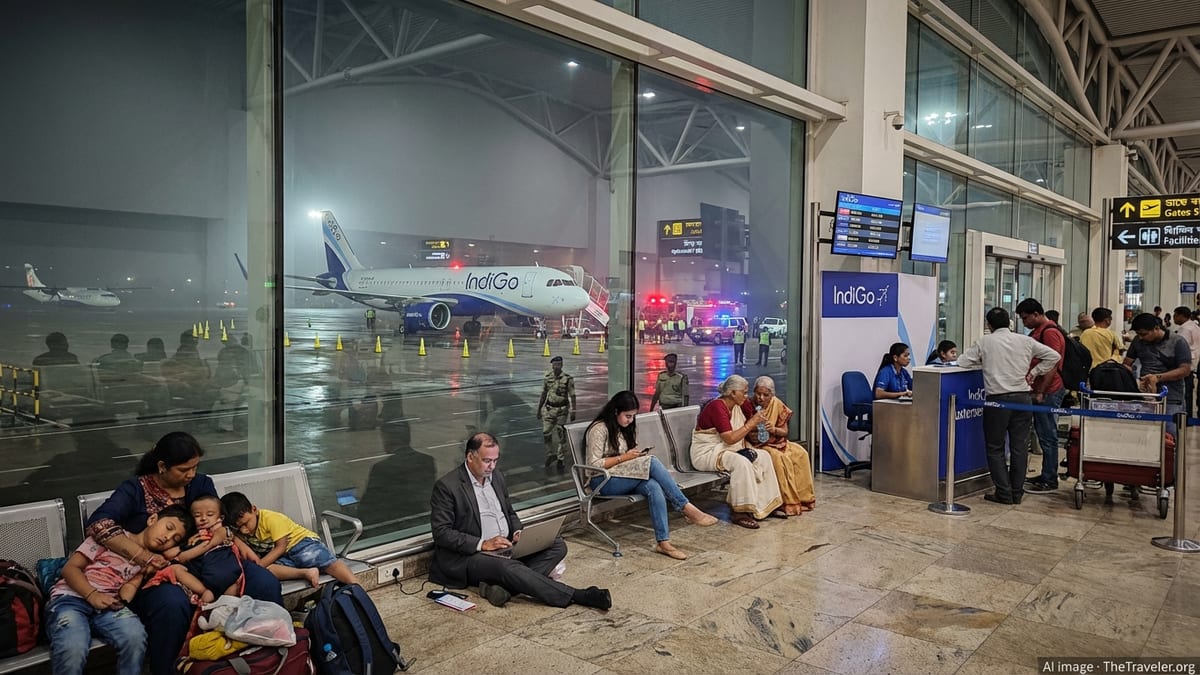
Kolkata’s Strategic Role in India’s Tourism Push
Kolkata’s international airport is rapidly evolving from a primarily regional hub into a key node in India’s wider tourism strategy. Publicly available aviation data and industry analysis show a clear shift in network planning, with more capacity and new routes linking eastern India to both China and mainland Southeast Asia. These links are reinforcing the city’s long-standing status as a commercial and cultural crossroads.
Reports on regional economic corridors highlight Kolkata as a natural anchor point for air, road and rail connectivity spanning Bangladesh, China, India and Myanmar and extending toward Cambodia and Vietnam. This positioning is now increasingly reflected in airline schedules, with services that shorten travel times and reduce the number of connections required for travelers moving between South Asia and the Mekong region.
For India’s tourism sector, the emergence of Kolkata as a bridging hub adds geographic balance to connectivity that has historically leaned on Delhi and Mumbai. As more visitors from China and Southeast Asia gain one-stop or direct access to eastern India’s heritage circuits, safari parks and coastal destinations, the country’s inbound profile is expected to diversify beyond its traditional source markets.
Industry commentary suggests that better access through eastern gateways can also support India’s ambitions in meetings, incentives, conferences and exhibitions travel, particularly for trade shows and corporate events that draw delegates from across Asia. Kolkata’s growing web of flights to China and Cambodia is increasingly viewed in this broader context.
IndiGo’s Revival of China Links From Kolkata
India’s largest carrier by market share has been at the center of renewed connectivity between India and China. According to published coverage on regional aviation trends, IndiGo’s international expansion from Kolkata helped restore direct links between eastern India and major Chinese cities after a multi-year hiatus. The airline’s services from Kolkata to Guangzhou and Shanghai have been cited in recent diplomatic and transport reports as key components of this reopening of the corridor.
Broader reporting on India China air links notes that flights between the two countries had been largely suspended for several years, before resuming with new services from Indian carriers, including routes launched from Kolkata. These developments are described as part of a wider normalization in economic ties, with air connectivity framed as a practical driver of tourism, trade and educational exchanges between the two large Asian economies.
In parallel, Chinese carriers have moved to restore their own presence on the sector. Schedules and airline announcements compiled by aviation platforms show that China Eastern has resumed non stop services between Kunming and Kolkata, operating several departures per week. Official notices from Chinese provincial authorities describe the Kunming Kolkata route as a contributor to the Bangladesh China India Myanmar economic corridor and to tourism flows in both directions.
Travel industry observers in Yunnan have pointed out that improved air access is making Kunming more attractive for Indian tourists and business travelers, including those attending regional events and trade expos. The combination of Indian and Chinese operators on sectors touching Kolkata is gradually rebuilding a network that can support multi country itineraries linking India with southwestern China and onward to Southeast Asia.
New Cambodia Connections Extend Kolkata’s Reach
While China routes restore an older pattern of connectivity, fresh links to Cambodia are opening a newer frontier for Indian outbound and regional multi stop tourism. Press releases from IndiGo show that the airline has been steadily increasing its Southeast Asia footprint from Kolkata, adding destinations such as Phuket alongside existing services to Bangkok. Within this strategy, Cambodia has emerged as the next logical step.
An IndiGo announcement from October 2025 confirmed that the carrier would launch direct flights between Kolkata and Siem Reap from mid November 2025. The service connects eastern India directly to the gateway for Cambodia’s Angkor temple complex, a UNESCO listed attraction that draws millions of international visitors in a typical year. The route effectively shortens the distance between India’s eastern metro and one of Southeast Asia’s most sought after cultural destinations.
Cambodian media and official news agencies have also underscored a broader strengthening of air links with India. Coverage of tourism and aviation cooperation highlights direct flights between New Delhi and Phnom Penh operated by Cambodia’s national carrier, alongside the IndiGo connection between Kolkata and Siem Reap. These services are described as part of an effort to translate long standing cultural and religious ties between the two countries into higher tourist arrivals in both directions.
For Indian travelers, the combination of direct flights and simplified visa policies has turned Cambodia into a competitive alternative to more established Southeast Asian destinations such as Thailand and Vietnam. For Cambodians and other regional travelers, the new Kolkata link offers a convenient entry point to eastern India’s Buddhist circuits, colonial era cities and coastal retreats, particularly when combined with domestic connections on IndiGo’s network.
Reinforcing Regional Corridors Across South and Southeast Asia
The interplay between routes linking Kolkata with Kunming in China and Siem Reap in Cambodia aligns closely with long discussed regional transport corridors. Analytical work on the Bangladesh China India Myanmar economic corridor and on broader South and Southeast Asia connectivity frequently cites Kolkata and Kunming as anchor cities, with Cambodia located along the eastern stretches of road and rail alignments toward Vietnam.
Academic and multilateral studies describe these corridors as multimodal, combining highways, railways, ports and air routes to support trade and tourism. While much of the focus has been on overland infrastructure, recent aviation developments indicate that airlines are beginning to operationalize some of the same geographic linkages in the skies. In practical terms, a passenger can now travel from Kunming to Kolkata, and then onward to Siem Reap or other Southeast Asian cities, with relatively simple connections.
Tourism planners point out that this pattern facilitates the design of triangular itineraries, for example combining Yunnan’s mountain landscapes, eastern India’s heritage clusters and Cambodia’s temple complexes in a single trip. Such routing can appeal to higher spending visitors from Europe, North America and East Asia who are interested in multi country cultural journeys rather than point to point vacations.
At the same time, easier connectivity along these corridors may boost intra Asian travel, including student mobility, medical tourism and shorter leisure trips among middle class travelers in India, China and the Mekong countries. Kolkata’s central position in several of these air pathways enhances its profile as a transfer point and as a destination in its own right.
Implications for India’s Tourism Growth Strategy
For India’s tourism authorities and industry stakeholders, the evolution of Kolkata into a bridge between China and Cambodia supports broader policy objectives around diversification and regional integration. Publicly available policy documents stress the importance of attracting visitors from neighboring and emerging markets, particularly as global travel patterns adjust to changing economic conditions and consumer preferences.
The revival of links to Chinese cities and the establishment of new services to Cambodian destinations both contribute to this agenda. China remains one of the world’s largest outbound tourism markets, and incremental gains in arrivals from specific provinces, such as Yunnan and Guangdong, can have a visible impact on hotel occupancy, retail spending and attraction footfall in Indian cities. Similarly, deeper engagement with Cambodia can generate twin benefits through outbound flows of Indian visitors and inbound cultural, pilgrimage and education related travel to India.
Airline strategies suggest that this trend is likely to continue. IndiGo’s published network plans emphasize ongoing expansion into East and Southeast Asia, while Chinese and Cambodian carriers signal interest in maintaining and deepening their own India links. As these services mature, tourism boards and private operators on all sides are expected to package and promote multi stop itineraries that capitalize on the convenience of Kolkata centered routes.
In this context, Kolkata’s emergence as a connector between Kunming and Cambodia’s key tourism hubs represents more than a set of new flight timings. It marks a structural shift in how India interfaces with its eastern neighborhood, with potential to reshape visitor flows, business travel patterns and the broader perception of eastern India within Asia’s travel landscape.
IndiGo October 2025 press releases
Kunming Kolkata route coverage by Kunming authorities
Agence Kampuchea Presse report on Cambodia India tourism links