


More news on this day
As tensions escalate across parts of the Middle East, the U.S. Department of State has updated several country-specific travel advisories and reiterated its global security warning, signaling a period of heightened risk for Americans considering or already undertaking travel in the region.
Get the latest news straight to your inbox!
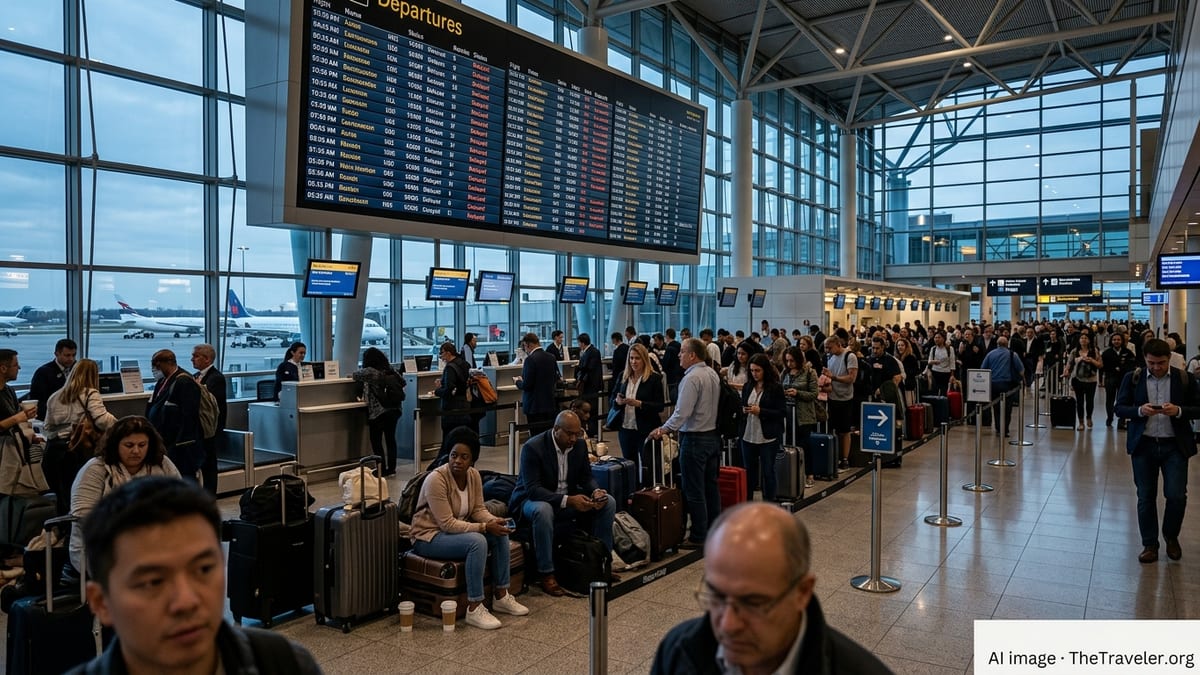
Heightened Global Caution With a Focus on the Middle East
The State Department’s current Worldwide Caution notice, issued in late May 2026 and updated through the summer, advises U.S. citizens overseas to exercise increased vigilance in light of elevated security risks, with particular concern for the Middle East. Publicly available information highlights the potential for terrorism, regional conflict spillover, and demonstrations that can arise with little warning and quickly disrupt travel plans.
Broadcast and online coverage in July and August 2026 shows that this global advisory has been framed against a backdrop of mounting tension involving Iran and several regional actors, including incidents affecting key maritime routes. Reports indicate that U.S. officials have warned that further escalation could impact airspace access, commercial flight schedules, and maritime traffic, all of which are critical to civilian travel in and out of the region.
While the Worldwide Caution is not specific to one country, it sets the overall context for Middle East travel. Travelers are urged to pay close attention to local security alerts from U.S. embassies and consulates, monitor reputable news outlets, and be prepared for sudden changes in security conditions that may require itinerary adjustments or rapid departure.
The State Department’s own regional page for Americans in the Middle East consolidates links to country advisories and security alerts, underscoring that conditions can differ sharply from one border to the next and may shift quickly even within a single country.
Israel, the West Bank, and Gaza: Elevated Risk and Layered Warnings
According to State Department country information updated on August 26, 2026, travel to Israel, the West Bank, and Gaza remains subject to strict caution. The overall advisory for Israel, the West Bank, and Gaza is currently set at Level 3, or “Reconsider Travel,” reflecting the lingering impact of conflict, ongoing security incidents, and the possibility of renewed violence or rocket and missile fire in certain areas.
The West Bank is listed separately as a Level 3 destination, with the advisory referencing threats linked to unrest and terrorism. Public guidance notes that U.S. government employees require special authorization for official travel to parts of the West Bank, pointing to limits on the government’s ability to move personnel quickly in an emergency and illustrating the broader risk environment for private travelers.
Gaza remains one of the highest-risk areas in the region. While the principal advisory language for Israel, the West Bank, and Gaza is consolidated, country information materials and previous notices emphasize that Gaza has been subject to severe movement restrictions, recurrent military operations, and limited consular access. As a result, Americans are effectively urged not to attempt travel there, particularly in light of the difficulties of exit during heightened conflict.
For travelers whose plans involve Israel or the West Bank, publicly available information stresses the importance of having flexible, refundable bookings, maintaining direct contact with airlines regarding possible schedule changes, and ensuring that family or friends in the United States have copies of itineraries and travel documents in case communication networks are disrupted.
Lebanon and Neighboring States: Do Not Travel and Expanded Restrictions
Lebanon remains under one of the State Department’s most severe advisories. As of May 6, 2026, the Lebanon Travel Advisory is designated Level 4, or “Do Not Travel,” citing risks associated with armed conflict, civil unrest, terrorism, crime, and the limited ability of the U.S. government to provide emergency services. The advisory reflects the cumulative impact of years of political and economic crisis combined with intensified cross-border clashes and airstrikes involving Israeli and Lebanese territory.
Supporting material from other governments, such as the United Kingdom’s travel advice updated in late September 2026, aligns with this assessment by warning against all travel to specific regions of Lebanon and against all but essential travel to others. This convergence of international guidance underscores how volatile the security situation remains along the Lebanon–Israel frontier and in parts of the country’s interior.
In neighboring Saudi Arabia, the State Department raised its advisory to Level 3, “Reconsider Travel,” in a notice dated September 15, 2026. The update references the risk of Iranian drone and missile strikes targeting American and allied interests, as well as armed conflict, terrorism, exit bans, and certain legal and social media restrictions. Although family members of U.S. government employees have been authorized to join them in Saudi Arabia as of late August, the Level 3 rating signals that nonessential travel should be carefully evaluated against these risks.
Travelers transiting the Gulf region, including through major hubs that serve as gateways to the Middle East, are being reminded through airline notices and media coverage that sudden airspace closures or reroutings are possible if regional hostilities intensify. Even short layovers can be affected if carriers adjust routes or frequencies in response to security concerns.
Practical Implications for Flights, Itineraries, and Insurance
Recent broadcast coverage in August 2026 highlights updated State Department language advising U.S. citizens currently in parts of the Middle East to exercise heightened caution and to consider leaving the region if tensions escalate further. The same reporting notes that travelers should be prepared for potential flight cancellations, periodic airspace restrictions, and general disruption to normal commercial services in the event of wider conflict.
These warnings carry practical consequences for trip planning. Travelers bound for higher-risk destinations such as Lebanon, the West Bank, or areas near active front lines may find reduced flight options, more frequent schedule changes, or insurance limitations. Some insurers exclude coverage for destinations under Level 4 advisories or impose higher premiums, while certain policies may require travelers to depart within a defined window after a government warning in order to remain covered.
Even in countries with lower advisory levels, transit disruptions can ripple across the region. If a carrier reroutes to avoid contested airspace or suspends flights to a particular airport, travelers may need to reroute through alternative hubs, adding time and cost. Publicly available travel industry analyses stress the importance of building flexibility into itineraries, including longer connection times and back-up routing options where feasible.
For those who decide to travel despite the advisories, the State Department encourages enrollment in its traveler information program, which allows Americans to receive security updates and helps U.S. missions contact citizens in an emergency. Regional consular pages also recommend maintaining an emergency fund, keeping travel documents and essential medications readily accessible, and identifying contingency lodging in case of sudden curfews or border closures.
How Travelers Can Monitor and Respond to a Fast-Changing Situation
The combination of country-specific advisories and the overarching Worldwide Caution reflects an environment where conditions can shift rapidly, often faster than printed guidebooks or static trip plans can accommodate. The State Department’s central travel advisories page, updated on a rolling basis, functions as the primary reference point for the latest official guidance on each destination in the Middle East.
Beyond formal advisories, travelers are encouraged to monitor security alerts issued by U.S. embassies and consulates, which often provide more granular, city-by-city updates about demonstrations, road closures, or specific incidents. Public information also indicates that many missions share these updates across social media channels, offering another way to follow developments in real time.
Because different governments sometimes assess risk differently, many seasoned travelers compare U.S. advisories with those published by other foreign ministries to gain a broader picture of the situation on the ground. In the case of Lebanon, for example, both U.S. and U.K. guidance currently caution strongly against travel to border regions and other high-risk areas, reinforcing the seriousness of the threat.
With conflict dynamics in flux, the central message of the latest State Department advisories is one of heightened awareness and preparedness. Americans contemplating travel to or through the Middle East are being advised to follow developments closely, maintain flexible plans, and decide whether their journeys are essential in light of the current security environment.