


More news on this day
A sudden spike in jet fuel costs linked to the ongoing war in Iran is reverberating across global aviation, with United Airlines, Emirates, Qatar Airways and Lufthansa all facing mounting pressure to raise airfares as energy markets reel from disruptions in the Middle East.
Get the latest news straight to your inbox!
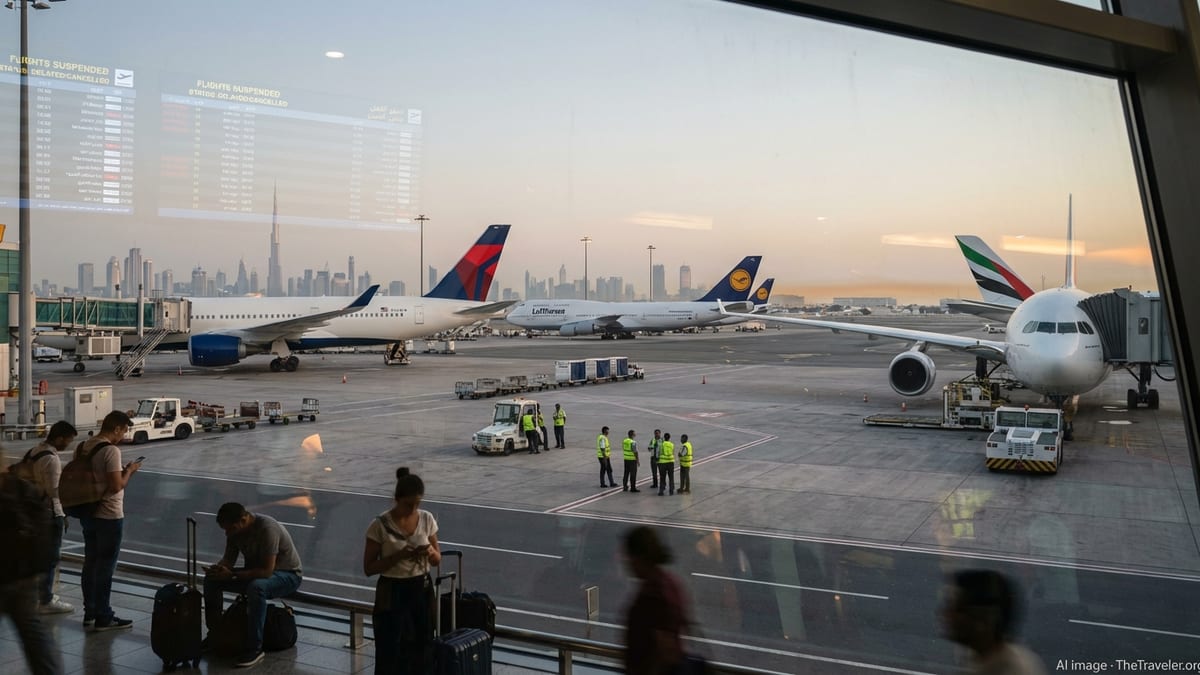
Jet Fuel Prices Spike as Conflict Disrupts Energy Flows
Jet fuel prices have climbed at a pace not seen since the 2022 energy shock, after the escalation of the Iran war in late February 2026 and related tensions in the Strait of Hormuz. Industry data compiled by the International Air Transport Association and other market trackers show global average jet fuel costs roughly doubling in a matter of weeks, with some benchmarks briefly pushing above 200 dollars a barrel before easing slightly but remaining at historically elevated levels.
Analysts note that the surge has outpaced gains in crude oil itself. The conflict has disrupted exports from major Gulf producers, complicated tanker traffic through key shipping lanes and pushed up war risk insurance premiums, all of which have widened the spread between crude oil and refined products such as jet fuel. European and Asian refiners that previously leaned on Russian supplies have found themselves competing more aggressively for replacement barrels, adding another layer of strain to aviation fuel markets.
Reports from energy consultancies and multilateral institutions describe aviation fuel as one of the most exposed products in the current crisis, with prices in some regions up more than 120 percent from prewar levels. Government and central bank briefings in March and May repeatedly cited aviation fuel among the products experiencing the sharpest spikes as oil traded above 100 dollars a barrel.
The sharp jump in jet fuel costs is already filtering through to airline balance sheets worldwide. Credit and ratings agencies warn that the longer the conflict drags on, the more acute the cost pressures are likely to become, especially for carriers with limited hedging or heavy exposure to long-haul international routes that cannot easily be trimmed or reconfigured.
United Airlines Signals Faster Fare Increases in North America
United Airlines has emerged as a bellwether for how US carriers may respond to the fuel shock. Publicly available commentary from the airline’s leadership in March indicated that higher fuel costs would translate into noticeable airfare increases within a short period, as the price of jet fuel in the United States jumped toward 4 dollars a gallon during the first weeks of the conflict.
Investor guidance filed in late April outlined how United expects to pass through a growing share of fuel price inflation to customers over the remainder of 2026. The update suggested that the airline initially aims to offset roughly half to two thirds of the increase through fares and surcharges, rising toward as much as the full amount by the end of the year if current fuel price levels persist.
Industry data released by US transportation authorities show that average jet fuel costs for American carriers rose by about 30 percent year on year in March, reversing the more benign fuel environment that had supported aggressive capacity growth in 2024 and 2025. With fuel typically accounting for 20 to 25 percent of an airline’s operating expenses, such a rapid increase leaves limited room to absorb costs without pricing action.
Travel booking platforms and fare trackers have already reported higher average ticket prices on a range of domestic and transatlantic routes served by United. While strong demand for leisure and corporate travel has given airlines more scope to raise prices, consumer advocates warn that if the conflict and elevated fuel prices persist through the peak summer and end-of-year seasons, price-sensitive travelers may see fewer discounted seats and more dynamic surcharges built into base fares.
Gulf Super-Connectors Face Longer Routes and Higher Fuel Bills
Emirates and Qatar Airways, two of the largest long-haul carriers linking Europe, Asia, Africa and the Americas via their Gulf hubs, are particularly exposed to geopolitical volatility in the Middle East. Route adjustments around Iranian airspace and altered flight paths over the Gulf region have added flying time on selected services, compounding the impact of higher fuel prices per tonne.
Analysts following the Gulf aviation sector point out that these carriers depend heavily on connecting traffic that often travels long distances, which magnifies the fuel cost burden on each itinerary. Public and investor commentary around the crisis notes that Gulf airlines are already evaluating targeted fare surcharges and fuel-related adjustments on trunk routes, including between Europe and Southeast Asia, Australasia and parts of Africa.
Market coverage in regional business media suggests that fares for some itineraries that normally route through Dubai and Doha are rising faster than those on competing one-stop journeys via East Asia or Europe. Travelers concerned about flying through conflict-adjacent airspace are also shifting demand, in some cases opting for longer but perceived lower-risk routings, which may further strain capacity on non-Gulf carriers and allow additional fare increases there as well.
Industry observers note that Emirates and Qatar Airways entered 2026 with relatively young, fuel-efficient fleets, which offers some cushion as jet fuel costs spike. However, the sheer scale of their long-haul operations means that even modest per-seat increases in fuel expenses translate into substantial absolute sums, making some degree of fare escalation all but unavoidable if the conflict-driven price shock continues.
Lufthansa Balances Environmental Surcharges and Fuel Shock
Lufthansa, one of Europe’s largest network carriers, is grappling with a jet fuel surge that coincides with new environmental cost obligations. Earlier in 2026, the group introduced an environmental cost surcharge to reflect the rising expense of complying with European Union rules on sustainable aviation fuel and emissions trading, a move that already added to ticket prices before the latest geopolitical disruption.
As the Iran war pushed oil and aviation fuel prices higher, European refiners and airlines reliant on Middle Eastern supplies saw costs climb sharply again. Analyst estimates compiled by financial data providers in March and April revised Lufthansa’s projected 2026 fuel bill significantly upward, with some forecasts indicating a double digit percentage increase compared with previous expectations.
Publicly available fare data and consumer reports indicate that Lufthansa has been adjusting base fares and surcharges across its network, particularly on long haul services connecting Germany with North America and Asia. While the environmental surcharge is formally tied to regulatory costs rather than commodity prices, it is being layered on top of higher underlying fuel expenses, leaving end consumers facing a combined effect at the checkout page.
European policy debates about whether to offer temporary relief on certain fuel related levies have so far produced limited concrete support for airlines. As a result, Lufthansa and other European carriers are under pressure to rely primarily on revenue management and pricing measures to defend margins, even as households across the continent contend with broader inflation driven by the same energy shock.
Global Travelers Confront a New Era of Volatile Airfares
The combined impact of the Middle East conflict and spiking jet fuel prices is reshaping expectations for air travel costs worldwide. Research notes, think tank papers and airline association briefings released since March repeatedly highlight aviation fuel as a central transmission channel through which the Iran war is affecting consumers far from the region itself.
In many markets, airlines are turning to a familiar playbook that includes fuel surcharges on long haul tickets, more aggressive capacity discipline and the prioritization of higher yielding routes and cabins. Low cost carriers that rely on high aircraft utilization and thinner margins face especially acute pressure, which could ultimately reduce competition on some routes and entrench higher fare levels over time.
For travelers, the near term outlook points to less pricing certainty. Fare quotes for travel later in 2026 increasingly include flexible components that airlines can adjust if fuel prices move sharply higher, and some carriers are shortening the window during which advertised prices are guaranteed. Travel advisors are encouraging passengers with fixed plans to book earlier than usual, while also emphasizing the value of flexible tickets or add on protections in case schedules or routings change.
Whether the current spike in jet fuel prices proves to be a short lived shock or the start of a more prolonged period of elevated costs will depend largely on developments in the Middle East and the speed at which global energy flows can be rebalanced. For now, publicly available data and industry commentary indicate that major carriers such as United Airlines, Emirates, Qatar Airways and Lufthansa are preparing customers for a world in which airfares are higher, more volatile and more closely tied to day by day swings in fuel markets.