


More news on this day
Intense mid‑July monsoon storms are disrupting travel and daily life across several regions, with wind damage, flash flooding and widespread flight delays reported from the American Southwest to major hubs in India.
Get the latest news straight to your inbox!
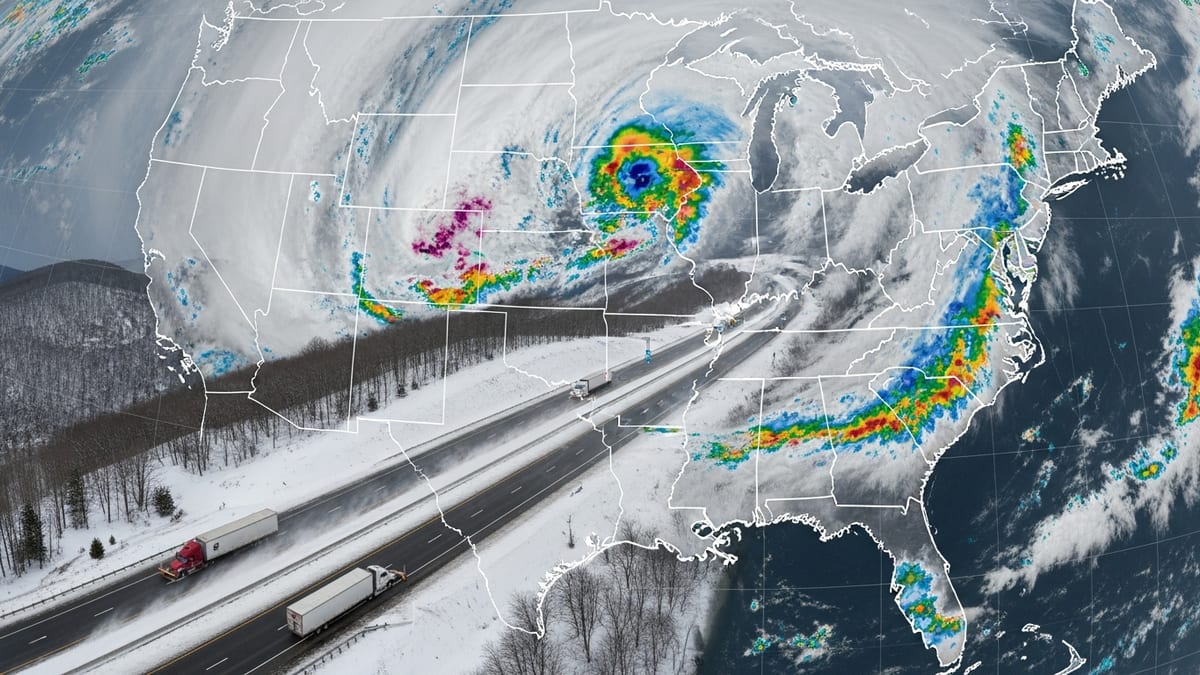
Storm cells lash Arizona as monsoon season intensifies
In the U.S. Southwest, powerful evening storm cells have marked an abrupt escalation of the 2026 monsoon pattern. Television footage from Phoenix and surrounding communities shows toppled trees, damaged roofs and pockets of localized flooding after fast‑moving thunderstorms swept across the metro area earlier this week.
Power utilities reported scattered outages as lightning and strong wind gusts brought down lines in multiple neighborhoods. Publicly available radar imagery indicated a series of intense cells forming along the leading edge of the moisture surge, with some storms producing brief but very heavy rainfall that quickly overwhelmed drainage in low‑lying areas.
Transportation was hit on the ground and in the air. Surface flooding temporarily slowed traffic on several arterial roads, while at Phoenix Sky Harbor International Airport, arriving and departing flights experienced rolling delays as ground crews paused ramp activity during lightning in the vicinity.
Local forecasts point to additional storm chances through the weekend, with forecasters highlighting the risk of shifting outflow winds, blowing dust and new bursts of heavy rain that could trigger more spot flooding.
Heavy rain in Mumbai disrupts airport operations
On the other side of the globe, monsoon downpours in Mumbai have severely strained aviation operations at Chhatrapati Shivaji Maharaj International Airport. According to Indian media coverage, a combination of intense rainfall and gusty winds earlier this week led to temporary runway closures, diversions and extensive delays across domestic and international networks.
Published reports indicate that more than a dozen flights were cancelled and hundreds delayed in a single day as visibility dropped and standing water accumulated on taxiways. Airlines serving the city have been advising passengers to arrive early and to check flight status frequently, as schedules continue to shift with each new band of rain.
Outside the airport perimeter, city infrastructure has struggled under the weight of the monsoon. Images from Mumbai’s suburbs show submerged intersections, stranded vehicles and commuters wading through knee‑deep water as drainage systems reach capacity. Transport analysts note that when major surface corridors are flooded, it becomes harder for both passengers and airline staff to reach the airport, compounding delays already triggered by weather‑related air traffic control restrictions.
India’s meteorological services have highlighted the potential for additional heavy showers in the wider Maharashtra region, cautioning that intermittent improvements in visibility at the airport may be followed by renewed disruptions as fresh storm bands move ashore.
U.S. flight delays mount as thunderstorms sweep key hubs
Monsoon moisture and associated thunderstorm complexes are also contributing to broader aviation bottlenecks across the United States. Recent data from flight‑tracking platforms and local media coverage show spikes in delays and cancellations at several major hubs as storm systems flare along typical summer storm tracks.
In the Pacific Northwest, a line of thunderstorms passing near Seattle‑Tacoma International Airport on Thursday prompted a temporary ground stop on departures and led to a wave of delays into the afternoon. According to local broadcast reports, dozens of flights were affected as air traffic managers slowed arrivals and departures to maintain safe separation in convective weather.
Farther east, a series of slow‑moving storm clusters over the Southeast and Mid‑Atlantic has periodically disrupted operations at high‑traffic airports such as Atlanta and Charlotte. Publicly available Federal Aviation Administration advisories have included ground delays and reduced arrival rates at times, reflecting the need to keep aircraft clear of hazardous cells and lightning near ramp areas.
Industry analysis suggests that while many of these delays are measured in minutes rather than hours, the cumulative effect across interconnected hub‑and‑spoke networks has been significant, with late‑day flights in particular vulnerable to knock‑on impacts as crews and aircraft miss their planned connections.
Travelers navigate cascading impacts across regions
For passengers, the monsoon‑linked disruptions are playing out in long lines, missed connections and improvised itineraries. Social media posts and consumer‑rights trackers have highlighted stories of travelers facing multi‑hour waits, rebookings onto overnight services and, in some cases, short‑notice cancellations as storms intensify near departure or arrival airports.
Aviation analysts note that monsoon storms pose several challenges at once: reduced visibility, crosswinds, lightning risks for ground staff, and saturated runways that require additional inspections before aircraft can safely land or take off. Each factor slows the cadence of operations, which in turn narrows the margin for recovering from earlier delays.
In metros such as Phoenix and Mumbai, the same weather systems disrupting flights are also straining local infrastructure, from flooded roads to intermittent power interruptions. That combination makes it harder for passengers to pivot to alternative options, such as driving to another airport or rerouting through a different city, particularly when storms are affecting multiple hubs along common flight paths.
Travel‑advice platforms are urging passengers with upcoming trips through monsoon‑prone regions to build in additional connection time, monitor forecasts, and sign up for airline notifications, noting that schedules may remain volatile as the heart of the season continues.
Airports and airlines adjust to an unsettled monsoon pattern
Airport operators and airlines are responding with a mix of tactical and seasonal measures aimed at limiting disruption. Public information from several carriers indicates the use of flexible rebooking policies during peak storm windows, allowing passengers to move travel dates or reroute itineraries when severe weather is forecast to hit key hubs.
At major airports, ground operations teams are rotating staff to manage frequent lightning holds, while maintenance crews inspect runways, taxiways and drainage systems for damage or blockages after downpours. In some locations, airport authorities have activated contingency plans for overflow aircraft parking and crowd management when prolonged delays keep travelers in terminals for longer than usual.
Climate and aviation researchers point out that managing monsoon‑related risk is an increasingly important part of long‑term planning. Recent studies on extreme weather and aviation performance describe an environment where short‑duration but high‑intensity storms can trigger outsized operational and economic impacts, particularly when they hit already busy summer travel days.
With seasonal outlooks indicating continued storm potential through August in parts of the American Southwest and South Asia, industry observers expect a sustained focus on resilience, from more granular forecasting around specific storm cells to revised scheduling practices designed to create additional buffer in the system during the most volatile weeks of the monsoon.