


More news on this day
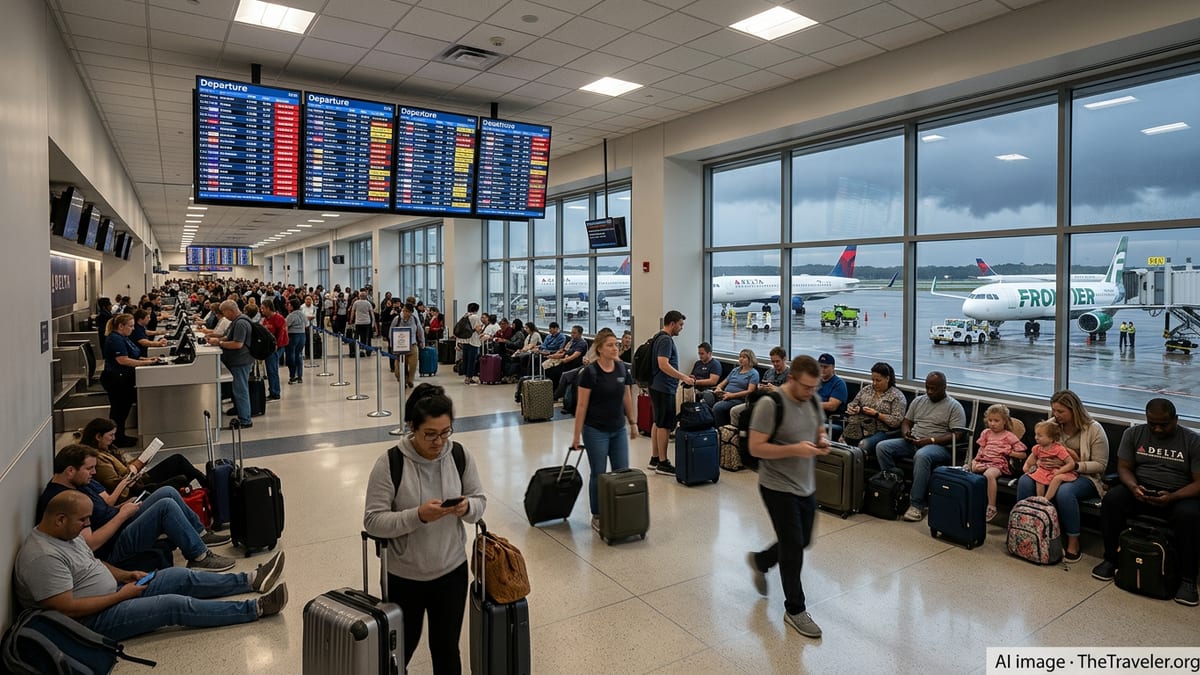
Intense monsoon storms from Arizona to India have swept through major population centers in recent days, damaging property, flooding roads and disrupting air travel as airlines and airports struggled to manage hours-long delays and cancellations.
Get the latest news straight to your inbox!
Powerful desert monsoon hammers metro Phoenix
In the U.S. Southwest, a potent monsoon burst swept across the Phoenix metropolitan area in mid-July, toppling trees, downing power lines and briefly cutting electricity to thousands of homes and businesses. Local broadcast coverage described streets choked with debris and pockets of flash flooding after evening thunderstorms built rapidly over the Valley and rolled east across the region.
Video and photos shared through news outlets showed damaged roofs, snapped poles and traffic signals left dark at busy intersections. The storms arrived after several days of triple-digit heat, a pattern that forecasters in the official seasonal outlook for Arizona’s 2026 monsoon had flagged as favorable for intense, localized downpours once sufficient moisture reached the desert interior.
At Phoenix Sky Harbor International Airport, inbound and outbound flights experienced delays as wind gusts and lightning forced temporary pauses in ground operations. Publicly available flight-tracking data indicated knock-on effects across airline networks, with aircraft and crews arriving late to subsequent destinations well into the overnight hours.
Transportation agencies and utility crews spent the following morning clearing fallen trees, repairing lines and reopening blocked arterials. Local emergency managers have urged residents to treat early-season storms as a reminder that more severe weather is possible through September.
Mumbai’s monsoon rains disrupt one of Asia’s busiest hubs
On the other side of the globe, heavy monsoon rains in Mumbai this month triggered major disruption at Chhatrapati Shivaji Maharaj International Airport, one of India’s busiest aviation hubs. According to coverage in Indian business and national media, intense showers and strong winds on July 5 and 6 prompted airport operators to briefly halt runway operations, leading to diversions and widespread delays.
Reports compiled from airport sources and flight-tracking services indicated at least 17 flights cancelled and more than 200 delayed over the course of one day, with outbound planes departing on average more than an hour behind schedule. Airlines serving the city issued public travel advisories urging passengers to arrive early, monitor their flight status and expect longer queues at check-in and security.
The India Meteorological Department had placed Mumbai and surrounding districts under a red alert for extremely heavy rainfall, warning of waterlogging, localized flooding and potential landslides. In low-lying neighborhoods, commuter rail and road traffic slowed significantly as drainage systems struggled to cope with the volume of water. For aviation, the combination of reduced visibility, wet runways and crosswinds limited the number of movements that air traffic controllers could safely accommodate each hour.
Industry analysts noted that disruptions in a major regional hub like Mumbai tend to ripple across South Asia and the Middle East as aircraft miss connection windows and morning delays cascade into the evening. Travelers on long-haul itineraries reported missed onward connections, rebookings and extended layovers at intermediate airports.
Travelers feel the ripple effects across U.S. airports
Beyond the core monsoon belt, strong convective storms linked to seasonal moisture surges have also slowed operations at several large U.S. airports. In Atlanta, published television news reports described a temporary ground stop at Hartsfield-Jackson Atlanta International Airport earlier this month as a line of storms swept across the metro area. The Federal Aviation Administration shifted from halting departures to imposing a ground delay program, meaning takeoffs and landings continued but at a reduced rate, leading to hours-long waits for some passengers.
Farther west, stormy conditions around Seattle-Tacoma International Airport prompted delays as lightning and heavy rain moved through the Puget Sound region. Local media noted that while the airport remained open, airlines adjusted schedules and held some departures at gates while ramp workers temporarily left exposed areas for safety, a common protocol during electrical storms.
In Florida, a separate cluster of unstable summer systems brought a spike in delays and cancellations at major tourist gateways including Miami and Orlando in early July. A passenger-rights analysis of flight data for Miami International Airport on one recent day counted more than 100 delayed flights and double-digit cancellations, largely attributed to convective weather and related air traffic restrictions. Orlando International reported dozens of delayed departures and arrivals during a similar time frame as thunderstorms pulsed across central Florida’s busy airspace.
Aviation researchers have long documented how even short-lived storm cells can create cascading disruption. When one airport reduces capacity because of lightning, wind shear or low visibility, flights stack up both on the ground and in the air. Aircraft arriving late then depart late for their next legs, spreading the impact across multiple cities.
Storm impacts extend beyond the runway
While flight delays draw the most attention from travelers, the same monsoon storms are straining infrastructure on the ground. In Phoenix and other desert communities, sudden downpours have contributed to localized flash flooding that swamps underpasses and washes out unpaved roads. Public works departments are leaning on monsoon-season playbooks that call for pre-positioned barricades at known flood-prone locations and rapid debris removal to keep arterial routes open.
In Mumbai, high tides coinciding with heavy monsoon bursts have aggravated waterlogging in low-lying neighborhoods, complicating airport access for passengers and staff. Buses and taxis have been forced to detour around submerged stretches, adding time and uncertainty to already delayed trips. Urban planners and climate analysts point out that such episodes highlight the vulnerability of transport corridors in growing coastal megacities as rainfall extremes intensify.
Insurance sector assessments released this year have also drawn attention to the economic footprint of seasonal monsoon events. Global reinsurance summaries attribute hundreds of millions of dollars in direct and indirect losses each year to thunderstorm complexes, flash floods and related aviation disruption, including aircraft damage, operational slowdowns and lost tourism revenue.
How airlines and passengers are adapting
Airlines are refining contingency plans as monsoon and convective seasons become more volatile. Carriers serving Mumbai issued coordinated advisories in early July, encouraging customers to use digital channels to rebook and to avoid cutting arrival times too close to departure. In the United States, major airlines and the FAA continue to rely on ground delay programs, flow-control measures and flexible rebooking policies to manage periods when storms sharply reduce available airspace or runway capacity.
Technical studies from aviation agencies and academic partners have explored how better storm prediction and real-time routing tools might reduce weather-related delays. Research presented in recent industry forums suggests that high-resolution radar, satellite data and machine learning models could help dispatchers anticipate where convective cells will form and adjust schedules earlier in the day, smoothing peaks rather than reacting only once storms develop.
For travelers, publicly available guidance from airports, meteorological agencies and passenger-advocacy organizations emphasizes preparation during peak storm seasons. Recommendations typically include booking morning flights when possible, allowing extra connection time, monitoring airline apps for gate and timing changes and carrying essential items in hand luggage in case bags arrive late or rebooked flights require unexpected overnight stays.
With the 2026 monsoon period still in its early weeks across parts of the Northern Hemisphere, forecasters expect additional rounds of intense storms in the weeks ahead. For aviation and ground transport alike, the recent episodes in Phoenix, Mumbai and other hubs underscore how quickly local weather can escalate into a wider test of resilience for global travel networks.