


More news on this day
Air travel across the United States is facing widespread disruption as data from national tracking services show 517 flights cancelled and 2,778 delayed, affecting airports from Illinois and Texas to Massachusetts, New York, Washington, Minnesota, Tennessee, Ohio and Wisconsin and impacting operations at United Airlines, American Airlines, Southwest, JetBlue and other major carriers.
Get the latest news straight to your inbox!
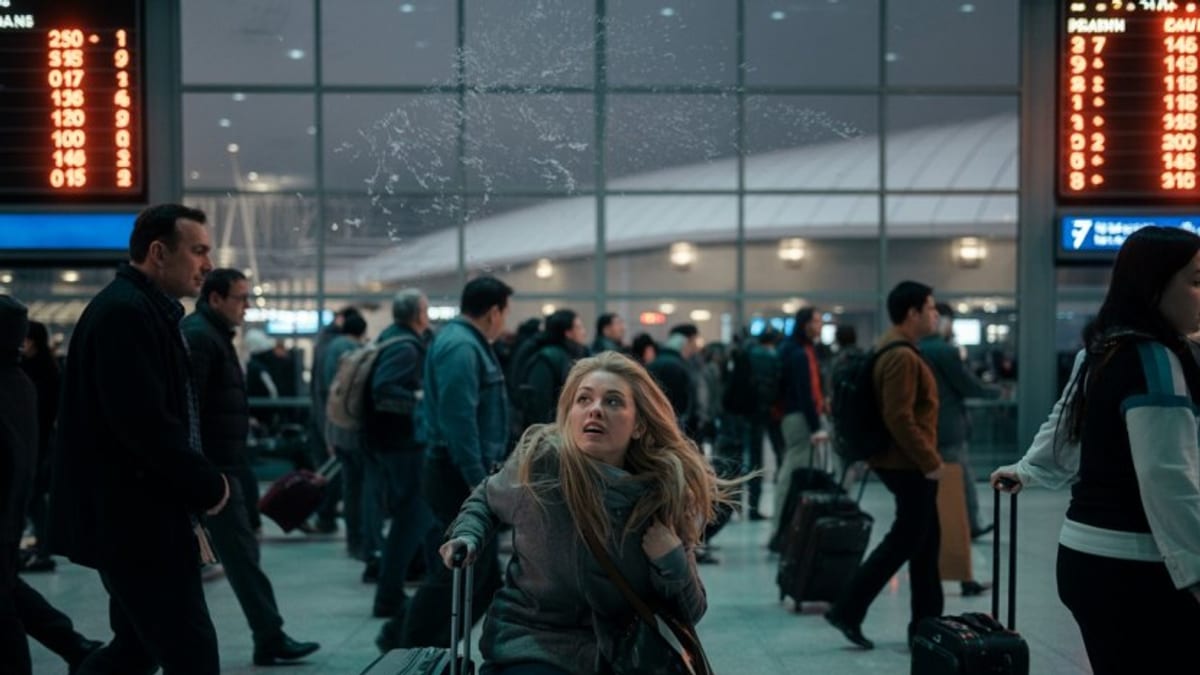
Weather Systems And Congested Hubs Combine To Snarl Schedules
Publicly available tracking boards indicate that the disruption is concentrated around several major hubs in the Midwest, Northeast and South, where storm systems and low visibility are intersecting with peak summer demand. Airports in Illinois, including Chicago’s two primary fields, are reporting elevated levels of ground delays as traffic volumes exceed normal weekend levels and crews work through backed up departure queues.
In Texas, operational summaries show Dallas Fort Worth and Houston facing a mix of weather and air traffic control constraints, creating ripple effects across domestic networks. Flights into and out of these hubs are experiencing rolling departure holds, which in turn cause late arriving aircraft and missed connections further down the line, amplifying the impact of each local delay.
Similar patterns are visible in the Northeast, where New York area airports and Boston are experiencing thunderstorms and periodic low cloud ceilings. According to published coverage and flight status dashboards, these conditions have triggered a series of ground delay programs, limiting the rate at which aircraft can land and depart and forcing airlines to trim schedules or reposition aircraft.
Operations in Washington State, Minnesota, Tennessee, Ohio and Wisconsin are also affected, though in varying degrees. In several cases, local weather remains manageable, but the airports are receiving delayed aircraft from other parts of the country, leading to rolling knock-on delays even when departure skies appear clear for passengers waiting at the gate.
Major U.S. Carriers Shoulder The Brunt Of Disruptions
The imbalance is particularly evident among the largest domestic airlines, which operate dense hub-and-spoke networks reliant on tight aircraft rotations. Data aggregated from flight tracking platforms show United Airlines and American Airlines facing substantial clusters of cancellations and long delays on hub-to-hub routes, where aircraft and crew availability are most sensitive to upstream disruption.
Southwest Airlines, with its point-to-point model and heavy presence at Midwestern and Texas airports, is also recording elevated delay rates. While many of these disruptions are currently coded as weather or air traffic related in public logs, consumer advocates frequently note that such categories can mask a mix of contributing factors, including aircraft maintenance and crew scheduling constraints.
JetBlue and other carriers with significant operations in the Northeast corridor are contending with stacked arrival and departure banks at congested airports. As capacity is throttled back during storm cells or low visibility, these banks become more difficult to process, resulting in a growing list of late evening departures and red-eye schedule changes that cascade into the next operational day.
Smaller carriers and regional partners are not immune, particularly those operating feeder services into hubs in Illinois, Texas and New York. When mainline departures are pushed back or cancelled, regional flights are frequently rescheduled or consolidated, compounding travel uncertainty for passengers originating in secondary and tertiary markets.
Travellers Face Missed Connections, Rebookings And Overnight Stays
For travelers, the aggregate statistics translate into long lines at customer service counters, crowded terminal concourses and a growing number of missed connections. Reports from airport information feeds indicate that many passengers on multi-leg itineraries through Chicago, Dallas, Houston and New York are arriving hours late, often after their onward flights have already departed or been rescheduled.
Rebooking options are becoming more limited as the day progresses, particularly on popular east to west and north to south routes. With aircraft and crews already heavily utilized during the summer season, airlines have less slack to add extra sections, leaving many travelers with only next day options or circuitous routings through less congested airports.
Hotel and ground transportation demand near major hubs is increasing as more passengers are forced to overnight. According to summaries from consumer travel platforms, same day availability at airport hotels has tightened around several large airports, and some travelers are being directed to properties farther from the terminals, adding further time and complexity to disrupted journeys.
Passengers whose flights have been delayed for several hours are also confronting schedule changes announced well into their wait, as updated weather forecasts and evolving air traffic restrictions prompt airlines to cancel services that had been expected to operate. This pattern is especially evident on late evening departures, where delays can easily cross into crew duty time limits.
What The Numbers Reveal About Systemic Strain
The figure of 517 cancellations and 2,778 delays in a single operating day underscores the sensitivity of the U.S. air travel system to simultaneous stressors. When several high volume hubs experience constraints at the same time, the impact radiates quickly through interconnected networks, particularly among large carriers with complex banked schedules.
Historical performance data from Transportation Department summaries show that even on relatively normal days, a small percentage of flights are cancelled and a larger share experience some form of delay. On days with widespread weather challenges, those baselines can rise sharply, with weather, national aviation system conditions and late arriving aircraft listed as recurring causes.
Analysts who track operational performance note that recovery from such events can take days rather than hours. Aircraft positioned out of place at the end of a disruptive day must be ferried or re-rotated, and crews may reach duty limits that require additional rest. The visible impact for travelers often lingers into subsequent days, even when local weather has improved.
The current disruption aligns with patterns seen during previous summer seasons, when convective storms, high passenger volumes and already busy airspace combine to push the system toward its limits. Each new round of cancellations and delays reinforces longstanding calls for modernized air traffic control infrastructure, more resilient airline scheduling and greater transparency around the causes of disruption.
Guidance For Passengers Navigating Today’s Disruptions
Consumer travel resources advise passengers booked on flights through affected states to monitor their flight status frequently and to pay close attention to any schedule change notifications. Same day adjustments are common during large scale disruptions, and early awareness can expand the range of rebooking options, including alternative routing through less impacted hubs.
Airline policies published on carrier websites typically outline the options available when flights are significantly delayed or cancelled, including no fee changes, refunds in certain circumstances and standby opportunities on earlier or later departures. Travelers are encouraged by these resources to review the specific rules for their ticket type before making changes, particularly when third party agencies are involved.
Experts who analyze passenger rights emphasize the importance of documenting arrival times and disruption details, in case travelers choose to pursue compensation or reimbursement for incidental expenses where eligible. While U.S. regulations differ from those in some other regions, many carriers provide commitments around meals, lodging or rebooking support during extensive irregular operations.
With significant cancellations and thousands of delays recorded across the country, public information suggests that today’s disruptions will continue to affect evening operations and may carry into subsequent days of travel, especially on routes tied closely to the hardest hit hubs.