


More news on this day
Nigerian travelers stranded at Nairobi’s Jomo Kenyatta International Airport are being urged by the Nigeria Civil Aviation Authority (NCAA) to avoid joining protests around the Kenyan capital as regional tensions and flight disruptions continue to affect movements across East Africa.
Get the latest news straight to your inbox!
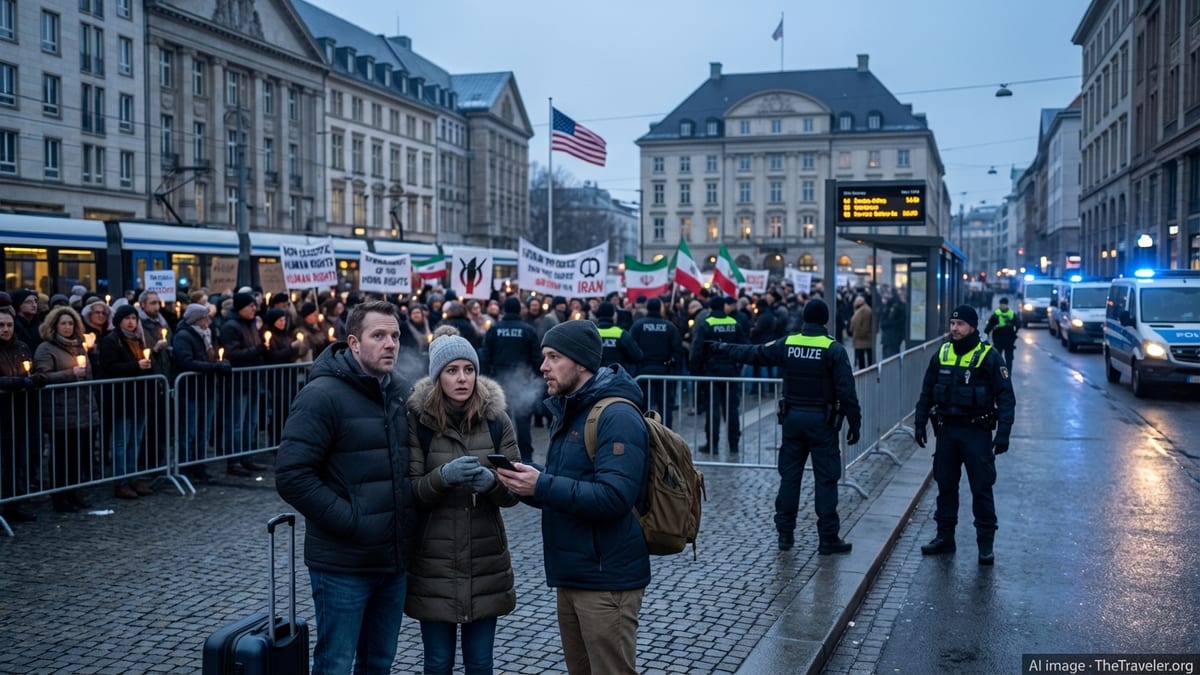
Advisory focuses on safety around Nairobi airport
Publicly available coverage indicates that the NCAA issued a cautionary notice to Nigerian nationals stuck in transit in Nairobi, warning that participation in demonstrations or crowd gatherings near airport facilities could expose them to unnecessary risk. The advisory is framed as a safety measure for those whose journeys have been disrupted and who may be tempted to join local protests while they wait for alternative connections.
Reports describe Nigerian passengers facing extended layovers and cancellations at Jomo Kenyatta International Airport as airlines adjust schedules in response to operational pressures and regional unrest. The NCAA guidance urges affected travelers to remain within secure parts of the airport or in approved accommodation, to monitor information from their airlines, and to avoid any protest activity in or around transport hubs.
Background information from the authority shows that consumer protection and passenger safety are central to its mandate, including oversight of airlines’ obligations to stranded customers during delays and cancellations. The Nairobi advisory extends that role beyond Nigeria’s borders by reminding citizens abroad to prioritize personal security and to avoid actions that could escalate already tense situations at a foreign airport.
Protest risks highlighted against Kenya’s security backdrop
Kenya’s capital has seen periodic protests linked to political and economic grievances, with demonstrations sometimes concentrated along major roads and in central districts. Travel advisories from foreign governments note that rallies in Nairobi can be unpredictable, may turn violent with little warning, and frequently block key intersections, causing severe traffic congestion and disruption to access routes for airports and other critical infrastructure.
Recent Kenyan news coverage has referenced planned demonstrations in Nairobi and official reminders that, while peaceful protest is recognized in law, violence and damage to property remain criminal offenses. At the same time, some police announcements have deemed specific planned rallies unlawful where prior notification requirements were not met, signaling a firm security posture around certain events.
International travel guidance on Kenya consistently recommends that visitors avoid large crowds and protest areas altogether, even when gatherings are intended to be peaceful. For stranded Nigerians near Jomo Kenyatta International Airport, the NCAA advisory aligns with this broader message by emphasizing that foreign travelers are particularly vulnerable in volatile street situations, where the risk of confrontation or collateral harm can rise quickly.
Nigerian travelers face wider pattern of disruptions
The warning to Nigerians in Nairobi comes amid a wider pattern of travel disruption affecting the country’s citizens regionally and at home. In recent weeks, Nigerian media have documented industrial action by aviation unions that grounded flights and left passengers stranded in Lagos and Abuja, underscoring the fragility of regional air connectivity and the knock-on effects for travelers attempting multi-leg journeys across Africa.
In those domestic cases, reports note that the NCAA publicly appealed for restraint and highlighted its focus on maintaining safety oversight while negotiations continued between unions, airlines, and government. The Nairobi advisory, though rooted in a different set of circumstances, reflects the same emphasis on structured channels for resolving grievances rather than spontaneous protest activity around aviation facilities.
For travelers, these disruptions translate into missed connections, unplanned overnight stays, and uncertainty over rebooking and compensation. The situation in Nairobi illustrates how a combined shock of local unrest and operational challenges can ripple through flight networks, especially for passengers traveling between West and East Africa who depend on a limited number of regional hubs.
Guidance for stranded Nigerians navigating Nairobi
Publicly available travel and consular guidance for the region offers practical measures that complement the NCAA’s protest warning. Travelers are generally advised to keep a low profile, follow instructions from airline and airport staff, remain alert in crowded areas, and avoid attempting to push through police lines or roadblocks near demonstrations. Maintaining regular contact with family, keeping copies of travel documents secure, and monitoring local media or airport announcements can help stranded passengers respond quickly to any change in conditions.
Security-focused advisories covering Kenya stress that demonstrations can move rapidly from one area of the city to another, sometimes affecting arterial roads serving major infrastructure. For Nigerians waiting for flights in Nairobi, avoiding nonessential trips into the city center, steering clear of known protest hotspots, and using official transport options to and from the airport are widely recommended risk-reduction strategies.
Information published by the NCAA also points to established consumer protection procedures for passengers dealing with long delays or cancellations, including channels for complaints once they are back under Nigerian jurisdiction. While those mechanisms may not resolve immediate challenges in Nairobi, the prospect of later recourse may encourage stranded travelers to concentrate on safety first, rather than joining unrest that could exacerbate their situation.
Regional travel outlook for Nigerian visitors to East Africa
The NCAA advisory highlights how fast-changing political and social dynamics in one African capital can affect travelers from another. Regional travel advisories underscore that both Nigeria and Kenya experience periodic unrest and that disruptions can emerge with limited notice, affecting airports, highways, and inner-city districts. As a result, Nigerian visitors to East Africa are increasingly encouraged by public guidance to build flexibility into itineraries and to stay informed about potential protest activity at their connecting hubs.
For leisure and business travelers alike, the Nairobi episode reinforces the importance of checking airline policies on rebooking and disruption, registering with consular services where available, and considering travel insurance that covers delays caused by civil unrest. Operators in both countries continue to promote air links as vital for trade and tourism, but the NCAA’s message in Nairobi signals that passenger safety and prudent behavior in times of tension remain central priorities.
As flight schedules are gradually restored and stranded Nigerians secure onward connections from Nairobi, the incident is likely to feed into a growing body of guidance on how African travelers can navigate an environment in which protests, security operations, and operational disruptions intersect. For now, publicly available information indicates that the NCAA’s central request to its citizens in the Kenyan capital is straightforward: stay away from protests, remain vigilant around transport hubs, and let aviation and security stakeholders manage the underlying disputes through established channels.
Nigeria Civil Aviation Authority
Kenya travel advisory, U.S. Department of State
Channels Television coverage of recent flight disruptions in Nigeria