


More news on this day
A behind-the-scenes change to how airlines report flight delays will take effect on October 19, and consumer advocates warn it could ultimately mean less help for travelers when trips go sideways.
Get the latest news straight to your inbox!
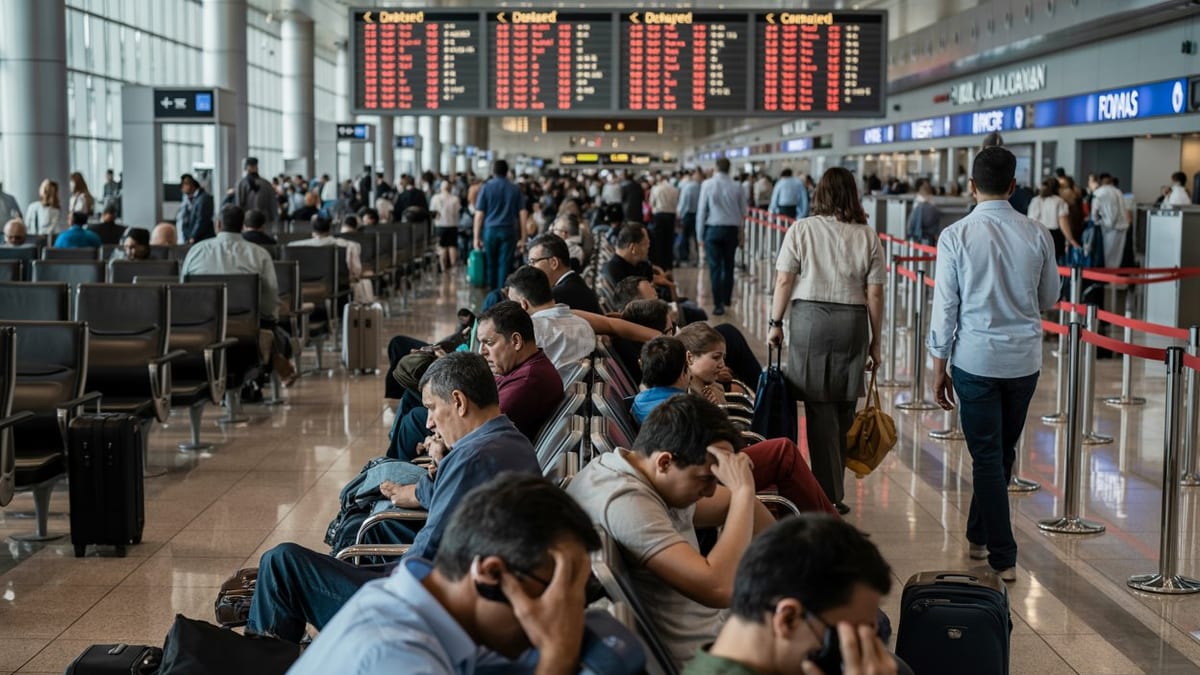
New reporting category reshapes how delays are labeled
Starting October 19, the U.S. Department of Transportation (DOT) will introduce a new category that allows airlines to classify certain disruptions as “uncontrollable” events, according to recent industry coverage. The change applies to the federal on-time performance data that carriers must submit, essentially refining the reasons they can cite when flights are late or canceled.
Previously, many schedule disruptions that were not clearly tied to severe weather or air traffic control constraints were more likely to be treated as within the airline’s control. By expanding and clarifying the types of events that qualify as uncontrollable, the new rule is expected to shift some delays out of the “airline-responsible” column in federal statistics.
On paper, the change is technical and primarily about transparency in federal data. In practice, however, it may influence how carriers frame disruptions when passengers seek assistance such as hotel vouchers, meal credits, or alternate flights during major meltdowns.
Why the “uncontrollable” label matters for passengers
Under DOT rules, U.S. airlines are not universally required to provide compensation or amenities during delays and cancellations, except in limited circumstances such as automatic refunds when flights are canceled or significantly changed and travelers choose not to travel. Those refund protections, strengthened in a separate DOT rule finalized in 2024, guarantee cash back in specific situations but stop short of mandating meals or lodging in most cases.
Instead, what stranded travelers receive often depends on the airline’s own customer-service policies, many of which distinguish between disruptions within the carrier’s control and those attributed to factors outside its control. When a delay is classified as weather-related or otherwise uncontrollable, passengers are less likely to receive hotel rooms or compensation, even if federal law entitles them to refunds when they abandon the trip entirely.
With the new reporting category, airlines may have greater latitude to place disruptions into the uncontrollable bucket, particularly in gray-area situations involving crew availability or operational challenges that can be tied indirectly to broader system strain. Advocates say that over time, this could weaken the practical leverage travelers have when asking for assistance, especially if internal airline policies mirror the language used in federal reporting.
Interaction with DOT’s broader consumer-protection push
The rule arrives as DOT highlights a broader expansion of air-travel consumer protections, from automatic refunds for canceled or significantly changed flights to proposed standards for compensation and amenities during airline-caused disruptions. Publicly available information from the department describes a multi-year effort to tighten refund rules, increase penalties for unfair practices, and require clearer disclosures of passenger rights.
In that context, the new delay-reporting category stands out as a more nuanced change. On one hand, more detailed data about why flights are delayed can help regulators, researchers, and passengers understand where problems originate. On the other, shifting more events into a category labeled uncontrollable may appear out of step with the administration’s high-profile push to hold airlines more accountable for passenger experiences.
DOT has also pursued initiatives to support travelers with disabilities, strengthen training for ground staff, and improve handling of mobility devices, reflecting a broad consumer agenda. The October 19 change does not alter those protections directly, but it adds another layer to an already complex landscape of rules, carrier policies, and informal practices that determine what help stranded passengers actually receive.
What travelers can realistically expect after October 19
Travelers should not expect an overnight transformation in how airlines respond to disruptions once the rule takes effect. The change is focused on federal reporting, and carriers are not required to revise their customer-service commitments or contract-of-carriage language on that date.
However, over time, consumer advocates and industry observers will be watching to see whether the new classification affects how often airlines describe problems as outside their control when dealing with individual passengers. If more delays are presented to customers as uncontrollable, travelers could face additional hurdles when seeking hotel vouchers, meal credits, or other assistance that remains voluntary for most U.S. airlines.
For now, the most concrete protections remain the ones already on the books: rights to refunds when flights are canceled or significantly changed and the traveler chooses not to fly; clearer timelines for receiving those refunds; and the ability to compare airlines’ voluntary commitments on services like meal and hotel coverage through public dashboards and airline policy summaries.
How passengers can protect themselves under the new regime
As the line between controllable and uncontrollable delays becomes more finely drawn in federal reporting, individual travelers may need to be more proactive. Experts often recommend documenting the disruption, checking real-time information about causes, and politely asking airline agents to explain how a delay is being categorized under the carrier’s own policies.
Because DOT’s automatic refund protections focus on cancellations and significant schedule changes rather than partial delays, passengers who still choose to travel may have little recourse beyond what the airline voluntarily offers. Trip insurance, premium credit card protections, and flexible planning can help fill some of the gaps when flights are delayed but not canceled outright.
Observers note that October and the broader fall travel period can bring a mix of late-season storms and tight airline schedules. With the new reporting rule coming online just as holiday travel planning ramps up, the months ahead are likely to test how airlines apply the uncontrollable label in practice and how much stranded passengers can count on the same level of assistance they might have received in the recent past.
Travel + Leisure: New DOT flight delay rule takes effect Oct. 19