


More news on this day
A new lawsuit connected to the 2022 derailment of the Frisco Silver Dollar Line steam train at Silver Dollar City in Branson, Missouri, is bringing fresh attention to the high-profile accident and raising renewed questions over how the popular theme park manages the safety of its vintage attractions.
Get the latest news straight to your inbox!
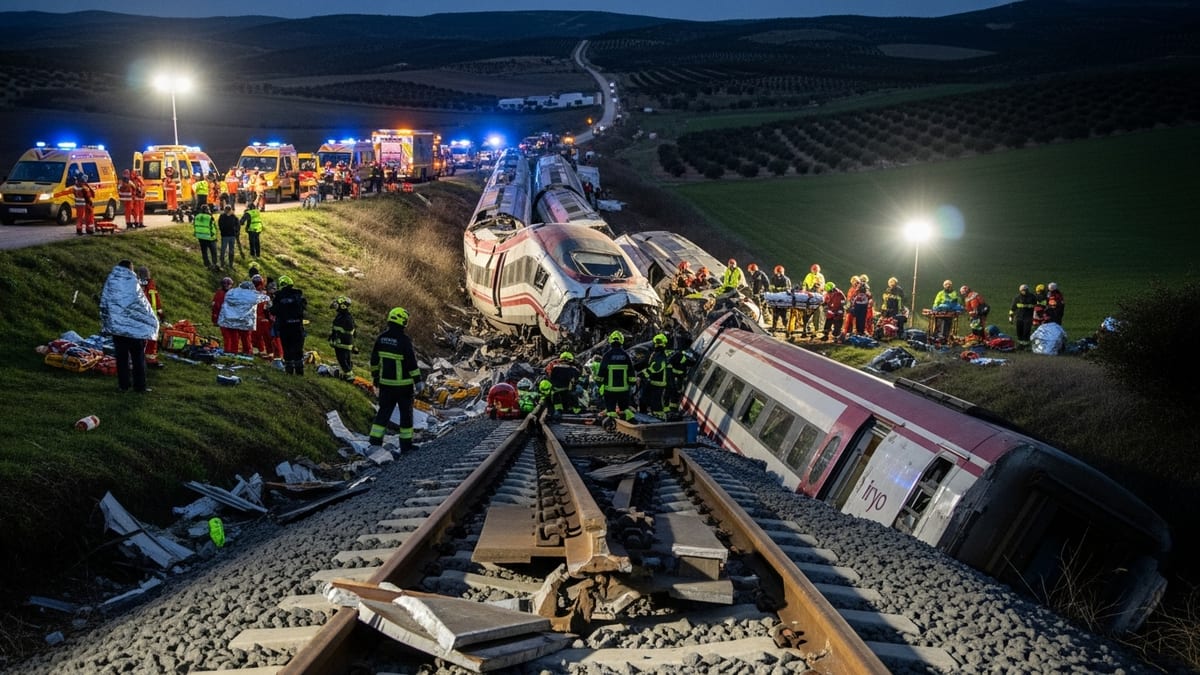
Background on the 2022 Silver Dollar City derailment
Publicly available information shows that the derailment occurred on the evening of October 26, 2022, when a train on the park’s Frisco Silver Dollar Line left the tracks as it rounded a curve. Several passenger cars tipped onto their sides, injuring guests and at least one employee. The incident took place during the park’s busy fall festival period, when Silver Dollar City typically attracts large regional crowds.
Descriptions from passengers and early media coverage indicated that three passenger coaches and the locomotive’s tender were involved in the rollover. Reports noted that the vintage-style train, a signature attraction evoking the region’s railroad history, was in motion on its standard loop within the park when the derailment happened, rather than during loading or unloading.
Subsequent coverage indicated that multiple riders were transported to local hospitals with injuries ranging from minor to more serious, though no fatalities were reported. The park temporarily closed the train attraction while state and local investigators reviewed the scene, and Silver Dollar City later stated publicly that it was cooperating with inquiries into the cause.
Regulatory logs released later, including federal records summarizing the incident, reference requests for more detail on what caused the derailment and how the ride had been inspected and maintained in the years leading up to the crash. Those records helped frame the questions now resurfacing through civil litigation.
Details of the newly filed lawsuit
The latest lawsuit, filed in connection with the derailment, seeks to hold the park’s owner and related entities responsible for alleged negligence leading up to and during operation of the train ride. According to publicly accessible court filings and media summaries, plaintiffs contend that the railroad-themed attraction was not maintained or operated in a manner sufficient to protect guests from foreseeable hazards.
The complaint reportedly focuses on issues such as track condition, train loading, inspection practices and the training of ride operators. It asserts that these factors, alone or in combination, contributed to the derailment and to the injuries that riders suffered when cars tipped and passengers were thrown within the coaches’ interiors.
Legal filings further describe physical injuries, medical expenses, and ongoing pain and suffering, as well as emotional trauma linked to the chaotic nature of the incident. Some plaintiffs also cite long-term effects that they say continue to impact daily life, including mobility challenges and anxiety associated with transportation or crowded environments.
Public court records indicate that the lawsuit seeks monetary damages, including compensation for medical treatment, lost wages, and other costs, along with punitive damages intended to discourage similar conduct in the future. The case adds to earlier legal actions already on file, signaling that legal fallout from the 2022 derailment is not yet resolved.
What is known about investigations and safety reviews
In the weeks following the derailment, investigators reviewed the condition of the train and the track, as well as operational records, according to published coverage of the incident. Inspectors focused on whether any mechanical failure, track defect, or operating practice played a role in the train leaving the rails on a curve.
Regulatory filings and information requests later logged by federal transportation authorities show that members of the public and media organizations sought access to agency records on the Silver Dollar City derailment. Those requests aimed to clarify whether the incident revealed systemic issues with the attraction, or whether it was the result of a specific, isolated failure.
Silver Dollar City did not publicly release a detailed technical report on the cause, and available documents indicate that officials primarily communicated through brief public statements at the time. Those statements emphasized cooperation with investigators and concern for injured guests, while offering limited specifics on any corrective measures implemented beyond the immediate shutdown of the ride.
The new lawsuit effectively reopens debate over the sufficiency of those earlier investigations. By cataloging alleged failures in inspection, maintenance, and training, the filing presses for a fuller accounting in a courtroom setting, where discovery rules can compel production of internal records and expert testimony.
Impact on Silver Dollar City operations and guests
The derailment prompted Silver Dollar City to keep the Frisco Silver Dollar Line closed for an extended period, altering the guest experience at a park long known for its nostalgic steam-train excursion. For many visitors, the train is a central part of the park’s 1880s Ozarks theme, and its absence reshaped the flow of crowds and the attraction lineup during busy seasons.
In the months after the incident, discussion among park fans and regional visitors, reflected in local coverage and community forums, often centered on when and how the train might safely return. Some guests expressed confidence that the park would address any problems before reopening, while others voiced lingering concern about riding the attraction again given the severity of the derailment.
Beyond the single ride, the accident added to broader public scrutiny of ride safety at regional theme parks. Operators across the industry routinely emphasize maintenance and inspection of older, legacy attractions, and the Silver Dollar City case has become part of a wider conversation about balancing historic charm with modern safety expectations.
The newly filed lawsuit could influence how the park approaches communication around safety going forward. Even absent a trial, ongoing litigation tends to keep past incidents in the public eye, particularly for travelers deciding where to spend increasingly limited vacation budgets.
What travelers should know going forward
For travelers considering a visit to Silver Dollar City, the new legal action serves as a reminder to stay informed about park operations and ride availability. Reports indicate that parks sometimes temporarily close or modify attractions following serious incidents or during extended safety reviews, and travelers who value certain experiences, such as heritage railways, may wish to verify current ride status before finalizing itineraries.
Travel and risk experts often encourage visitors to pay attention to posted safety instructions, height and health restrictions, and any advisories listed on park maps or signs at ride entrances. While theme park incidents remain statistically rare relative to overall visits, events such as the 2022 derailment illustrate why compliance with safety guidance and attentive supervision of children can be important.
Observers also note that high-profile accidents can lead to long-term safety investments, including more frequent inspections, upgraded components, or revised operating procedures. Travelers visiting in the years after a serious incident may encounter new protocols that lengthen boarding times but are intended to improve guest protection.
As the latest lawsuit over the 2022 Silver Dollar City train derailment moves through the courts, its progress is likely to shape public understanding of what happened on that October evening. For many prospective visitors, the resolution of those questions will help define their level of comfort with the park’s historic train and with similar attractions across the region.