


More news on this day
A Newcastle woman holidaying in Turkey has described being left in tears after her flight home was abruptly cancelled, leaving her and her mother stranded overnight amid wider disruption linked to an air traffic control issue affecting UK-bound services.
Get the latest news straight to your inbox!
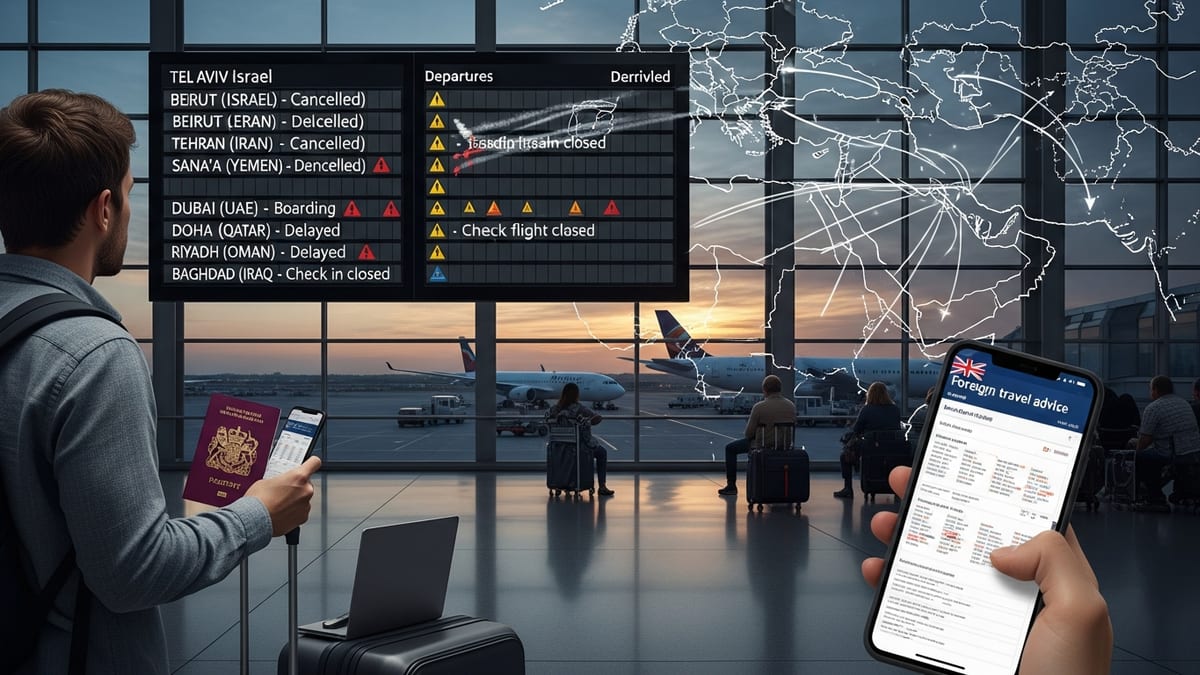
Flight from Turkey to Newcastle cancelled after air traffic control issue
According to recent coverage, Melissa Green from Newcastle had been due to fly back to the North East from Turkey following a break in Marmaris when her return journey was called off at short notice. The flight, which was scheduled to bring her and her mother home, was cancelled in the wake of problems affecting UK air traffic control systems, part of a wider disruption that led to numerous delays and cancellations for passengers across multiple airports.
Reports indicate that Ms Green’s flight was among those grounded after the technical issue emerged, leaving holidaymakers in resort airports facing long waits and uncertainty about when they would be able to travel. The disruption followed an incident in which incorrect flight data reportedly affected the UK’s National Air Traffic Services, triggering a precautionary reduction in capacity and forcing airlines to adjust schedules.
Publicly available information shows that, while many services were ultimately able to depart later or the following day, a significant number of passengers on affected routes remained stuck overseas while new arrangements were put in place. For those at smaller holiday airports or on late-night flights, options could be particularly limited, compounding frustration for travellers hoping to return to work, family commitments and everyday routines.
In Ms Green’s case, the cancellation left her still in Turkey with no immediate route back to Newcastle, prompting her to describe herself as being in tears over the uncertainty. Coverage of the incident has echoed similar accounts from travellers caught up in the same disruption, some of whom reported difficulty getting clear information on rebooking, accommodation or compensation.
Stranded in resort as passengers seek answers
Accounts from the scene describe passengers at Turkish airports waiting in departure halls as information boards updated repeatedly and staff worked to understand which flights could operate once the air traffic control problem was contained. For travellers expecting a straightforward journey home at the end of their holiday, the sudden shift from boarding queues to cancellations created a stressful and emotional environment.
Publicly available reports suggest that Ms Green and her mother were left in limbo as they tried to establish whether an alternative flight or overnight stay would be arranged. In many similar incidents affecting UK travellers, responsibility for rebooking and care such as refreshments or hotel rooms typically lies with the airline or tour operator, but the speed and clarity of communication can vary widely from case to case.
Previous episodes of disruption affecting flights into northern England hubs, including Newcastle International Airport, show how quickly knock-on effects can spread. During earlier technical issues and weather-related problems, passengers bound for the North East have reported diversions, extended delays and having to spend the night at overseas airports while waiting for replacement services.
For travellers like Ms Green, the combination of distance from home, concern over work or family obligations, and uncertainty over costs can heighten the emotional impact of a cancellation. While many passengers ultimately complete their journeys, the experience often leads to renewed questions about how information is shared during fast-moving aviation incidents.
Wider disruption for UK-bound passengers
The cancellation in Turkey formed part of a much broader pattern of disruption triggered by technical difficulties within the UK’s air traffic management system. Recent coverage indicates that the incident prompted restrictions on the number of flights that could be handled at any one time, leading airlines to delay, divert or cancel services into and out of UK airports.
Reports from other UK travellers caught up in the same disruption describe people sleeping on terminal floors and trolleys, queuing at airline desks and using mobile apps in attempts to secure new bookings. Airlines and package operators have published online updates advising customers to check the status of their flights, underscoring the scale of the challenge in reshaping schedules at short notice.
Newcastle passengers have experienced similar shocks in recent years during major system outages and severe weather events, when flights returning from European leisure destinations have been delayed or cancelled. In those cases, travellers heading back to the North East from destinations such as the Canary Islands and the Greek islands have reported long waits, sudden changes to departure times and last-minute hotel allocations while they waited for aircraft and crews to become available.
The latest incident involving Ms Green highlights how localised stories of individual distress are often linked to complex technical problems affecting an entire network. For passengers, however, the main concern tends to be far more immediate: when they will get home and who will help them along the way.
Passenger rights and what stranded travellers can expect
For UK-bound travellers whose flights are cancelled, publicly available guidance highlights a series of potential rights under UK and European-style passenger protection rules, depending on the route, airline and cause of disruption. On flights departing from Turkey to the UK, airlines that are based in the UK or the European Union may still fall under regulations that require them to offer assistance and rebooking in certain circumstances.
Travel advice from regulators and consumer organisations notes that, in many cases, passengers are entitled to a replacement flight at the earliest opportunity or a refund if the journey no longer suits their plans. Where travellers are stranded overnight, guidance often states that airlines should provide meals and refreshments, and arrange accommodation and transfers if no immediate alternative departure is available, although implementation can vary.
Compensation for inconvenience is typically tied to the length of delay and the reason for the cancellation. When a disruption is classified as being caused by extraordinary circumstances such as air traffic control failures, some carriers may not be required to pay additional compensation, though basic care and assistance obligations can still apply. Passengers are often advised to keep receipts, document their communications and check official airline or regulator pages for the latest rules.
The experience of Ms Green and other holidaymakers caught in the same air traffic control incident may prompt renewed attention to how clearly these rights are explained at airports and through booking platforms. For many stranded travellers, the immediate priority remains practical support, but understanding the framework of what they can expect from airlines can help inform decisions once they are finally on their way home.
Calls for more resilient systems ahead of peak travel seasons
The emotional scenes reported in Turkey and at other airports underline the pressure placed on aviation systems during peak holiday seasons. Technical issues within air traffic control, combined with busy schedules and high load factors, can leave little margin for error, meaning a single fault can cascade into widespread cancellations.
Coverage of previous disruptions involving UK airspace has prompted debate about investment in technology, staffing and contingency planning across air navigation services, airlines and airports. Analysts quoted in public reports have raised concerns that increasingly complex air traffic systems require regular upgrades and robust backup arrangements to reduce the likelihood of large-scale failures.
For regional hubs such as Newcastle International Airport, reliable links to popular sun destinations are a key part of the local travel offering. When routes from holiday hotspots are affected, it not only impacts individual passengers like Ms Green but also shapes broader perceptions of how dependable short-haul leisure travel has become in an era of frequent operational shocks.
As airlines and air traffic control providers review the latest incident, travellers from the North East and beyond are likely to pay close attention to any changes aimed at improving communication and resilience. For passengers who have found themselves in tears in foreign terminals, reassurance about future reliability may be as important as any compensation received after the fact.
AOL: Woman in tears after flight home cancelled
ITV News Tyne Tees: Newcastle Airport disruption and updates
AP News: UK air traffic control issue and flight cancellations