


More news on this day
From Astoria’s deepwater docks to the Columbia and Snake River canyons, Oregon’s coastal ports and inland riverways are seeing a rapid upswing in maritime tourism that is reshaping travel patterns across the Pacific Northwest.
Get the latest news straight to your inbox!
Coastal Gateways Riding a New Wave of Cruise Interest
Oregon’s ocean-facing ports are emerging as coveted calls on Pacific itineraries, with Astoria in particular gaining visibility among small- and mid-size cruise operators that are threading the Columbia River into Alaska and repositioning voyages. Publicly available information from port planners indicates that calls have diversified beyond traditional seasonal peaks, with more fall and spring visits that spread passenger traffic over a longer window.
The Port of Astoria markets itself as a compact gateway where ships can berth within walking distance of a revitalized riverfront and historic downtown, a format that appeals to expedition and premium cruise brands targeting immersive, small-city stops. Cruise industry coverage notes that Astoria’s tourism offer, from the riverfront trolley to museums and beer trails, now regularly features in Columbia-focused and coastal cruise brochures as a differentiator in the broader Pacific Northwest market.
Further south, communities such as Newport and Coos Bay are working to expand capacity for marine visitors, including transient recreational boats, fishing charters and occasional small-ship calls. Regional tourism planning documents highlight investments in marina improvements, harborfront amenities and visitor services designed to handle more overnight stays linked to boating and charter trips.
These developments are unfolding alongside broader growth in coastal travel. Statewide tourism analyses show that the Oregon Coast accounts for a significant share of visitor spending, with recent Travel Oregon data indicating coastal destinations drawing billions of dollars annually in direct travel expenditures. Observers say that even a modest rise in cruise and marine visitation can reverberate strongly through smaller ports where waterfront businesses are tightly tied to seasonal flows of travelers.
Columbia and Snake Rivers Become Signature Cruise Corridors
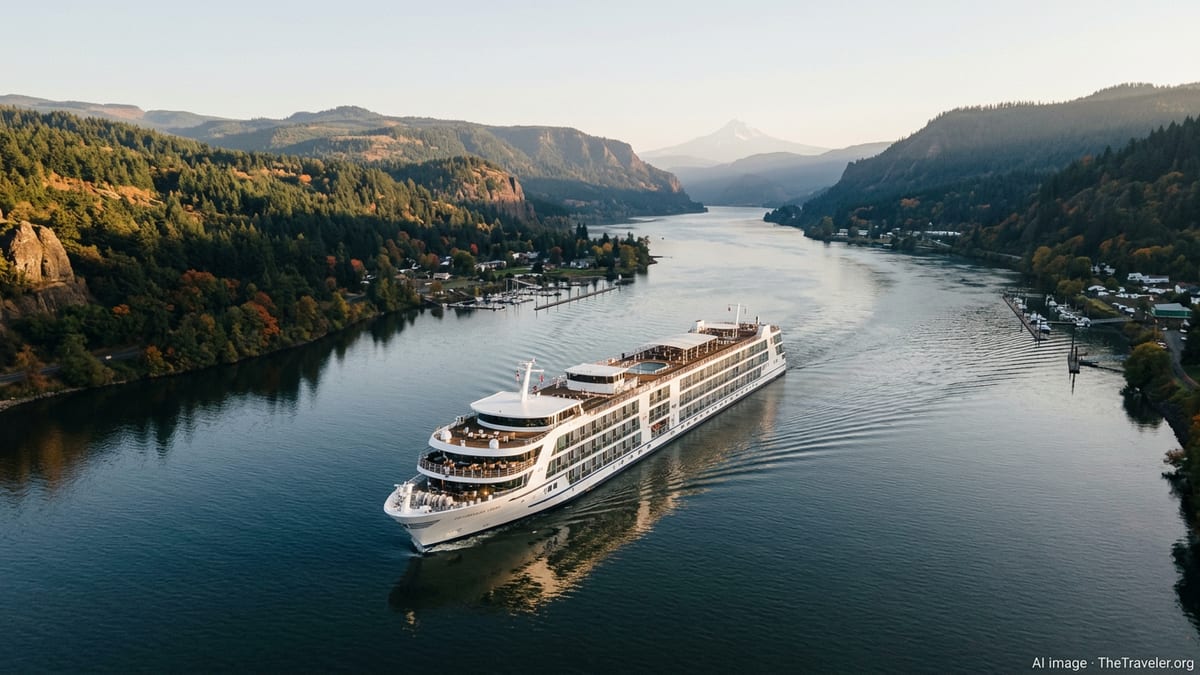
While big-ship sailings capture headlines, the most dramatic maritime surge in Oregon is unfolding inland along the Columbia and Snake Rivers. River-cruise operators are ramping up capacity on these routes, marketing the combination of wine country, waterfalls and high desert canyons as one of the premier domestic river itineraries in the United States.
Industry reports show that companies such as American Cruise Lines have expanded their Columbia and Snake River deployments over the last several seasons, fielding multiple vessels with itineraries that typically run between Astoria or Portland and Clarkston, Washington. Cruise trade coverage for the 2024 and 2025 seasons describes a strong lineup of riverboats dedicated to these waters, with new and refurbished vessels adding berths and lengthening the operating season.
The Columbia and Snake system offers more than 300 miles of navigable river between Astoria and the inland Northwest, according to regional navigation data, giving operators a varied backdrop that ranges from the Columbia Gorge to wheat country upriver. Travel marketers increasingly position these routes as an alternative to European river cruising, with shorter flight times for U.S. guests and a focus on American history, Indigenous cultures and regional food and wine.
Smaller excursion vessels and historic-style sternwheelers on the Columbia and Willamette also play a role, offering day cruises, dinner sailings and themed voyages that feed into a wider river-based tourism economy. Long-running operators based in Portland and Salem continue to draw both residents and visitors onto the water, reinforcing the profile of Oregon’s rivers as leisure destinations rather than just industrial transport corridors.
Economic Signals Show Maritime Tourism’s Growing Weight
The maritime upswing is arriving at a time when outdoor recreation and travel already represent a major segment of Oregon’s economy. Federal economic data released in 2026 indicate that outdoor recreation accounted for roughly 2.7 percent of the state’s gross domestic product in 2024, a share that captures everything from boating and fishing to hiking and camping. Analysts point out that coastal and river-based activities form a substantial slice of that total.
State-level travel impact reports prepared for Travel Oregon show overall visitor spending topping tens of billions of dollars annually, with the Oregon Coast consistently ranking among the top regions for tourism receipts. Within that coastal figure, marine recreation and charter fishing contribute notable income, while newer segments such as river cruising are adding higher-yield guests who often purchase premium excursions, tasting experiences and overnight stays on either end of their voyages.
Additional economic research from agencies including the Oregon Parks and Recreation Department and the Department of Fish and Wildlife underscores the importance of marine-dependent recreation, from whale-watching and sport fishing to diving around marine reserves. Studies of specific protected areas on the south coast, for example, have documented measurable local income and job creation linked to research and tourism activity, suggesting that marine attractions can support both conservation and commerce.
Local labor-market analyses for the south coast region report steady gains in travel-related employment tied to lodging, food service and recreation. Economists tracking these trends suggest that as cruise calls and riverboat itineraries expand, they amplify existing visitor economies rather than displacing land-based travel, spreading benefits across hotels, restaurants, guides and transportation providers.
Communities Seek Balance Between Access and Stewardship
The surge in maritime interest is prompting coastal and river communities to grapple with questions of capacity, environmental impact and resident quality of life. Planning documents released by the Oregon Coast Visitors Association emphasize a shift toward destination management, with strategies that aim to disperse visitors, extend stays into shoulder seasons and steer growth toward experiences that align with community values.
On the water, that has translated into efforts to promote low-impact activities such as kayaking, sailing and wildlife watching, often paired with educational messaging about marine ecosystems and safety. Marine reserves and protected areas along the coast are increasingly woven into visitor itineraries as sites for tidepooling, interpretive walks and volunteer programs, illustrating how conservation zones can also function as tourism anchors when carefully managed.
In port towns, initiatives to improve wayfinding, transit links and pedestrian access between docks and downtowns are meant to ensure that cruise and riverboat passengers spread out beyond immediate pier areas. Some communities are experimenting with voluntary passenger caps, timed excursion departures and reservation systems for popular attractions in peak season, aiming to keep crowding in check while still welcoming maritime visitors.
Regional tourism coordinators point to ongoing public engagement, including resident sentiment surveys and local advisory groups, as critical tools for tracking how the maritime surge is perceived on the ground. Early findings discussed in recent coastal reports suggest that while many residents value tourism-driven jobs and investment, they are also calling for continued attention to housing, infrastructure and environmental protections as visitor numbers rise.
New Itineraries Signal an Unfinished Growth Story
Looking ahead, itinerary announcements and strategic plans released over the past two years suggest that Oregon’s maritime travel arc is still in an early growth phase. Cruise-trade coverage of forthcoming seasons highlights fresh combinations of coastal calls with inland river segments, as operators seek to offer one-way journeys that stitch together Astoria, Portland, the Columbia Gorge and upriver communities in Washington and Idaho.
Port investment plans along the coast and rivers, including dock upgrades, dredging projects and shore-power studies, are being framed by local leaders as critical to staying competitive in the evolving cruise and riverboat market. Public documents indicate that many of these improvements are designed to accommodate small and mid-size vessels rather than mega-ships, signaling a deliberate focus on scale and fit with local infrastructure.
At the same time, Oregon’s broader travel strategy continues to spotlight lesser-known harbors, estuaries and river towns that can absorb additional traffic, potentially easing pressure on already popular destinations. Marketing materials produced for domestic and international audiences increasingly feature images of people on decks and docks, reinforcing waterways as central venues for experiencing the state.
The result is a maritime tourism landscape that is expanding in multiple directions at once: coastal ports evolving into boutique cruise gateways, river corridors transforming into headline itineraries, and small-boat recreation filling in the gaps between. For travelers, that translates into more ways to explore Oregon by water at a moment when preferences are tilting toward scenic, slower-paced journeys, suggesting that the current wave of maritime demand may have considerable distance left to run.