


More news on this day
Domestic and regional travel across Malaysia faced major disruption on 10 June 2026 as more than 40 flights were reported cancelled or heavily delayed, with Kuala Lumpur International Airport, Langkawi and Penang among the worst affected and services on carriers such as AirAsia and Batik Air particularly impacted.
Get the latest news straight to your inbox!
Disruption at Key Malaysian Hubs
Publicly available airport and airline data for 10 June point to a wave of cancellations on some of Malaysia’s busiest domestic corridors, notably routes linking Kuala Lumpur International Airport with Langkawi and Penang. These routes are among the country’s highest frequency services in normal conditions, supporting both tourism and business travel.
Reports from flight tracking platforms show multiple services either marked as cancelled or removed from the live departure and arrival boards on Tuesday, indicating significant schedule disruption rather than isolated operational changes. The affected airports include Kuala Lumpur International Airport’s main terminals as well as Langkawi International Airport and Penang International Airport, both critical gateways for northern Malaysia.
While the total number of cancellations varies slightly between tracking tools, combined tallies from domestic and regional sectors indicate that more than 40 flights were either cancelled outright or effectively lost from the operating schedule across the day. The figure includes a mix of early morning and late evening departures, complicating same day rebooking options.
The disruption has been most visible on high density leisure routes. Langkawi and Penang rely heavily on short haul connections from Kuala Lumpur for inbound visitors, and concentrated cancellation on these corridors has quickly translated into crowded terminals and longer waits at service counters.
AirAsia, Batik Air and Other Carriers Affected
According to published schedules and real time trackers, low cost carrier AirAsia and full service operator Batik Air appear prominently among the disrupted flights, reflecting their large presence in Malaysia’s domestic market. Both airlines operate multiple daily frequencies linking Kuala Lumpur with Langkawi and Penang, which magnifies the impact when several rotations are removed in a single day.
On Tuesday, a number of AirAsia services between Kuala Lumpur and Langkawi and between Kuala Lumpur and Penang were either cancelled or subject to major timing changes. Similar patterns were visible on some Batik Air operations, including services touching Kuala Lumpur International Airport, as the airline adjusted rotations across its domestic network.
Other Malaysian and regional carriers also appear in the disruption picture, though typically with fewer daily flights and therefore fewer cancellations in absolute terms. Schedules involving shared routes and codeshares mean that a single cancellation can affect passengers booked under multiple airline brands, even when only one operator actually flies the sector.
Consumer reports and regulatory summaries released in recent months have already highlighted flight cancellations and schedule changes as a recurring issue for several Malaysian airlines. The current cluster of cancellations therefore lands in an environment where passenger sensitivity to reliability and refund processing is already heightened.
Possible Drivers Behind the Wave of Cancellations
Airlines and airports had not issued a single unified explanation for the scale of disruption by Tuesday afternoon, and different factors may be at play on different routes. In Malaysia, short notice cancellations are commonly associated with adverse weather, aircraft rotations that fall behind schedule and operational decisions related to crew availability.
Northern Malaysia can experience rapidly changing weather conditions at this time of year, and sudden storms have been linked to delays and diversions in the past. When these events affect aircraft positioning, operators sometimes cancel later sectors in order to restore punctuality or comply with crew duty time limits.
Operational data released previously by regulators has also shown that some carriers record higher than average rates of cancellations and schedule changes relative to their passenger volumes. This pattern suggests that network planning, fleet utilisation and turn around buffers may contribute to periodic clusters of disruption when any additional pressure such as weather or technical inspections emerges.
However, without formal incident summaries for each affected flight, it is not possible to attribute the 10 June disruption to any single cause. Available evidence instead points to a mix of operational and environmental factors converging on an already busy set of domestic routes.
Impact on Passengers and On the Ground Conditions
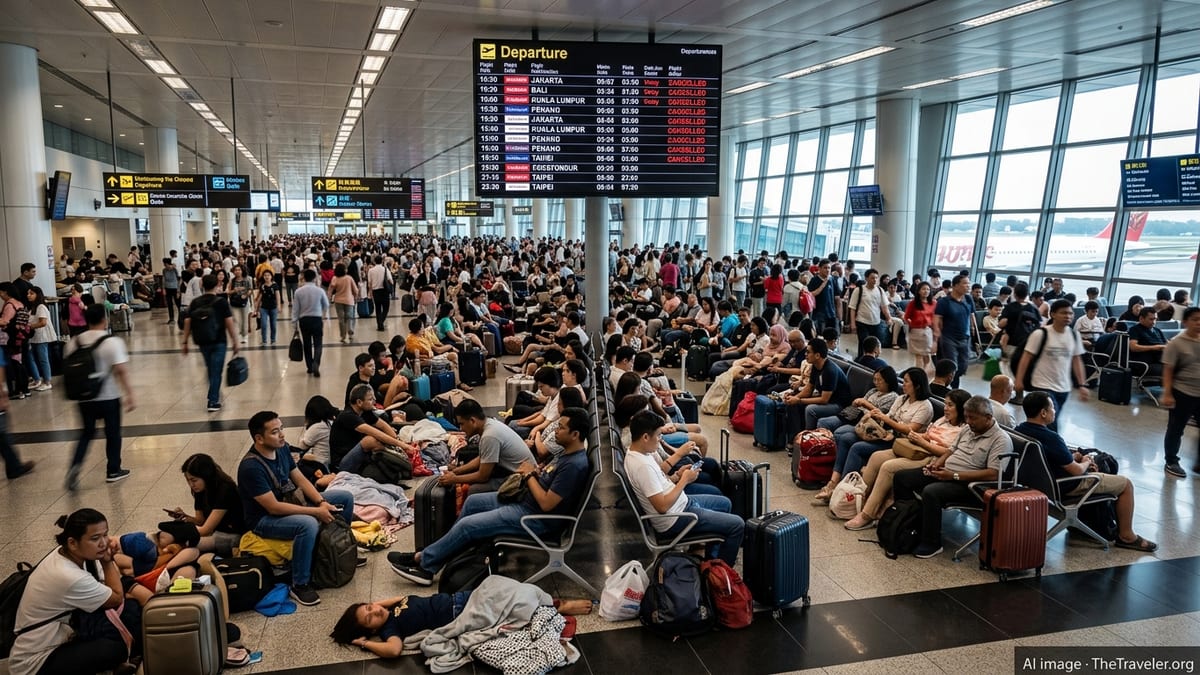
By mid day, images and descriptions on social media and traveller forums depicted crowded check in halls and service counters at Kuala Lumpur International Airport as passengers sought information, refunds or rerouting options. Langkawi and Penang passengers reported similar scenes on a smaller scale, with long lines forming at airline desks during peak cancellation windows.
Same day alternatives were limited on some routes because the affected airlines already operate near capacity on popular flights to and from Kuala Lumpur. When multiple rotations on the same corridor are removed, later flights quickly sell out, leaving many travellers to consider overnight stays, detours via other Malaysian cities or travel on competing carriers.
The knock on effect is particularly acute for passengers with onward international connections through Kuala Lumpur. Missed links to regional and long haul services can trigger complex rebookings or partial cancellations of entire itineraries, adding financial strain and uncertainty.
Families travelling with children, older passengers and those with time sensitive plans such as medical appointments or business meetings are especially exposed when widespread cancellations occur with only a few hours’ warning. Publicly available consumer data for previous periods shows that complaints linked to cancellations often include claims for additional accommodation and transport costs that are not immediately reimbursed.
What Travelers Can Do If Their Flight Is Affected
Travel advisories from aviation regulators and consumer groups in Malaysia emphasise that passengers should monitor their flight status directly with the airline and through airport information boards, particularly on days when significant disruption is reported. Many carriers offer mobile applications and text or email alerts, although these depend on accurate contact details being included in the booking.
In the event of a cancellation, most airlines invite passengers to change to another available flight within a defined window, request a travel credit or seek a refund, depending on fare rules. Some provide the option to manage changes online, which can reduce time spent in airport queues when many flights are affected simultaneously.
Passengers who booked through online travel agencies or third party platforms may need to work through those intermediaries for changes and refunds. This additional step can extend processing times, so consumer guidance often recommends keeping all confirmation emails, receipts and boarding passes in order to support any later claim.
Travelers are also encouraged to review the terms of their travel insurance, if purchased, to understand whether policy coverage includes missed connections, additional accommodation or alternative transport following airline cancellations. Written documentation of the disruption, such as airline notices and updated itineraries, can be important when lodging claims.