


More news on this day
Pet owners reluctant to leave their animals on land are seeing new options at sea, as Cunard refreshes its famous Queen Mary 2 kennels and competitors including MSC Cruises explore ways to serve a growing niche of pet-focused travelers.
Get the latest news straight to your inbox!
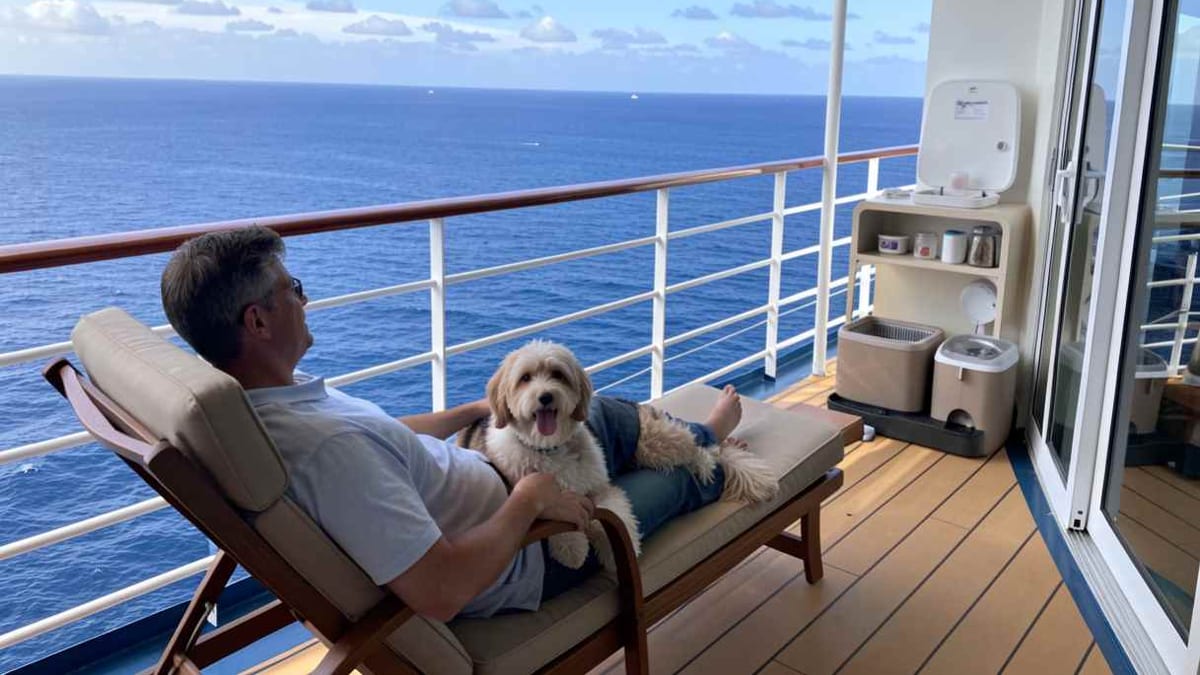
Cunard Updates the Only Dedicated Kennels on a Major Ocean Liner
Cunard continues to anchor the pet-travel segment with Queen Mary 2, currently the only major ocean liner offering purpose-built kennels for dogs and cats on regular transatlantic crossings. Publicly available information shows that the ship carries pets only between Southampton, New York and occasionally Hamburg, with animals housed in a secure kennel complex on Deck 12 rather than in guest cabins.
The line’s latest program details indicate that Queen Mary 2 now has 24 kennels, divided into upper and lower units, alongside a private outdoor exercise area and an owners’ lounge where human guests can spend scheduled visiting time with their animals. According to booking guidance from specialist agencies, kennels are offered only on select transatlantic sailings and can sell out several years in advance, particularly larger enclosures suited to big dogs.
Reports from recent marketing materials and travel trade coverage highlight that Cunard is using an upcoming Queen Mary 2 refurbishment to refresh the kennel area, redesigning the space and upgrading finishes as part of a wider ship update. Kennel waitlists have become common, reflecting persistent demand from travelers relocating between North America and Europe who want to avoid placing pets in aircraft cargo holds.
From Niche Service to Competitive Talking Point
For years Cunard’s kennel program stood largely alone among mainstream cruise brands. While most ocean cruise lines allow trained service animals under disability regulations, they generally prohibit companion pets from sailing, which has left pet owners reliant on Cunard’s transatlantic route or on short-distance car ferries with basic kennel blocks.
Industry commentary now suggests that the visibility of Queen Mary 2’s kennels, amplified by social media and specialist relocation forums, has helped push pet travel higher up the agenda for other operators. Travel advisors note that relocations, long-term assignments abroad and remote-work arrangements are all feeding interest in slow, surface-based travel for both people and their animals.
Pricing for Queen Mary 2 kennels, reported by cruise intermediaries and recent news features, typically ranges from several hundred to more than one thousand US dollars per sailing, depending on kennel size and route, on top of the human guest’s cruise fare. Despite the premium, many pet owners view the seven-night crossing as a more controlled environment than air cargo and are prepared to book years in advance to secure space.
MSC Cruises Experiments as European Lines Eye Pet Demand
As demand becomes more visible, European-based giant MSC Cruises has begun to appear more frequently in traveler discussions about pet-friendly sailing. Official guest-information pages for MSC focus primarily on accessibility and the carriage of service animals, but recent coverage in European media and on traveler forums points to limited test programs on selected ships in Northern Europe and the Mediterranean that explore more structured accommodation for dogs on specific sailings.
Publicly accessible information on MSC’s core fleet still emphasizes that only recognized assistance dogs are broadly accepted across itineraries. However, industry observers note that high-capacity newbuilds such as MSC Euribia, already positioned as environmentally advanced flagships, would be logical candidates for any future roll-out of designated outdoor pet zones or kennel-style facilities on a trial basis.
Travel trade commentary also links MSC’s interest to that of several ferry and overnight cruise-ferry operators in Europe, which have long offered simple kennel blocks or a small number of pet-friendly cabins. As MSC expands its presence in regions where travelers are used to taking dogs on short sea crossings, analysts suggest the line has incentives to test programs that might bridge the gap between basic ferry kennels and Cunard’s more curated transatlantic experience.
More Operators Test Pet Policies, but Strict Rules Remain
Beyond Cunard and MSC, a broader set of operators is starting to experiment at the edges of pet-friendliness. Some regional cruise-ferry services in the Mediterranean and Baltic already maintain onboard kennels or allow dogs in designated exterior areas, while a handful of small-ship and expedition brands promote sailings where pets may be accepted on a case-by-case basis, subject to local regulations.
Even with these experiments, published policies make clear that most cruise lines still do not regard their ships as fully pet-friendly environments. Health regulations, cleaning demands, allergy concerns and port-state rules all constrain how freely animals can move around vessels. On Queen Mary 2, for example, Cunard’s contract terms and brochures specify that non-assistance pets must remain in the kennels for the duration of the voyage, with no access to guest staterooms or public lounges.
Veterinary and import rules at either end of a voyage add further complexity. Cruise documentation for transatlantic crossings directs passengers to national guidance in the United Kingdom and United States on vaccinations, microchipping, tapeworm treatment and pre-travel health certificates. Travelers remain responsible for ensuring that every requirement is met, since failure to comply can result in pets being refused boarding or quarantined on arrival.
A Growing but Still Highly Regulated Niche
Industry data and travel-agency reports suggest that the pet segment remains a tiny fraction of global cruise capacity, but one that attracts disproportionate attention and planning. Queen Mary 2’s kennels, in particular, tend to be used by travelers undertaking life moves rather than short vacations, and those guests often invest significant time in crate training, paperwork and waitlists before sailing.
Analysts point out that as more lines, including MSC Cruises, test or refine policies for pets and assistance animals, pet travel at sea is entering a more competitive era. Cunard retains a first-mover advantage with fixed kennel infrastructure on a famous transatlantic ship, yet rival brands are watching closely to see whether dedicated facilities or occasional pet-designated sailings could justify the operational complexity.
For now, would-be cruisers with dogs or cats face a patchwork of rules that vary by line, ship and itinerary. Publicly available information from cruise lines, government portals and specialist relocation channels continues to stress that early booking, detailed paperwork checks and careful review of each operator’s pet policy remain essential for anyone planning to bring a four-legged companion on board.
Cunard Queen Mary 2 kennels information
Cunard brochure and pet carriage terms
Cruise Critic overview of Queen Mary 2 kennels
Industry coverage of cruising with pets
MSC Cruises information on assistance animals and accessibility