


More news on this day
A gradual easing of travel advisories for the United Arab Emirates is reshaping how governments, airlines and travelers view trips to Dubai, Abu Dhabi and other emirates after months of heightened regional tension.
Get the latest news straight to your inbox!
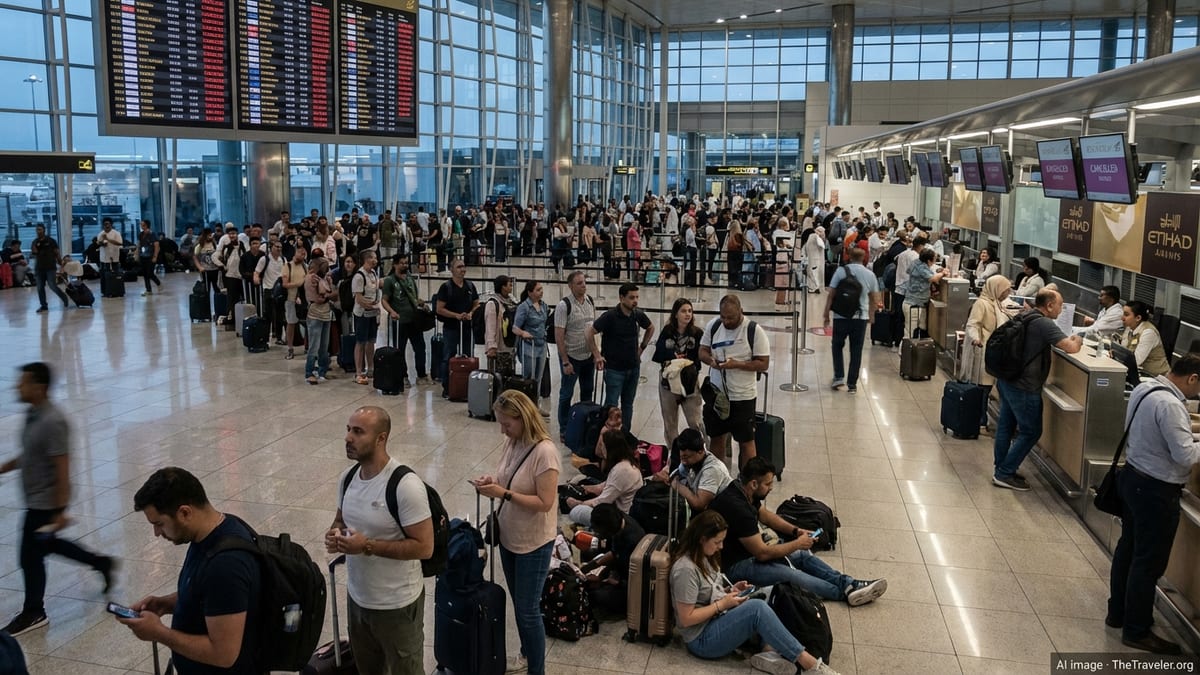
From Blanket Warnings to More Nuanced Guidance
Over recent months, official travel advice for the United Arab Emirates has shifted from sweeping warnings to more calibrated language that distinguishes the country from wider regional flashpoints. While some governments continue to urge caution due to the broader security picture in the Middle East, publicly available advisories increasingly present the UAE as a destination where risks are being reassessed rather than automatically escalated.
Travel-advice updates tracked by foreign ministries indicate that earlier recommendations framed largely around regional conflict and the risk of spillover are being replaced by narrower references to airspace, critical infrastructure and specific security scenarios. This marks a change from the period immediately after missile and drone strikes linked to regional tensions, when several governments moved quickly to raise their alert levels for the UAE.
The new tone does not amount to a uniform green light. Levels of caution and wording vary between countries, but the trend points toward more differentiation between the UAE’s internal security conditions and those in nearby conflict zones. For travelers, the result is a more complex but also more flexible advisory landscape.
United Kingdom Signals Greater Confidence in UAE Travel
One of the most closely watched moves has come from the United Kingdom, where recent changes to travel advice for the UAE suggest growing confidence in the country’s ability to manage security risks. Earlier this year, guidance for British nationals was framed around avoiding all but essential travel, reflecting concerns about possible further strikes on civilian infrastructure and disruption at major hubs such as Dubai and Abu Dhabi.
More recent updates, reflected in publicly discussed changes to the Foreign, Commonwealth and Development Office material, indicate that this strict line has been softened. Commentary shared by travelers and analysts highlights that the U.K. is no longer advising against all but essential travel across the UAE as a whole, even as it continues to flag the possibility of disruption and urges visitors to remain alert to regional developments.
Insurance considerations remain a key factor for U.K. travelers. Previous iterations of the guidance emphasized that policies could be invalidated if travelers ignored official advice. As the warning level eases, more holidaymakers and business visitors are expected to find coverage available again for trips to the Emirates, which in turn could support a faster recovery in bookings from the British market.
North American Advisories Stay Cautious but More Targeted
In North America, travel advice for the UAE continues to reflect a generally cautious stance, yet recent updates show efforts to refine how risk is presented. U.S. government materials still emphasize the potential for armed conflict and terrorism affecting the country and the region, but public discussion of advisory levels suggests movement away from the most restrictive options that were under consideration when tensions first spiked.
According to publicly available information, the United States continues to discourage unnecessary travel and highlights the possibility of sudden changes in the security environment, including airspace closures or flight disruptions. At the same time, broader global alerts now sit alongside country-specific advice, encouraging travelers to exercise increased caution throughout the Middle East rather than singling out the UAE alone.
For Canadian travelers, guidance is broadly aligned with the U.S. approach, underlining regional volatility while stopping short of outright prohibitions on visiting the Emirates. Travelers from both countries are being encouraged through open government channels and media coverage to remain informed, register itineraries when possible and monitor commercial flight options in case routes need to be adjusted at short notice.
Asia-Pacific Governments Adjust Risk Warnings
Across the Asia-Pacific region, travel advisories for the UAE display a mix of stricter language tied to regional conflict and more moderate assessments shaped by the Emirates’ reputation for internal stability. Australia, for example, has maintained some of the firmest wording in its public travel advice, reflecting a general policy of taking a conservative view of security in the Middle East, even as the situation on the ground in the UAE has stabilized compared with the immediate aftermath of recent strikes.
Elsewhere in the region, including in parts of Southeast and South Asia, governments have opted for advisory levels that stop short of outright “do not travel” language. Publicly available notices focus on urging citizens to reconsider non-essential journeys, plan carefully around flight connections and be prepared for rapid changes in schedules and entry requirements.
These differences underline the absence of a single, global assessment of risk in the UAE. Instead, the advisory landscape is being shaped by each government’s own threat analysis, its connections to the Gulf and the travel volumes it expects to see through major UAE hubs.
What the Easing Means for Tourists and Transit Passengers
The gradual relaxation of some travel advisories is already influencing how airlines, tour operators and individual travelers view the UAE. With Dubai and Abu Dhabi serving as major transit gateways between Europe, Asia, Africa and the Americas, any shift in government guidance can quickly feed through to booking patterns and route planning.
Industry coverage indicates that long-haul carriers are watching advisory changes closely, as more permissive language can make it easier to restore capacity, resume suspended frequencies or promote stopover packages. For the UAE’s tourism sector, particularly in Dubai, the easing of key source-market warnings is likely to support hotel occupancy and conference bookings over the coming months.
For travelers, however, the easing of advisories does not eliminate the need for preparation. Governments continue to stress that conditions can change with little notice, and that travelers should pay attention to airline communications, local regulations and any new government updates issued before or during their trip.
As regional tensions evolve, the UAE’s position as both a destination and a transit hub means that travel advice will remain under close review. For now, though, the pivot from blanket warnings toward more nuanced guidance is giving many would-be visitors greater confidence to proceed with their plans.