


More news on this day
India’s aviation regulator has stepped up pressure on beleaguered low-cost carrier SpiceJet after weeks of severe flight disruptions and a collapse in the airline’s domestic market share, sharpening a debate over how effectively authorities protect passengers in one of the world’s fastest-growing air travel markets.
Get the latest news straight to your inbox!
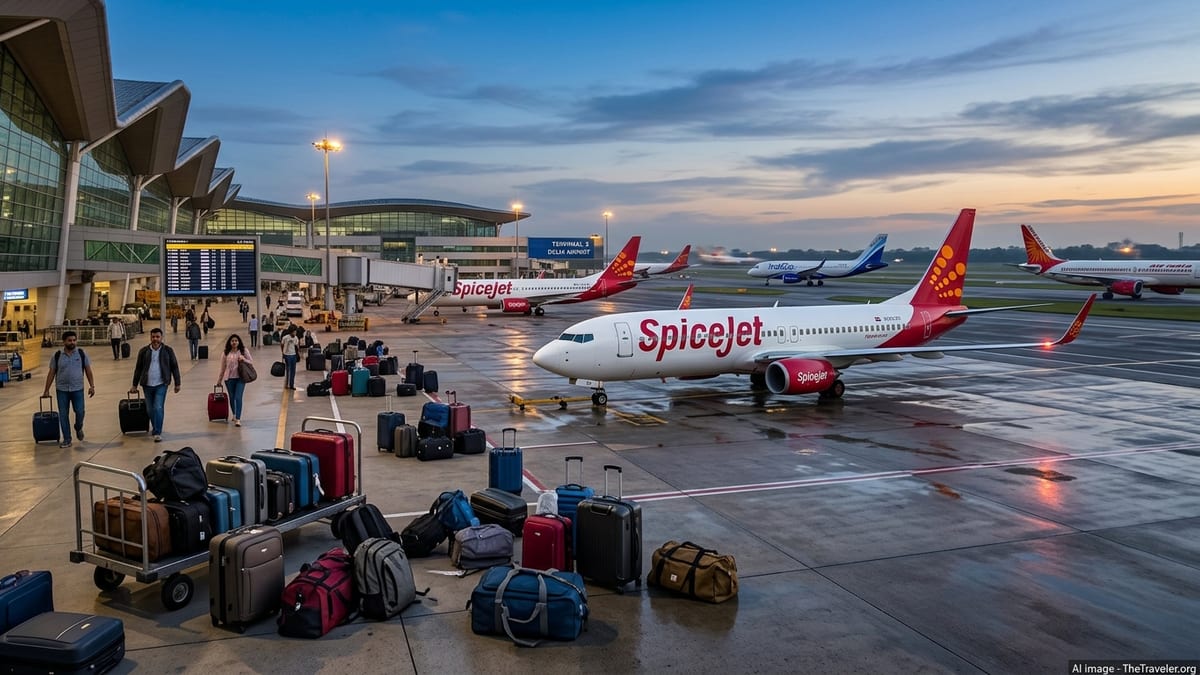
Show-cause notice follows severe disruption and cancellations
The Directorate General of Civil Aviation (DGCA) issued a formal show-cause notice to SpiceJet on 17 November 2026, citing widespread flight cancellations, delays and alleged regulatory violations. According to coverage based on the notice, the regulator has asked the airline to explain why its air operator certificate should not face restrictions in light of repeated operational lapses, including disruptions linked to delayed payments to vendors and airport operators.
DGCA traffic data for September 2026 show that SpiceJet’s domestic market share fell to 0.6 percent, down from 1.2 percent in August and around 4 percent at the start of 2026. Over the same period, its cancellation rate climbed well above the industry average, with some reports putting the airline’s September cancellation rate above 20 percent compared with about 1 percent systemwide. Although month-by-month figures vary slightly across analyses, the trend in the official statistics is consistent: a sharp contraction in SpiceJet’s operations accompanied by worsening service reliability.
The operational squeeze has intensified since September. Indian newspaper reports in late November, based on DGCA monitoring and airport schedules, say SpiceJet is now operating roughly 20 domestic flights a day and that its working fleet has fallen to about six or seven aircraft actually flying, out of several dozen on its books. That compares with more than 70 daily domestic departures at the start of the summer 2026 schedule. The regulator has given the airline seven days from the date of the notice to respond, after which it can decide on penalties or operating restrictions.
From mid-tier carrier to marginal player in seven years
SpiceJet was India’s second-largest low-cost carrier by domestic market share as recently as 2019, carrying about 15 percent of home-market passengers that year. DGCA data for March 2026 still showed the airline with around 3.8 percent of the domestic market. By September that share had shrunk to 0.6 percent, placing SpiceJet behind much smaller regional competitors and far below IndiGo, which carried more than 65 percent of domestic passengers in the same month, and the Air India group, which had about 27 percent.
The erosion in share reflects not just a shift in demand but a steep reduction in available capacity. Analysis of DGCA fleet registers and airline filings indicates that, while about 40 to 70 aircraft remain listed under SpiceJet’s permit, only a fraction are in regular service. A combination of lessor disputes, maintenance requirements and arrears-related groundings has progressively reduced the number of operational aircraft. Industry data compiled in October suggested the carrier was flying roughly a dozen aircraft; by late November, news reports indicate that fewer than ten are operating, with day-to-day fluctuations as individual airframes rotate in and out of service.
The airline’s financial statements over the last several years show recurring losses and rising liabilities, and SpiceJet has disclosed multiple settlement arrangements with suppliers, airports and lessors. More recently, it has highlighted plans for fresh capital raising. In a stock exchange filing on 18 November 2026, the company’s board approved a proposal to raise up to 55 billion rupees through a mix of equity and other instruments, subject to shareholder and regulatory approvals. That planned fundraising is intended to support working capital, fleet restoration and settlement of outstanding dues, but at this stage it remains an announced plan rather than completed financing.
Regulatory rules link domestic capacity to international rights
One specific trigger for heightened scrutiny is whether SpiceJet continues to meet the eligibility requirements for scheduled international services. Under India’s National Civil Aviation Policy 2016, the older “5/20 rule” was replaced by a system that allows any airline, regardless of age, to operate international routes provided it deploys at least 20 aircraft or 20 percent of its total capacity, whichever is higher, on domestic sectors. This formulation is reiterated in government communications and legal rulings that interpret the policy for airlines seeking or maintaining overseas traffic rights.
People familiar with the DGCA’s ongoing review say the regulator has concluded that SpiceJet no longer satisfies that minimum domestic deployment test, given the small number of aircraft actually flying its Indian network and the depth of cancellations in its published schedule. Several foreign aviation authorities have also conveyed concerns to the DGCA about SpiceJet’s ability to maintain reliable operations on routes into their jurisdictions, especially where repeated last-minute cancellations have left passengers stranded.
On paper, official DGCA fleet registers still list several dozen aircraft against SpiceJet’s scheduled operator permit, and the airline continues to hold slots at a number of international airports. But because the eligibility rule is based on capacity actually deployed in domestic service, not simply the number of registered aircraft, a shrinking active fleet can put those entitlements at risk. Any formal restriction on SpiceJet’s scheduled international operations would need to follow due process and, as of late November 2026, no public order grounding its overseas network has been issued. The current show-cause notice, however, explicitly questions whether the carrier satisfies the minimum fleet and deployment criteria.
Passenger impact and limited redress mechanisms
For travelers, the most visible effects of SpiceJet’s contraction have been abrupt cancellations, rolling delays and schedule thinning on routes where the airline was once a significant player. DGCA’s September 2026 statistics show that SpiceJet’s on-time performance at major airports lagged the industry average, and subsequent news coverage has highlighted days when the carrier operated only a handful of departures nationwide. Social media and consumer forums are filled with reports of passengers receiving late-night messages about next-morning cancellations, difficulties rebooking at comparable fares on other airlines and slow processing of refunds.
Under India’s Civil Aviation Requirements on passenger rights, airlines must provide specific forms of assistance and compensation when flights are cancelled or severely delayed for reasons within the carrier’s control, such as crew or operational issues. These obligations include options for full refunds or rebooking at no extra cost, and in some circumstances meals or hotel accommodation. However, enforcement still depends largely on passengers filing complaints with the airline and, if needed, escalating to the DGCA’s AirSewa platform or consumer courts. The regulator has the authority to levy penalties for non-compliance and can order airlines to honor compensation rules, but it does not routinely intervene in individual booking disputes unless patterns of violation emerge.
In parallel with the show-cause notice to SpiceJet, officials from the Ministry of Civil Aviation have said publicly in recent months that they are monitoring the airline’s financial health and operations. The ministry’s stated priority is to ensure passenger interests are protected and that disruptions on one carrier do not cascade into broader network instability. At the same time, authorities have not indicated any immediate move to place SpiceJet under formal insolvency or resolution proceedings, and tickets for many of its remaining flights are still available for sale through online travel agencies and the airline’s own channels. Travelers considering those options are effectively weighing lower fares and convenient timings against a heightened risk of late schedule changes.
What travelers should watch in the coming weeks
The DGCA’s current show-cause process is the most immediate regulatory milestone. SpiceJet has a limited period from mid November 2026 to respond with explanations, corrective actions and a plan to stabilize operations. After reviewing that response, the regulator can choose from a range of options, including financial penalties, caps on new bookings on certain routes, tighter monitoring conditions, partial suspension of international rights or, in an extreme scenario, a temporary curtailment of the airline’s operating permit. Any such decision would likely be announced publicly and reflected quickly in published schedules and booking systems.
Separately, the success or failure of SpiceJet’s proposed 55 billion rupee capital raise will influence how much of its grounded fleet can realistically return to service. If the airline secures new funding, it may be able to clear some overdue payments, finalize lease agreements for previously announced aircraft inductions and restore a more predictable timetable on core domestic and regional routes. If fundraising is delayed or falls short of the announced target, SpiceJet could face further pressure from lessors and airports, making additional cutbacks likely. At this stage, the capital plan remains an intention that will require investor commitments and regulatory clearances before any aircraft reactivations occur.
For passengers planning trips over the upcoming winter and early 2027 holiday periods, the practical advice from consumer advocates is consistent: check the operating carrier carefully at the time of booking, monitor flight status in the days before departure and build in extra buffers for critical connections if travel involves a SpiceJet segment. Where feasible, travelers may wish to favor itineraries on airlines that account for larger, more stable shares of DGCA’s domestic traffic statistics, particularly on routes where no alternative same-day options exist. Those who already hold SpiceJet tickets should keep documentation of any schedule changes and be prepared to invoke the compensation rules set out in India’s passenger rights charter if disruptions occur.